
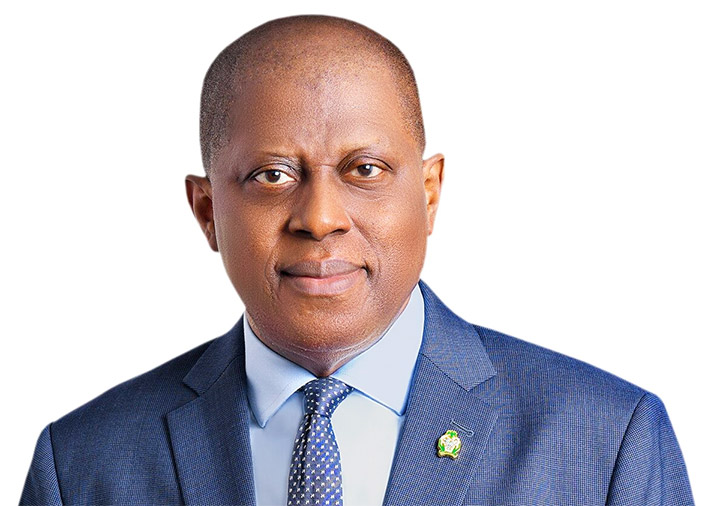
Central Bank of Nigeria Governor Olayemi Cardoso and World Trade Organisation Director-General Ngozi Okonjo-Iweala will lead high-level discussions on structural reforms at the seventh Africa Emerging Markets Forum in Abuja. Hosted at the apex bank’s headquarters this week, the summit brings together finance ministers, central bank governors, and development partners from across the continent. The two-day event holding between July 29 – 30, 2026, in Abuja, focuses on building continental resilience against mounting global economic fragmentation. Themed “Building Resilience Amidst Geoeconomic Uncertainties”, the headline fireside dialogue between the two figures will anchor the gathering.
Sustaining difficult market reforms amid rising inflation and volatile exchange rates forms the central theme of the event. The Nigerian central bank faces continuous pressure to stabilize the naira while managing elevated interest rates to tame persistent domestic prices. Okonjo-Iweala brings global trade expertise to address how developing economies can survive growing protectionism in Western markets. The dialogue will explore strategies for deepening regional trade under the African Continental Free Trade Area framework. Policy consistency remains essential for attracting long-term foreign investment.
Coordination between fiscal, monetary, and innovation policies will feature prominently during ministerial presentations. Finance Minister Taiwo Oyedele and Innovation Minister Kingsley Udeh are slated to present aligned strategies for macroeconomic stability and technology adoption. Misalignment between fiscal spending and monetary tightening routinely undermines economic recovery efforts in developing states. Central bankers can no longer manage domestic inflation without disciplined government expenditure alongside them. Coordinated action offers the only viable path to macroeconomic balance.
Global financial leaders, including World Bank Chief Economist Indermit Gill, will join regional experts to evaluate external economic risks. Emerging markets across Africa face rising debt servicing costs as global interest rates remain structurally elevated. Food price volatility and climate-driven supply disruptions continue to threaten local living standards. The conference aims to deliver practical policy frameworks rather than abstract theoretical debates. Delegations must outline actionable steps to buffer local financial systems against external shocks.
The summit provides Abuja an important platform to defend its painful domestic economic adjustments before an international audience. President Bola Tinubu’s aggressive market reforms have squeezed household budgets while seeking long-term fiscal solvency. Demonstrating technical alignment with global institutions like the WTO and World Bank helps build international credibility. Yet local citizens judge economic policy by purchasing power rather than diplomatic applause in Abuja. Practical relief must follow grand economic design.