
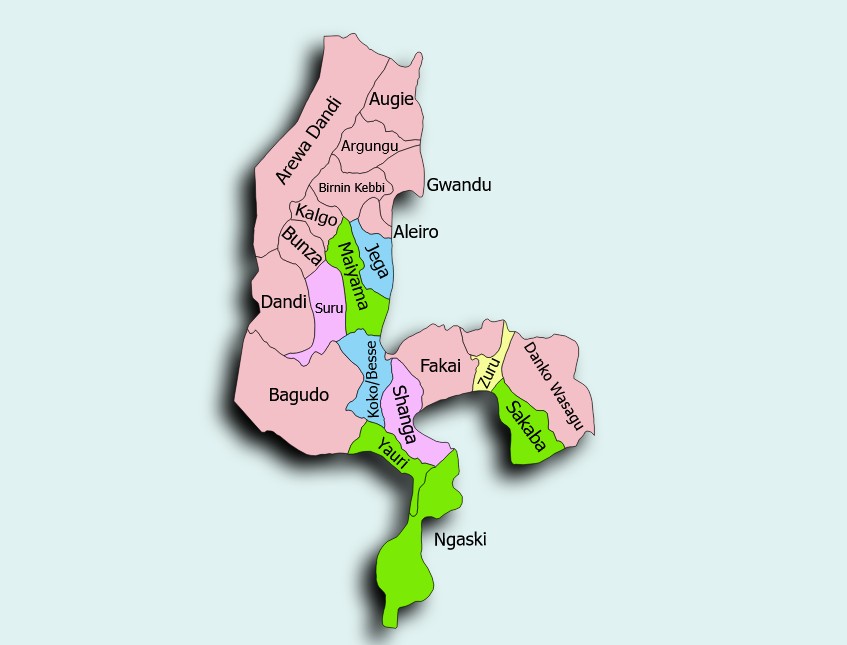
Suspected bandits have abducted Kebbi State High Court Judge Faruku Hassan Bunza from his home in Bunza Local Government Area. The armed gang struck around midnight on Sunday, shortly after the jurist returned from a trip to neighboring Sokoto State. Attackers invaded his residence along Zogirma Road, firing shots into the air before whisking him away into nearby forest cover. Police confirmed that no other members of the household suffered physical harm during the midnight raid. The daring assault highlights the persistent insecurity haunting Nigeria’s North-West region.
Tactical and intelligence units are currently combing surrounding forest tracks in a desperate bid to rescue the magistrate alive. Kebbi State Police Commissioner Umar Hadejia immediately ordered a multi-agency manhunt across identified border corridors following the midnight report. Police spokesperson Bashir Usman stated that operational teams continue to track the abductors through remote bush paths. Family members and judicial colleagues have appealed for urgent action from federal security leaders. Security personnel face enormous pressure to deliver immediate results.
The targeted snatching underlines a dangerous shift in bandit tactics toward high-profile state officials. Judicial officers across rural northern states operate with minimal state protection despite handling sensitive criminal and civil cases. Targeted abductions of prominent figures provide armed syndicates with leverage against state authorities and lucrative ransom opportunities. Striking a senior member of the bench in his own home weakens public trust in state security. Law enforcement agencies struggle to defend key institutions against rural gang violence.
The abduction adds to a grim sequence of security failures burdening the North-West zone. Rural communities across Kebbi, Sokoto, and Zamfara remain trapped between armed syndicates and inadequate state defenses. The inability to safeguard judicial figures threatens the functional independence of local court systems. Judges cannot deliver impartial rulings while operating under constant threat of violence or kidnapping. State governments must rethink security arrangements for judicial staff immediately.
Federal authorities must move beyond reactive deployment strategies if they hope to secure the region. Deploying search parties after major abductions fails to address the deep structural vacuum in rural policing. Effective intelligence networks and permanent security outposts along critical transport routes offer the only real protection against rural gangs. Until the state reclaims territorial control over remote borderlands, no public official remains truly safe in their own home.