
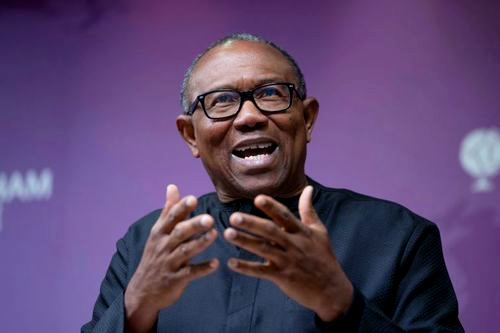
Labour Party presidential candidate Peter Obi has promised to sell off the majority of Nigeria’s presidential air fleet to curb wasteful state spending. Speaking at a political gathering, Obi declared that maintaining over ten luxury aircraft during an economic crisis remains an unpardonable waste of public funds. He argued that the funds saved from maintaining the fleet will directly support primary healthcare and basic education for the poorest citizens. The proposal directly attacks the deep-rooted culture of official extravagance in Abuja political circles. High governance costs continue to drain federal resources needed for public infrastructure. Public frustration grows as citizens shoulder severe economic hardship while politicians travel in extreme luxury.
Nigeria currently operates one of the largest official air fleets on the African continent. Annual maintenance contracts and crew allowances cost taxpayers billions of naira every single year. Obi promised to reduce the fleet to two functional aircraft for essential state duties. Commercial flights will carry senior officials for routine foreign travels and international summits. Simple logistical reform can save massive capital across government ministries. Fiscal discipline requires hard choices from the very top.
The ruling administration recently drew sharp criticism after purchasing a new presidential jet amidst soaring inflation. Government defenders insist executive travel assets are necessary to protect state security and national dignity. Opposition strategists argue that acquiring new jets during economic distress reveals a total disconnection from everyday realities. The contrast gives Obi a powerful talking point among voters struggling with rising food prices. Voters increasingly judge political candidates on their willingness to trim personal privileges. Symbolic cuts often signal broader administrative discipline.
Critics note that previous leaders made similar promises during campaigns only to abandon them once in office. Bureaucratic resistance inside the federal civil service routinely undermines ambitious spending cuts. Powerful civil servants and political appointees fiercely defend lucrative perks and official privileges. Obi must build a strong legislative coalition in the National Assembly to enforce systemic budget cuts. Executive promises quickly hit institutional brick walls in Nigeria’s complex political structure. Talk remains cheap without legislative muscle.
The Nigerian economy faces severe fiscal pressure from mounting public debt and declining revenue. Foreign investors view high government overhead as a major red flag for fiscal sustainability. Slashing non-essential executive expenditure would send a strong signal to international credit rating agencies. Reduced overhead frees up essential credit for private sector investment and job creation. Fiscal reform must extend far beyond the presidential fleet to yield lasting macroeconomic stability. Rebuilding market trust requires comprehensive structural reforms.
Obi’s focus on government waste anchors his broader populist platform ahead of the next electoral contest. Rival political parties now face mounting pressure to produce their own cost-cutting blueprints. The debate over official extravagance will likely dominate the upcoming election campaign debates. Ordinary Nigerians expect their leaders to share in the economic sacrifices required for recovery. Victory will belong to the candidate who convinces voters that reform is genuine. Political credibility now hinges on personal frugality.