
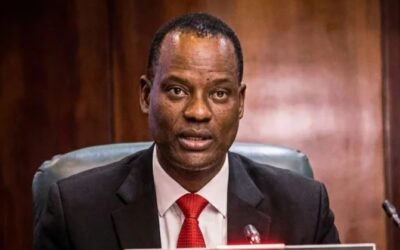

Tinubu Diverts Recovered Loot to Student Loans

President Bola Tinubu has directed anti-graft agencies and financial regulators to redirect recovered illicit funds and unclaimed corporate dividends directly into the Nigerian Education Loan Fund. The fiscal intervention channels 50 billion naira in criminal forfeiture proceeds from the Economic and Financial Crimes Commission straight to student accounts. Presidency aides framed the move as an urgent social safety net to cushion harsh macroeconomic headwinds. Higher education costs have surged following tuition hikes across federal and state universities. The administration hopes cheap tuition credit will quiet mounting youth anger over living costs. Desperate times demand novel cash pipelines.
Diverting criminal recoveries into tuition lending highlights the government’s widening revenue crunch. Traditional budget appropriations cannot keep pace with soaring tertiary education funding demands. Plundering unclaimed private dividend balances raises thorny legal and property rights questions across the capital market. Equity investors have long resisted state attempts to seize idle investment yields. Yet the presidency views these idle corporate billions as fair game during fiscal emergencies. The state takes cash where it finds it.
The student loan board has struggled with administrative bottlenecks and disbursement disputes across campuses. University administrators face intense scrutiny over allegations of delayed fee refunds and duplicate billing against registered loan beneficiaries. The anti-graft agency now finds itself in the strange role of both donor and debt monitor. Agency investigators must audit campus bursaries to prevent unscrupulous university registrars from siphoning public credit. Pouring fresh billions into broken university accounting systems invites obvious leakage. Unchecked bureaucracy swallows well-intentioned public funds easily.
Tuition loans solve only one half of the wider higher education crisis. Federal universities remain plagued by erratic power, decrepit laboratory gear, and severe faculty shortages. Cash loans ensure indigent students sit in classrooms, but they cannot improve the quality of classroom instruction. Lecturers still threaten industrial strikes over decaying working terms and unpaid statutory allowances. Subsidising student fees without upgrading university infrastructure delivers very poor academic value. Cheap degrees mean little in a stagnant job market.
The recovery mechanism also exposes deep institutional flaws in Nigeria’s asset forfeiture regime. Federal agencies hold trillions in forfeited real estate and liquid assets without transparent public accounting registers. State officials announce ad-hoc cash transfers to pet social programmes without clear statutory appropriation frameworks. Diverting seized assets on presidential discretion bypasses standard parliamentary budget scrutiny. Transparency requires clear rules rather than sudden executive decrees. Institutional discipline protects public money far better than improvisation.
The student loan scheme will ultimately live or die by its loan recovery numbers. Millions of university graduates enter an economy where youth unemployment and underemployment stay punishingly high. Indigent beneficiaries who cannot find formal work will default on state repayments in droves. Turning recovered loot into unsecured student credit creates an enormous contingent liability for future national balance sheets. State planners are gambling heavily on future job growth. Time will test this fiscal wager.