
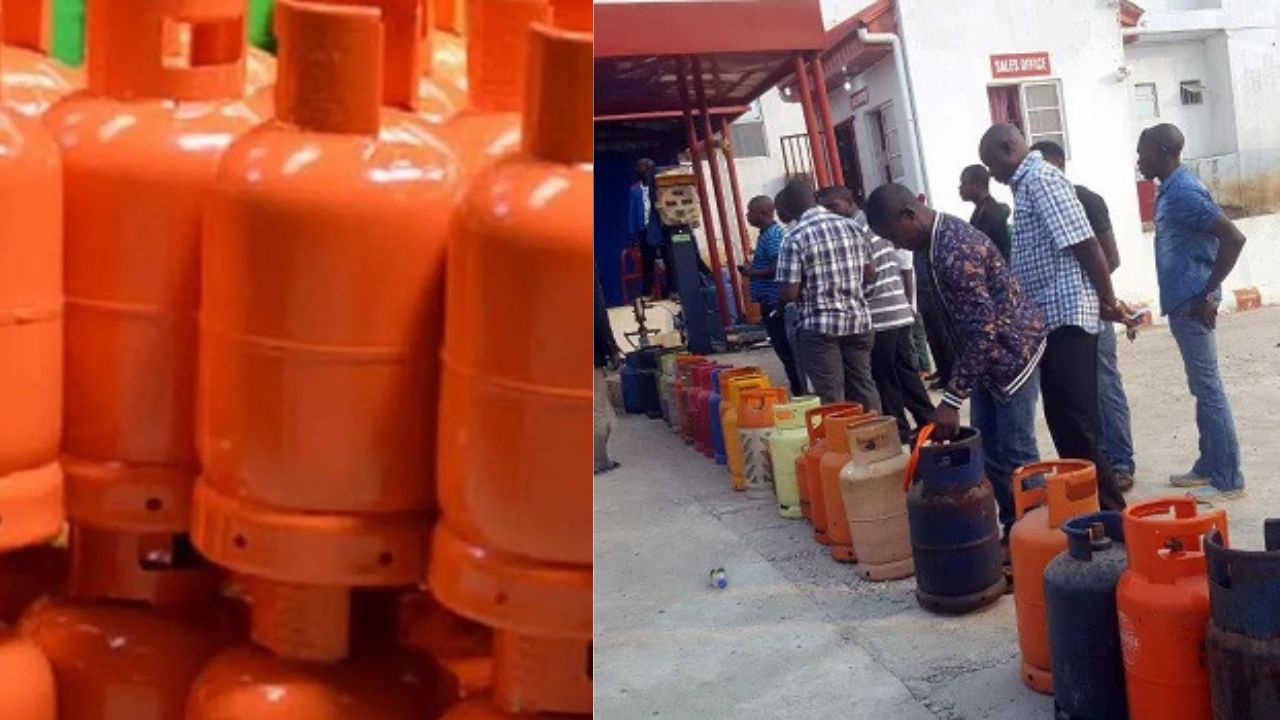
The Nigerian Association of Liquefied Petroleum Gas Marketers raised the alarm on Monday over a severe supply squeeze that pushed retail cooking gas prices above N1,500 per kilogramme. The commodity recently traded under N1,000 before worsening depot bottlenecks disrupted the domestic supply chain. Depot operators have hiked bulk pricing to between N25.2 million and N26.2 million for a twenty-metric-tonne load. Marketers warn that the sharp spike will trigger widespread product scarcity and compound severe financial pressure on millions of households. Some independent retail dealers across distant locations are already selling the essential fuel for up to N2,000 per kilogramme.
The current price surge seriously erodes the substantial progress achieved through federal clean energy transition programmes. For years, economic planners heavily promoted gas adoption to shift vulnerable families away from dirty biomass alternatives. The sudden affordability crisis means low-income families are rapidly abandoning their cylinders to return to charcoal and firewood. This mass regression poses severe health and environmental hazards while threatening to completely derail national emission reduction targets. Small retail food vendors are similarly facing immediate closure as utility costs outpace average daily revenues.
Marketers attribute the market dislocation to persistent supply deficits, exorbitant depot charges, and high operational costs. Major coastal terminals in Lagos are reportedly dry, with Navgas on the mainland operating as the sole depot with active loading stock. This extreme concentration has allowed depot middlemen to manipulate prices through aggressive markups before the product reaches independent retailers. The supply crisis intensifies existing structural imbalances that leave the domestic market highly vulnerable to sudden distribution shocks. The trade association insists that the current market pricing reflects artificial greed rather than actual global product scarcity.
The immediate crisis underlines Nigeria’s uncomfortable systemic dependence on complex international trade structures for its domestic gas consumption. Local demand has expanded significantly from historical baselines to peak near 2 million metric tonnes annually. However, domestic processing infrastructure routinely fails to satisfy this massive consumption surge, forcing the market to import over 60 percent of its volumes. This structural deficit exposes local retail pricing to constant foreign exchange volatility and international maritime logistics bottlenecks. Even with large domestic facilities like the Dangote Refinery producing liquefied gas, local supply lines lack the total capacity to isolate the economy from imported pricing dynamics.
The gas marketers’ association made a passionate appeal for urgent intervention from the Ministry of Petroleum Resources and regulatory bodies. The group demands a transparent redistribution strategy and an immediate increase in domestic product allocations to stabilize the market. Regulators must also eliminate administrative bottlenecks hindering the clearance of gas vessels at primary ports. Marketers warn that failure to implement immediate price-stabilisation measures could provoke public anger against filling station owners. For now, consumers must endure exorbitant retail costs while the government struggles to enforce regulatory sanity across independent depots.