
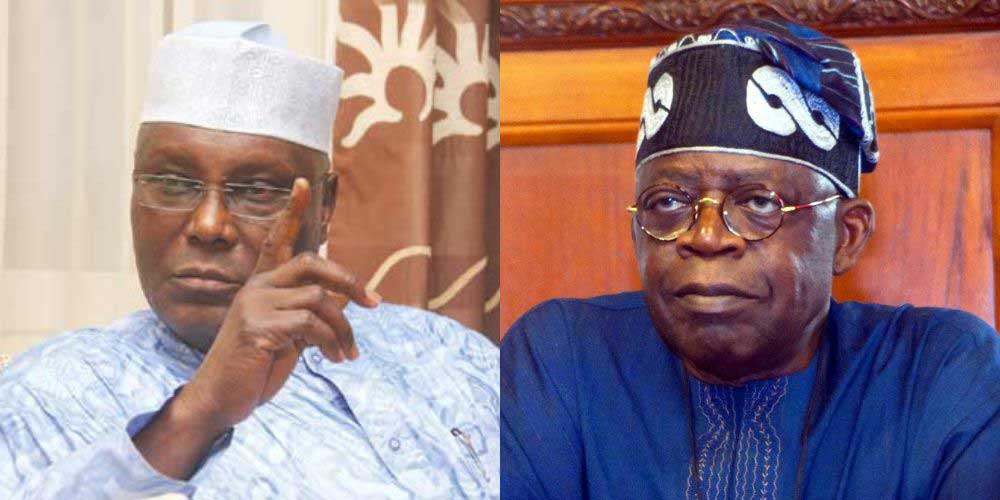
Former Vice President Atiku Abubakar has demanded that President Bola Tinubu account for trillions of naira sunk into state-owned refineries. The opposition leader told the president to stop blaming Muhammadu Buhari for Nigeria’s chronic fuel refining failures. Financial records show obligations for the Port Harcourt, Warri, and Kaduna refineries surged from 4.52 trillion naira in 2023 to 8.67 trillion naira by late 2024. That represents a jump of roughly 4.15 trillion naira in a single year. State officials spent this fortune without delivering a steady drop of domestic petrol. Public money continues to vanish into idle machinery.
The political opposition smells blood in the state oil company’s contradictory statements. State handlers previously claimed that the Port Harcourt facility had resumed refining at 70 percent capacity in late 2024. The presidency then paraded that announcement as a central triumph of its economic programme. Today, the state oil firm admits that these same plants operate at a monumental loss. Atiku seized on that reversal to label the entire enterprise an unforgivable stewardship failure. State spin cannot conceal broken promises.
Pouring public funds into broken state infrastructure extracts a heavy price from ordinary citizens. A sum of four trillion naira could build regional power plants and re-equip crumbling public hospitals. It could fund dry-season irrigation schemes and fix dangerous federal trunk roads. Instead, the treasury continues to subsidise bureaucratic decay and idle plant staff. Nigerians continue to pay steep prices for imported fuel at local filling stations. Cheap domestic fuel remains a cruel mirage.
The government’s defensive line relies on blaming inherited decay from previous administrations. Officials often point to decades of corruption and sloppy turnaround contracts under earlier leaders. Yet Tinubu took office promising bold market solutions and prompt operational turnarounds. He has now overseen two full fiscal cycles without privatising the dilapidated assets or fixing them. Shifting blame to predecessors wears thin when new debts mount. Voters expect performance, not historical lectures.
The debate exposes a deeper rot inside the Nigerian National Petroleum Company. Decades of turnaround maintenance contracts have enriched well-connected contractors without restoring actual refining capacity. State managers continue to collect full salaries while running plants that produce zero commercial petrol. Private players in the domestic refining market now expose the state company’s operational shortcomings. Commercial discipline separates serious industrial ventures from bureaucratic waste. The market rewards output, not political patronage.
Abuja must decide whether to sell these state assets or keep funding bottomless balance-sheet liabilities. Opposition leaders will keep weaponising these financial black holes as the next general election approaches. The presidency cannot preach fiscal belt-tightening to hungry citizens while pouring trillions into derelict boilers. Real fiscal discipline requires cutting off deadweight state enterprises immediately. The public deserves transparent accounts, not endless excuses. Time has run out for political hand-wringing.