
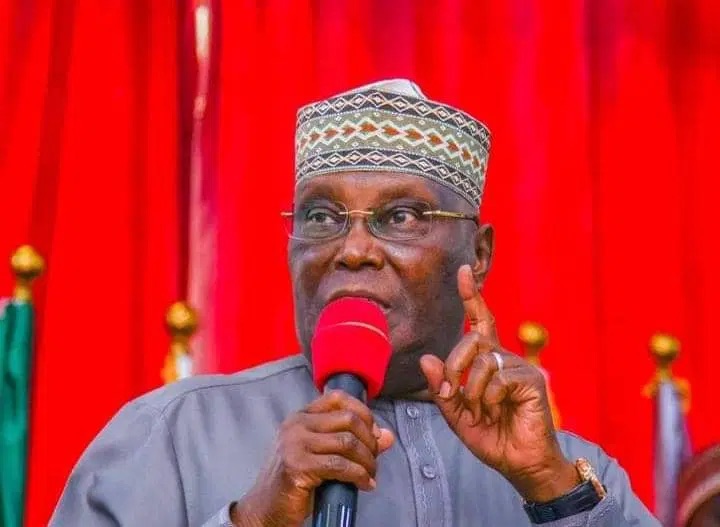
Former Vice President Atiku Abubakar has launched a blistering critique of President Bola Tinubu’s economic claims, insisting official statistics conceal widespread hardship. In a statement issued by his media aide Phrank Shaibu, the opposition leader argued that the macroeconomic recovery narrative collapses in the face of shuttered factories and hollowed-out family budgets. Polished charts do not feed hungry citizens. Atiku pointed out that real economic health shows in factory activity and purchasing power, both of which are steadily failing across the federation.
Data from the Manufacturers Association of Nigeria provides hard evidence for Atiku’s indictment. Over seven hundred manufacturing firms have closed their gates completely, while hundreds more operate under severe financial strain. Local producers currently hold over two trillion naira in unsold finished goods because ordinary families can no longer afford basic commodities. High interest rates continue to strangle private enterprise. When domestic factories stop producing, official tales of economic progress ring hollow.
The opposition leader also poked holes in the administration’s debt management claims. Government officials argue that savings from fuel subsidy removal are paying off inherited liabilities and restructuring public finances. Yet figures from the Central Bank show government borrowing through apex bank advances actually surged by over seventy per cent within a single year. Restructuring debt labels differs sharply from actually paying off loans. High inflation continues to erode wages faster than ministers can draft defensive press releases.
Atiku equally dismissed claims that subsidy savings directly fund social safety nets and worker welfare. Key components of promised wage adjustments remain unpaid across several federal cadres despite official launch dates. Meanwhile, promised student loan funds relied heavily on seized asset recoveries rather than fresh budgetary allocations from subsidy gains. Paper commitments mean little to workers struggling with tripled transport fares and soaring food costs. The administration’s promises outpace its actual delivery.
The sharp public exchange reflects a wider battle over the narrative of Nigeria’s structural reforms. The administration maintains that painful market corrections remain necessary to stabilise public balance sheets and attract long-term investment. Opposition figures contend that uncoordinated policy moves have simply destroyed the middle class without fixing underlying productivity. Managing an economy requires practical industrial policy, not endless public relations spin. As living costs mount, official optimism faces growing public skepticism.
This political friction will define the runway to the next general election. Atiku’s critique attempts to turn widespread consumer frustration into a coherent economic alternative. His intervention signals that opposition strategy will target the administration’s core reform claims. Political rhetoric cannot substitute for genuine industrial output and price stability. Nigeria’s voters will ultimately judge the current administration by the price of food in the market, not quarterly economic updates.