
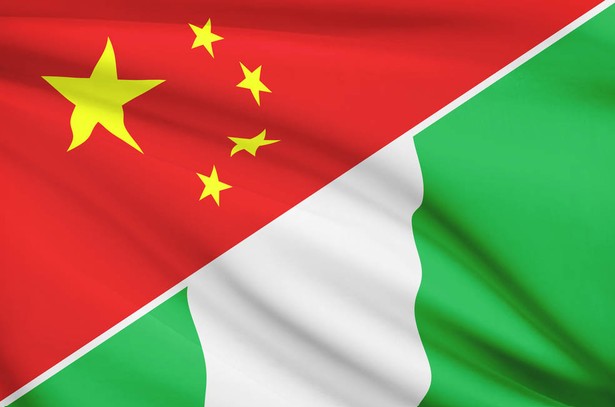
Nigeria and China agreed to deepen tourism cooperation during high-level bilateral talks in Beijing over the weekend. The Nigerian Tourism Development Authority and the China Tourism Academy sealed the pact to draw more Chinese travellers to West Africa. NTDA Director-General Ola Awakan pitched a structured China-Nigeria Tourism Market Development Programme to study Chinese traveller habits directly. The initiative seeks to tailor Nigerian destinations to Asian holidaymakers while drawing Chinese capital into local hospitality assets. In response, China Tourism Academy President Dai Bin pledged institutional backing but bluntly noted that Nigeria suffers from poor visibility across China. Dai stressed that Beijing operators and ordinary citizens know little about Nigerian sites. Courting holidaymakers requires more than official handshakes. Good intentions rarely replace basic brand recognition.
Awakan framed the partnership as a pillar of President Bola Tinubu’s campaign to diversify state revenues away from crude oil. The authority wants technical cooperation in data collection, destination management, and institutional standards to overhaul its leisure industry. Nigerian planners hope Chinese hotel chains, tour operators, and entertainment firms will fund infrastructure projects across coastal and historic hubs. Yet Chinese leisure capital tends to follow established, well-policed routes across Southeast Asia, Europe, and East Africa. Nigeria has struggled for decades to convert its cultural assets into steady foreign exchange receipts. High travel costs, complicated visa processes, and domestic security concerns continue to deter casual foreign visitors. Attracting Asian holidaymakers to West Africa will test bureaucratic competence. Words at banquets rarely overcome commercial friction.
Dai highlighted Nigeria’s deep cultural and historical endowments while identifying the core barrier facing the initiative. Chinese consumers view Africa primarily through the lens of Kenya’s wildlife safaris or Egypt’s ancient monuments. Nigeria barely registers on commercial booking engines in Shanghai or Guangzhou. To bridge that gap, both parties agreed to explore setting up a Nigerian International Tourism Promotion Centre in China. The proposed centre would market Nigerian holiday spots directly to Chinese travel agencies and prospective visitors. It would also help Nigerian tour operators decode the complex mobile booking habits of middle-class Chinese tourists. Pitching holiday packages in Asia requires sophisticated digital campaigns on local platforms like WeChat and Douyin. Marketing materials must persuade cautious travellers to look past negative headlines. Visibility remains the primary commercial hurdle.
The meeting also drew senior technical figures, including Yang Jinsong, who directs international exchange and finance at the Chinese academy. Both delegations endorsed student exchanges, vocational training courses, and joint business forums to build professional capacity among Nigerian operators. Awakan joined the talks as part of a wider working visit to China that included a seminar run by the Chinese Ministry of Commerce. That gathering addressed climate action and sustainable development goals for developing states. Nigerian tourism officials want to adapt China’s domestic holiday boom into a template for national job creation. China lifted hundreds of millions of citizens into domestic holiday travel through massive state investments in high-speed rail and national parks. Nigeria lacks similar transport networks to move foreign visitors between regional cultural sites. Structural realities complicate fast institutional imitation.
The push to court Chinese tourists follows an earlier diplomatic gathering in Abuja that brought together embassy officials and hospitality administrators. Chinese Embassy Counsellor Yang Jianxing noted that tourism acts as a cultural bridge, but domestic specialists cautioned against copying foreign models without adjustments. Abisoye Fagade, head of the National Institute for Hospitality and Tourism, previously warned that Nigeria must tailor foreign lessons to domestic conditions. Local leisure businesses battle expensive diesel generators, double-digit borrowing rates, and erratic water supplies. Foreign visitors expect reliable power grids, clean transit corridors, and predictable flight schedules between state capitals. Without dependable basic utilities, even the most aggressive foreign marketing campaigns will falter upon arrival. Hospitality begins with functional local infrastructure.
Nigeria’s diplomatic pivot to China reflects broader economic necessities across the Global South. Bilateral trade between both nations previously hit fourteen billion dollars, yet the exchange remains heavily skewed toward Chinese manufactured imports. Tourism offers a theoretical channel to generate service-sector jobs and capture direct consumer spending from Asia. The global Chinese outbound tourism market generates hundreds of billions of dollars annually, but African destinations capture less than three per cent of that spending. Kenya, South Africa, and Morocco capture the lion’s share of those visitors through targeted marketing and simplified entry rules. Nigeria must build competitive tour packages if it hopes to win a fraction of that trade. Global tourists have dozens of easier options across the globe. Success demands relentless attention to detail.
Signing promotional agreements in Beijing marks an easy preliminary step on a long, arduous road. The hard work begins at home, where immigration desks, domestic airlines, and state police commands must overhaul the foreign visitor experience. If visitors encounter extortion at international airports or security roadblocks along transit routes, word-of-mouth reviews will destroy future bookings. Establishing a promotion bureau in Beijing will help introduce Nigerian culture to Chinese travel agents. The NTDA must now ensure that domestic destinations can deliver on the promises made in Chinese brochures. Until Nigeria fixes basic transport links and urban security, the Asian travel wave will remain out of reach. Delivering tourists requires safe roads and clean airports, not merely polite communiques.