
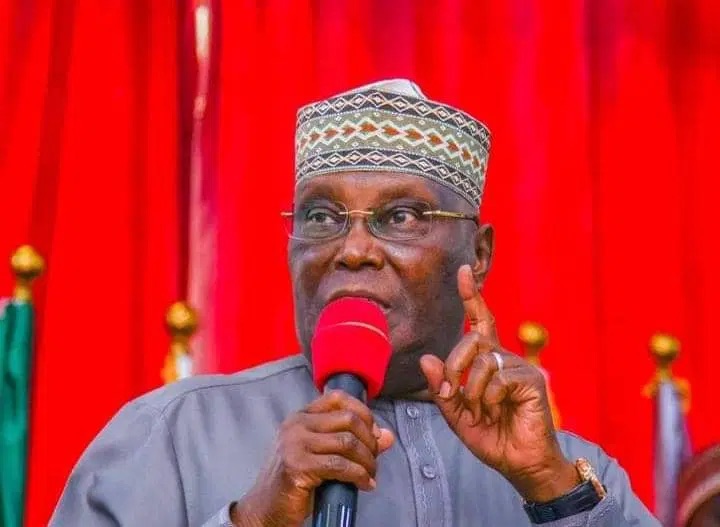
Former Vice President Atiku Abubakar has described the Osun State governorship election as a clear dress rehearsal for the 2027 presidential contest. The opposition leader warned that the conduct of the state poll will reveal whether democratic institutions can resist executive interference. Voters in the south-western state went to the polls amid tight security and fierce partisan rivalry. Atiku insists that citizens are growing increasingly impatient with economic hardship across the federation. He argued that Osun voters hold the power to deliver an early verdict on federal policies. Osun offers a testing ground for 2027.
The contest carries high political stakes for President Bola Tinubu and the All Progressives Congress in their regional base. Losing grip of Osun would dent the ruling party’s claim of undisputed dominance in the South West. Governor Ademola Adeleke fought hard to defend his seat against aggressive federal campaign machinery. Local party loyalists turned out in large numbers to protect their ballots from suspected political thugs. The opposition views every ballot box as a frontline in a larger national struggle. Regional dominance is no longer guaranteed.
Atiku took direct aim at the security agencies and the electoral commission over their conduct during off-cycle elections. He cautioned that partisan policing and flawed electronic transmission systems would destroy public trust ahead of the general elections. Security forces faced intense public scrutiny following pre-election arrests and claims of voter suppression across contested wards. Civil society groups reported isolated incidents of vote buying and late arrival of polling materials in rural communities. The electoral umpire must prove its technical systems can withstand high-stakes political pressure. Broken trust will doom future elections.
Economic pain has reshaped voter behaviour and sharpened grassroots anger against the political establishment. Soaring food prices and relentless fuel hikes have eroded household incomes in both urban centres and rural towns. The opposition hopes to channel this widespread domestic frustration into a decisive rejection of the ruling party. Turning public misery into disciplined electoral victory requires more than angry campaign speeches. Opposition parties often splinter their own voting blocs through petty internal power struggles. Fragmented challengers rarely unseat entrenched incumbents.
The battle for Osun exposes the evolving dynamics within Nigeria’s fragmented opposition coalitions. Atiku continues to position himself as the natural leader of a broad anti-establishment alliance ahead of the next national poll. Rival opposition figures still eye the top prize, making total unity difficult to achieve before party primaries. The ruling party relies on federal resources and incumbency muscle to maintain its grip on power. Both camps know that early momentum dictates donor confidence and political defections. Campaign cash follows political momentum.
The final result in Osun will send immediate tremors through party secretariats across Abuja and state capitals. A clean, credible ballot would give long-suffering citizens renewed hope in the democratic process. A compromised exercise will only deepen political cynicism and drive voters further away from polling booths. Nigerian democracy cannot survive endless electoral malpractice and heavy-handed security operations. Political leaders must learn that state power ultimately flows from the sovereign consent of the governed. The road to 2027 runs through Osun.