
Fresh court documents show Nigeria’s anti-graft agency secretly froze three Osun State government accounts rather than the single bank facility it publicly acknowledged. The Economic and Financial Crimes Commission obtained a sweeping ex parte court order in Abuja on August 5th to lock down state money. Investigator affidavits targeted both the state’s primary federal allocation account and two separate local government joint accounts. Investigators claimed they acted to stop the diversion of eleven billion naira in public funds and money laundering. The sweeping freeze hit state coffers just ten days before a tense governorship election. Federal sleuths chose secrecy over public disclosure.
Ex parte filings reveal that Justice Mohammed Umar granted the order to block accounts across two commercial banks. The court directive locked a First Bank allocation account along with two Zenith Bank joint accounts. Anti-graft officials initially hid the full scope of their legal manoeuvre from the public. Agency spokesman Wilson Uwujaren even told reporters on television that officers imposed account restrictions without a court order. Public statements from the commission referenced only a single account at First Bank. Bureaucratic contradictions quickly wrecked the official narrative.
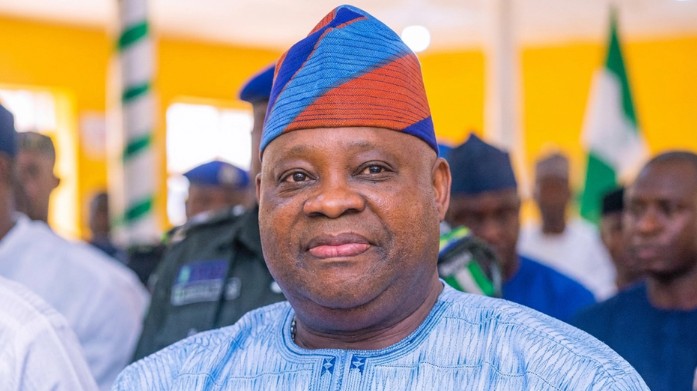
Political optics surrounding the sudden financial freeze sparked fierce outrage across the state. Incumbent Governor Ademola Adeleke faces a tight re-election contest against the candidate of the ruling national party. Opponents accused federal authorities of deploying state security machinery to cripple the opposition’s campaign finances. Freezing municipal allocation accounts threatened to freeze civil service pay and local administrative operations overnight. Critical timing raised sharp questions about agency independence. Public backlash forced swift political moves in Abuja.
President Bola Tinubu moved quickly to distance the central government from the controversial legal action. The president issued a signed statement describing the ill-timed account freeze as deeply embarrassing to his administration. He called Governor Adeleke directly to confirm that federal authorities would reverse the financial restrictions. Executive orders instructed commission lawyers to return to court immediately and vacate the ex parte order. Presidential aides feared voter anger over partisan meddling. High political risk demanded an immediate executive retreat.
Commission chairman Ola Olukoyede now faces intense pressure from civil groups and political leaders. Legal experts argue that investigators acted within statutory powers despite the dreadful political timing. Senior lawyers noted that federal statutes allow investigators to seek temporary freezes during active fraud probes. Political rivals insist the chairman lost credibility by allowing his agency to interfere in local elections. Selectively timed probes destroy public trust in justice. Institutional credibility remains severely damaged after this blunder.
Concealing the full extent of the court order deepened suspicions of legal clumsiness inside the agency. Officials failed to explain why their public statements omitted the two joint municipal accounts at Zenith Bank. Selective disclosure suggests the anti-graft body attempted to minimize fallout from an aggressive financial embargo. Managing public communications poorly damages state institutions just as much as political interference. Regulatory power demands complete transparency from law enforcement. State sleuths must learn to respect democratic boundaries.