
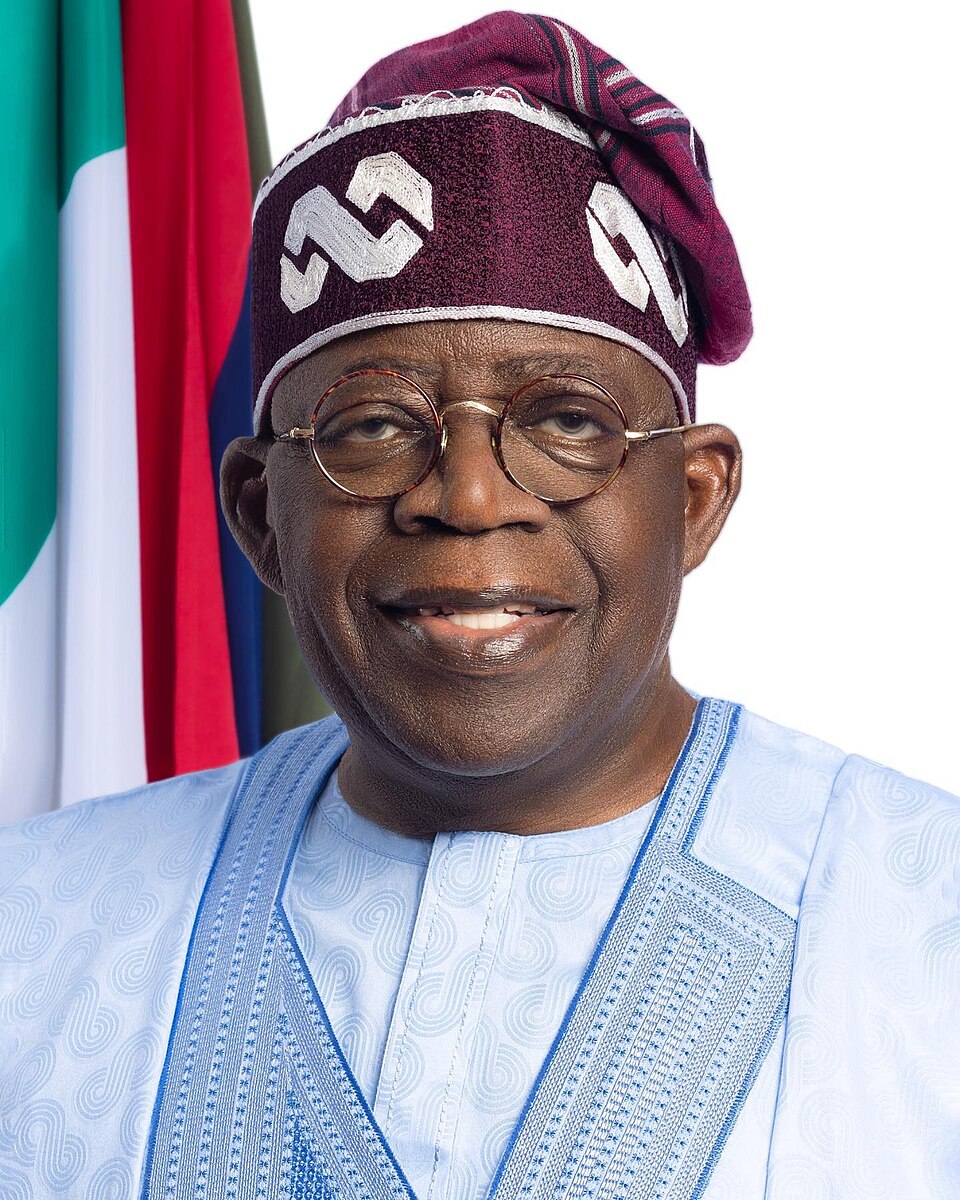
President Bola Tinubu secured his place on the 2027 presidential ballot by winning the All Progressives Congress nationwide direct primary election with 10.99 million votes. The National Primary Election Committee announced the landslide victory after counting ballots across the thirty-six states and the Federal Capital Territory. The incumbent comprehensively defeated his sole internal challenger, Stanley Osifo, who polled a meager 16,504 votes. This decisive intra-party victory effectively crushes alternative factions within the ruling party looking to replace the president. It guarantees Tinubu the institutional platform required to defend his presidency at the upcoming general polls.
The sweeping primary outcome relies heavily on coordinated endorsements from thirty-one state governors aligned with the ruling party structure. These powerful regional executives successfully mobilized local party machineries to deliver the massive multi-million vote tally at the designated voting centres. The united front marks a significant consolidation of political authority around the incumbent administration. Internal party critics had previously suggested that regional leaders were privately fracturing over the president’s contentious economic reforms. This public show of arithmetic force signals absolute structural control over the party’s grassroots base.
The direct primary model allowed registered party members to vote directly for their preferred candidate at the ward level, bypassing the traditional delegate system. This widespread participation format provides the presidency with a strong democratic mandate to dismiss mounting opposition challenges. Political strategists view the massive turnout as a deliberate dress rehearsal for the main general election campaign next year. By demonstrating total control over the party machinery, Tinubu has effectively warned potential defectors against challenging his authority. The sheer scale of the victory leaves little room for standard post-election litigation from the defeated challenger.
The internal coronation occurs amidst deepening national anxiety over the administration’s painful fiscal policies. Persistent currency depreciation and soaring food inflation continue to inflict severe economic hardship on average citizens across the federation. Opposition coalitions are already using these economic vulnerabilities to build a formidable anti-Tinubu alliance ahead of 2027. Despite the massive primary numbers, independent analysts warn that general election voters will prove far less compliant than loyal party members. The president must translate this internal political dominance into tangible economic relief if he wishes to duplicate this success at the national polls.
The administration will now redirect its focus toward reconciling remaining internal party grievances and managing strategic appointments. Party leaders are eager to maintain this superficial harmony to prevent opposition poachers from raiding their regional strongholds. Attention will shift to selecting a stable vice-presidential running mate and drafting the updated campaign manifesto. While the primary victory provides a vital political cushion, it offers no permanent insulation against the volatile general electorate. For now, the ruling party has made its definitive choice, leaving the president to face an increasingly hostile broader public.