
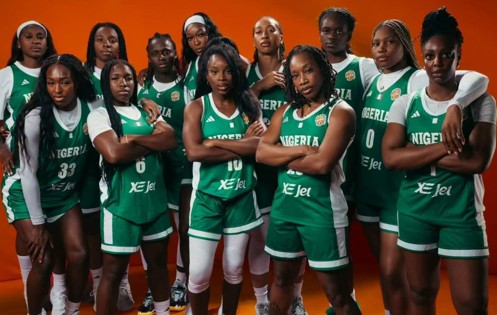
Nigeria settled its long-standing financial pledge to D’Tigress on Wednesday, 9 September 2026, crediting the bank accounts of every squad member with the naira equivalent of $100,000. Kehinde Ajayi, the director of information at the National Sports Commission, confirmed the wire transfers, adding that team officials collected $50,000 each in local currency. The payout honours a presidential pledge made after the women secured their fifth consecutive FIBA Afrobasket crown in 2025. That continental victory marked their seventh title overall and confirmed their absolute reign over African basketball. Recipients verified the arrival of the funds on their bank ledgers within hours. The money comes more than a year after the final whistle blew in Abidjan. State gratitude in Abuja arrives slowly, but it eventually clears the banking system. State cheques take time to clear.
The cash deposits close out a multi-part reward package designed by President Bola Tinubu to celebrate the historic African championship run. The full package combined hard currency, real estate assets, and state decorations. The athletes previously received title deeds to three-bedroom flats in Abuja alongside Officer of the Order of the Niger medals. Senior civil servants delivered those land documents to the players in Lyon during the FIBA World Cup qualifying series in February 2026. Tinubu affixed his signature to the property deeds to prevent bureaucratic delays in the Federal Capital Territory. Cash, however, took another seven months to navigate the statutory hurdles of the treasury. Bureaucrats move slower than guards on a fast break.
The timing of the bank settlements highlights the awkward calendar of federal sporting disbursements. Players received their funds only after completing their run at the FIBA Women’s Basketball World Cup in Germany. Officials inside the Federal Ministry of Finance and the Office of the Accountant-General of the Federation spent months balancing foreign exchange books before authorising the bank releases. Athletes in Nigeria often battle sports federations over unpaid allowances and broken bonus pledges. Delivering the cash brings temporary relief to an administration eager to prove it honours commitments to young achievers. The commission pitched the payments as proof of its dedication to player welfare. Yet elite professionals prefer prompt wage packets to delayed presidential ceremonies.
The sports commission revealed that a matching reward package awaits the senior women’s football team, the Super Falcons. Footballers who won the 2025 Women’s Africa Cup of Nations already hold title deeds to three-bedroom flats in the capital and national honour certificates. Sports officials handed those papers to the footballers during the continental tournament in Morocco. The commission promised that the players will receive their $100,000 payouts before their next competitive international outing. Matching rewards across basketball and football prevents jealousy between rival national squads. The presidency wants to establish parity among its female continental champions. Parity stops dressing room revolts before major tournaments.
Rewarding athletes with foreign currency benchmarks exposes the domestic weakness of the home currency. The presidency quotes bonuses in American dollars because local inflation erodes the value of the naira. Promising large dollar sums to sports stars contrasts sharply with the austerity forced upon domestic factories and civil service desks. Manufacturers in Ikeja and Kano face interest rates above 35 per cent and fuel bills that swallow operating margins. The central bank drains trillions from commercial bank vaults to steady the exchange rate, making everyday business credit scarce. The government borrows trillions to plug recurrent budget holes while writing lavish cheques for sporting victories. Selective generosity looks odd during fiscal austerity.
The lavish bonuses also disguise the systemic neglect of domestic basketball courts. D’Tigress dominates Africa because its roster draws heavily on dual-nationality players trained in American collegiate leagues and European clubs. Nigeria’s domestic basketball league operates on shoestring budgets, erratic schedules, and decaying gymnasium floors. Local clubs struggle to buy basic training equipment or pay modest monthly allowances to home-based players. Rewarding the final tournament roster with millions of naira does nothing to build indoor sports halls in provincial towns. A national sports policy that relies on foreign-developed talent fails to build an enduring domestic pipeline. Medals do not hide broken municipal courts.
The sports commission insists these public disbursements reflect the broader aims of the Renewed Hope agenda. Commission executives credited the finance minister, the housing minister, and the capital territory minister for steering the paperwork through state channels. The payment silences critics who accused the federal government of abandoning the team after the initial photo opportunities in the presidential villa. The players acknowledged the receipts quietly across digital channels, putting an end to months of private lobbying. The money provides genuine financial security for thirteen players and their technical crew. For the state, the transaction buys good publicity at an affordable price. Winning tournaments remains the easiest way to get paid by Abuja.
Nigeria must now turn this sporadic bonus culture into a predictable sporting economy. Relying on sudden presidential interventions after tournament finals leaves athletes in financial limbo throughout their playing careers. Sports federations must sign clear commercial sponsorship contracts and develop transparent match-bonus structures that pay out on time. The National Sports Commission needs to build modern training centres rather than hand out residential flats in the capital city. Public funds deliver better value when invested in grassroots youth development and coaching clinics. D’Tigress earned every dollar through sheer grit and continental brilliance. The challenge is building a system where future champions do not have to wait a year for their wages.