
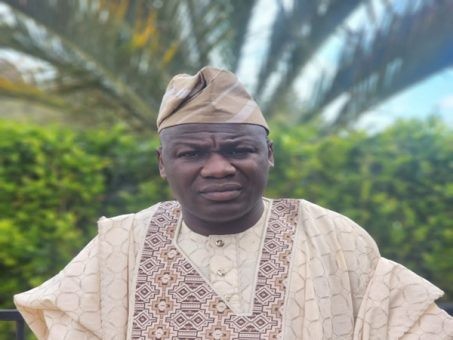
Adewale Kolapo Kareem has asked Atiku Abubakar to explain the cost and funding structure of his reported plan to restore Nigeria’s fuel subsidy.
Former Oyo State governorship aspirant Adewale Kolapo Kareem has asked former Vice President Atiku Abubakar to explain how his reported plan to restore Nigeria’s fuel subsidy would be financed. Kareem, a member of the All Progressives Congress, said any proposal to reintroduce the subsidy must address its potential effect on government finances and other essential public services.
In a statement issued on Monday, he acknowledged the hardship caused by rising food, transportation and energy costs but cautioned against using the difficulties facing Nigerians to secure political advantage. “Constructive criticism is indispensable to democracy, but Nigeria’s economic future demands something more serious than political convenience,” Kareem said. He was responding to reports that Atiku had pledged to restore the fuel subsidy. Kareem questioned the sustainability of the proposal and asked the former vice president to clarify what informed the reported change in his position.
According to Kareem, Atiku had supported the removal of the subsidy during the 2023 electoral cycle. He said Nigerians deserved an explanation if the former vice president’s stance had changed. “If his position has now fundamentally changed, Nigerians deserve a clear explanation of what has changed economically and how the enormous financial commitment associated with restoring subsidy would be sustainably funded,” he said.
Kareem argued that anyone advocating the return of the subsidy should state the likely cost to the federation and identify how the government would raise the required funds. “Anyone proposing the restoration of fuel subsidy must therefore answer fundamental questions: What would it cost the federation? Where would the money come from? Would government borrow more?” he asked. He warned that committing public funds to another subsidy programme could reduce the resources available for infrastructure, healthcare, education and social protection.
Kareem also raised similar concerns about proposals to cancel student loans obtained through the Nigerian Education Loan Fund. He said any commitment to forgive the loans should be accompanied by a credible financing arrangement, particularly if the government was also expected to fund other essential programmes. “Promising simultaneously to restore a costly subsidy, forgive public loans and maintain or expand essential government services requires more than political rhetoric,” Kareem said. Despite supporting the broad direction of President Bola Tinubu’s economic reforms, the former governorship aspirant urged the administration to take further steps to ease the pressure on Nigerians.
He called for increased investment in food production, affordable transportation and electricity, alongside stronger social protection measures and greater support for small businesses. Kareem said the benefits of the government’s reforms should be evident in the daily experiences of Nigerians.
“Nigeria must reform, but Nigerians must also feel the reform,” he said. He urged both the government and opposition politicians to focus on policies that could be sustained over time instead of making promises aimed at attracting immediate political approval.
The statement did not include a response from Atiku to Kareem’s questions about the reported subsidy proposal.