
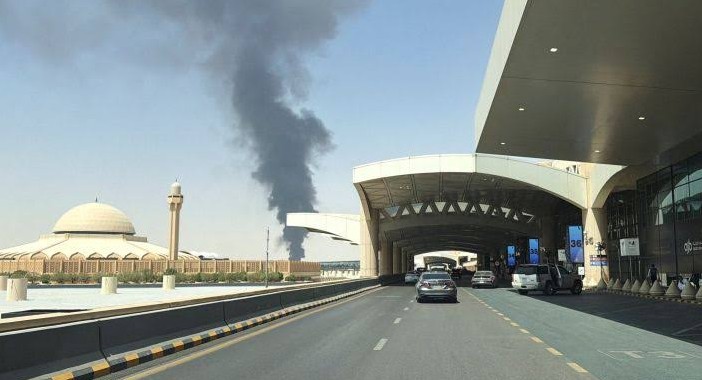
A fresh projectile strike battered King Khalid International Airport in Riyadh on Monday, 12 October, killing one person and injuring eleven others as regional peace talks stalled. Iranian-backed Houthi forces have struck Saudi civil air infrastructure five times within seven days, shutting runways in the capital and turning transit lounges into kill zones. Costly Western radars fail against cheap drones. Across the Persian Gulf, Tehran dismissed Washington’s latest diplomatic response over navigation in the Strait of Hormuz as entirely inadequate, proving that military escalation directly tracks diplomatic failure.
Mohsen Rezaei, the head of Iran’s Supreme National Security Council, announced that Tehran paused direct messaging because American envoys refused to meet seven core Iranian conditions for opening the maritime corridor. The White House accepted selective commercial terms while rejecting broader demands to lift sanctions and curb naval patrols. Half measures settle nothing in wartime. Mr Rezaei warned that any fresh confrontation will target undersea data cables, regional artificial intelligence centres, and Gulf tech hubs, widening the economic battlefield beyond crude oil.
The repeated bombardments shatter Crown Prince Mohammed bin Salman’s multi-billion-dollar campaign to recast Saudi Arabia as an untouchable global tourism and transit hub. International carriers redirected long-haul traffic away from the Arabian Peninsula after Western governments warned their citizens to cancel non-essential trips to Riyadh, Jeddah, and Dammam. Luxury resorts require safe skies. Aviation authorities in the kingdom now manage severe flight cancellations while emergency crews clear twisted metal from passenger terminals.
Tehran exploits Donald Trump’s reluctance to launch major American military counterstrikes before the November congressional midterm elections. The Islamic Republic treats allied airfields as leverage, showing that its regional proxies can ground Gulf commerce whenever diplomatic bargaining stalls. Impunity breeds bolder strikes. By striking the Saudi capital while holding international shipping hostage in Hormuz, Iran forces the White House to choose between an inflationary energy crisis and humiliating political concessions.
Washington’s diplomatic equivocation leaves Gulf allies exposed to persistent aerial bombardment with no clear defence strategy in sight. American negotiators offer vague guarantees to reopen sea lanes, yet Iranian commanders continue to dictate terms by targeting civil transport hubs. Words stop no missiles. Until the White House backs its diplomatic notes with credible deterrence, Tehran will continue to burn Gulf runways to extract maximum leverage from an anxious superpower.