
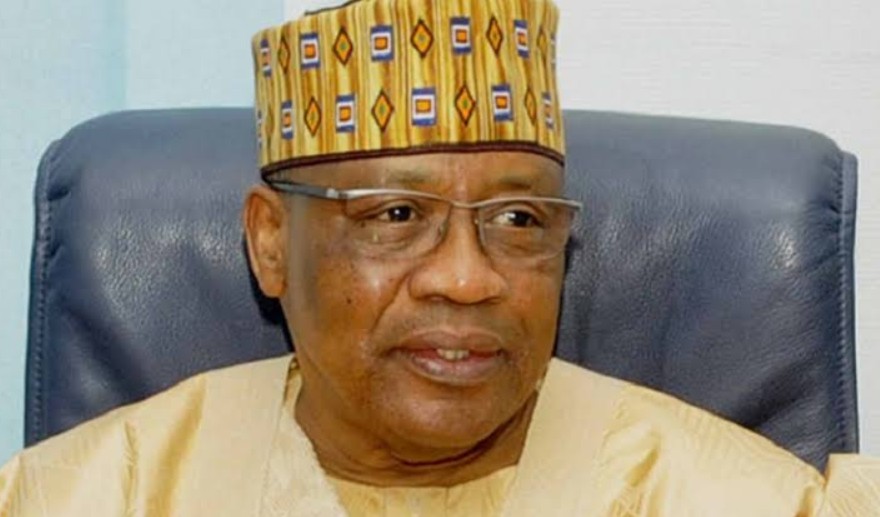
Former Military President General Ibrahim Babangida has reaffirmed his support for President Bola Tinubu’s 2027 re-election bid, while former Head of State General Abdulsalami Abubakar commended the administration’s record and appealed for peaceful elections. Both elder statesmen received a high-powered presidential delegation led by Chief of Staff Femi Gbajabiamila at their uphill residences in Minna, Niger State, on Thursday, 26 November 2026. The Presidency disclosed the outcome of the closed-door consultations in statements released following the visits.
Speaking to journalists after a private session at Babangida’s residence, Gbajabiamila stated that the former military ruler expressed strong satisfaction with Tinubu’s governance and wished him victory in the upcoming polls. Explaining the purpose of the outreach, the Chief of Staff noted that heavy nationwide campaign schedules had prevented the President from visiting Minna in person, prompting him to send a team, including lawmakers Abdulmumini Jibrin and Fuad Kayode Laguda, to convey his regards.
Across the hill at his own residence, General Abdulsalami Abubakar offered a favourable assessment of the administration’s stewardship, remarking, “So far, so good. I think the President has done a good job.” Abubakar also thanked Tinubu for personal support extended during his recent medical trip abroad, including instructing Vice President Kashim Shettima to check on him in India on the sidelines of the BRICS summit. Turning to the 2027 election cycle in his capacity as chairman of the National Peace Committee, Abubakar warned political actors and citizens that national stability depends on placing peace above partisan ambition.
Securing public goodwill from Minna’s two influential former rulers provides a notable symbolic boost for Tinubu’s northern campaign outreach ahead of early 2027 voting. In Nigerian politics, endorsements from elder statesmen rarely swing rural ballot boxes on their own, yet they signal elite consensus and help neutralise opposition narratives about regional alienation. Meanwhile, Abubakar’s emphasis on peaceful conduct serves as a timely reminder amid rising campaign clashes across several states.
High-level political pilgrimages to Minna remain a staple ritual of Nigerian electioneering, demonstrating how past military leaders still command deference across party lines. While Babangida’s backing and Abdulsalami’s praise strengthen the ruling camp’s momentum, ordinary voters will ultimately judge the administration on living costs, power supply, and security on election day.