
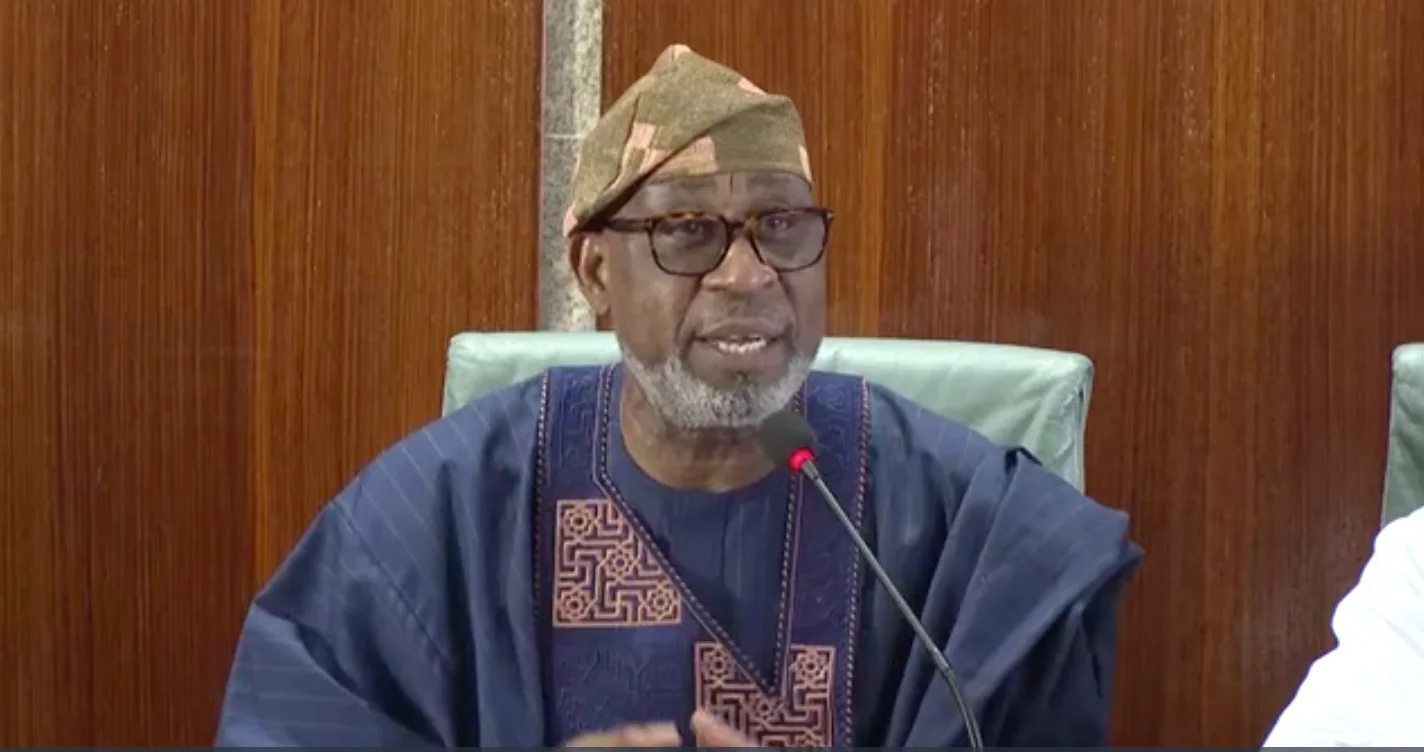
The African Democratic Congress (ADC) says it will subsidise the production of fuel if it wins power in 2027, arguing that Nigerians are too poor to be left at the mercy of market forces. The party’s National Publicity Secretary, Bolaji Abdullahi, made the pledge on Monday during an appearance on Channels Television’s Politics Today. His comments put the opposition’s position in its plainest terms yet, at a time when petrol sells for about ₦1,400 per litre and the Federal Government is defending a temporary discount it insists is not a subsidy.
“The most important point is that, the ADC and Alhaji Atiku Abubakar are saying that Nigerians are too poor to be left to market forces,” Abdullahi said. “We cannot have people so poor and leave them without subsidy. So, we (ADC) are going to subsidise production.” Asked where the crude would come from, he said Nigeria’s status as an oil producer was the answer, adding that the party would do whatever was needed to deliver cheaper fuel.
He compared the situation to a country at war. “When your country is at war, you do not begin to talk about the price of guns and the price of bullets,” he said, insisting that the ADC and its presidential candidate, former Vice President Atiku Abubakar, would defend citizens “by all means necessary”. He also said any policy that fails to improve the welfare and security of the people must be reconsidered.
Abdullahi’s claim about poverty finds support in official and multilateral data, although the government disputes how the figures are read. The World Bank, in its Nigeria Development Update, projects that 62 per cent of Nigerians, about 141 million people, will be poor in 2026, up from 40 per cent, or 81 million, in 2018/19. The Federal Government has previously cautioned against treating the bank’s figure as a literal headcount, describing it as a modelled estimate.
Price data tell a similar story of pressure on households. Before the Middle East conflict escalated in February, crude oil traded below $69 per barrel and petrol sold for about ₦830 per litre in parts of the country. Dangote Petroleum Refinery raised its gantry price to ₦1,350 on September 12, its fourth increase since August 21, and pump prices touched ₦1,500 in some areas. On those figures, petrol now costs roughly 69 per cent more than it did eight months ago.
The National Bureau of Statistics puts headline inflation at 15.39 per cent for August 2026, down from 23.14 per cent a year earlier. Food inflation, however, stood at 19.57 per cent, and food remained the single biggest contributor to price increases. The September figures, due later this month, will be the first to capture the full effect of the recent pump price rises.
The government has rejected any return to subsidy. In his Independence Day broadcast on October 1, President Bola Tinubu said: “Our reforms did not create the weaknesses in our economy. They confronted them.” He warned against calls from what he called influential but regressive voices to restore subsidy arrangements.
A week later, Finance Minister Taiwo Oyedele announced a 30-day discount at NNPC stations, under which NNPC Retail will forgo its profit margin and sell at cost, with priority for public transport operators. He said the government was also negotiating a ₦1,350 ceiling on the ex-gantry cost of petrol, reviewed monthly, and had waived taxes and duties worth more than ₦3.3 trillion in the year to September 30. Oyedele warned that the subsidy proposals of some presidential candidates could push petrol to ₦2,000 per litre.
The government’s case rests on the fiscal history of subsidy. According to the Presidency, the 2023 budget set aside ₦3.36 trillion for petrol subsidy against projected oil revenue of ₦2.23 trillion. Officials have also pressed the opposition for specifics. Presidential aide Bayo Onanuga has asked Atiku to state the cost of his plan, its beneficiaries, its funding and when it would end, while Dele Alake, spokesperson for the APC Presidential Campaign Council, has warned that discounted crude for local refiners could reduce revenue due to the Federation.
Abdullahi’s remarks did not provide those figures. Atiku has described his plan as targeted support for Nigerian crude supplied to domestic refineries under an independently audited framework, but neither he nor the party has published a costing. The government, for its part, has yet to disclose the expected volume of discounted petrol or what NNPC Retail stands to lose.
Two deadlines now hang over the debate. The Nigeria Labour Congress has given the Federal Government until about October 23 to reduce petrol prices to their 2024 level and open minimum wage talks. The NNPC discount is due to end on October 31.