
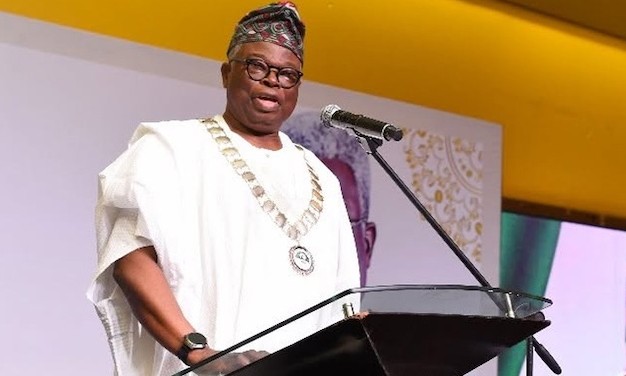
Predatory revenue agents and armed street gangs continue to bleed Nigerian businesses through illegal levies, ignoring statutory penalties of five million naira and three years in prison under recent fiscal laws. Lagos Chamber of Commerce and Industry President Leye Kupoluyi raised the alarm in Lagos on Wednesday, 14 October, citing the Central Bank of Nigeria’s September business expectations survey where managers ranked multiple taxation above physical insecurity and double-digit lending rates as their greatest operating hurdle. Roadside extortion defeats national legislation daily. Factory owners in the Apapa maritime corridor watch state task forces, rogue councils, and private cartels halt transport lorries repeatedly between the docks and inland processing plants, generating fresh traffic gridlock that business owners calculate has cost the maritime economy one hundred billion naira in avoidable transit expenses.
This administrative free-for-all punishes law-abiding corporate taxpayers who already battle thirty per cent bank borrowing charges, expensive diesel generators, and a volatile exchange rate that hovers near 1,335 naira per greenback. State governments write ambitious revenue collection targets on paper, but municipal revenue collectors prefer to farm out their collection powers to aggressive musclemen who extort cash from van drivers without printing proper treasury receipts. Paper laws deter very few street cartels. Because magistrates fail to jail a single high-ranking municipal official or union enforcer for illegal roadblock shakedowns, rogue operators treat the threat of statutory fines as an irrelevant inconvenience while legitimate manufacturers shoulder ever higher production bills.
The tax crisis deepens as the Nigeria Revenue Service rolls out digital invoicing systems for medium-sized enterprises with yearly sales between one billion and five billion naira ahead of mandatory fines in early 2027. Mr Kupoluyi warned that fragile suppliers face total commercial paralysis because struggling firms lack the working capital and technical software to link their back-office ledger books to the national electronic tax portal. Unready corporate systems invite harsh commercial penalties. Large industrial buyers will soon reject uncertified paper invoices from smaller vendors to avoid state tax audits, cutting off vital market sales for struggling family workshops that form the true foundation of domestic employment.
Finance Minister Taiwo Oyedele regularly boasts to multilateral financiers at international monetary meetings that comprehensive fiscal restructuring has expanded the national tax-to-gross domestic product ratio to twelve point five per cent from seven per cent. That macroeconomic arithmetic offers cold comfort to domestic factory managers who spend their working days warding off parallel revenue inspection teams from three tiers of government. Flashy bureaucratic statistics cannot cure highway bribery. Until state attorneys actually prosecute the corrupt council chairmen and union bosses who sponsor extortion rings along federal freight highways, official tax reform will remain a cruel paper illusion that drives productive capital out of West Africa.
The Chamber of Commerce demands an immediate six-month penalty waiver on electronic invoicing along with cheap certified billing tools for small firms, cheaper credit, and real relief on freight fuel costs to keep local assembly plants alive through the final quarter. The presidency must decide whether it will rein in rogue sub-national tax collectors or permit lawless council touts to strangle formal industrial production. Silence from Abuja encourages rogue revenue collectors. If federal authorities refuse to back their statutory penalties with actual prison terms for highway extortionists, Nigeria will continue to crush the formal businesses that fund its national budget.