
By N’Mazi Obiomah O. Igbokwe
When the guardians become prisoners of the system
George Orwell’s Animal Farm was more than a story about rebellious animals. It was a warning about the corruption of noble ideals, the abuse of power and the consequences of allowing those entrusted with protecting society to escape accountability.
In the novel, animals overthrow their human oppressors, hoping to establish a fairer society. But their leaders, the pigs, gradually manipulate the rules, concentrate power and betray the principles of the revolution. The animals eventually discover that changing those in charge does not necessarily change the system.
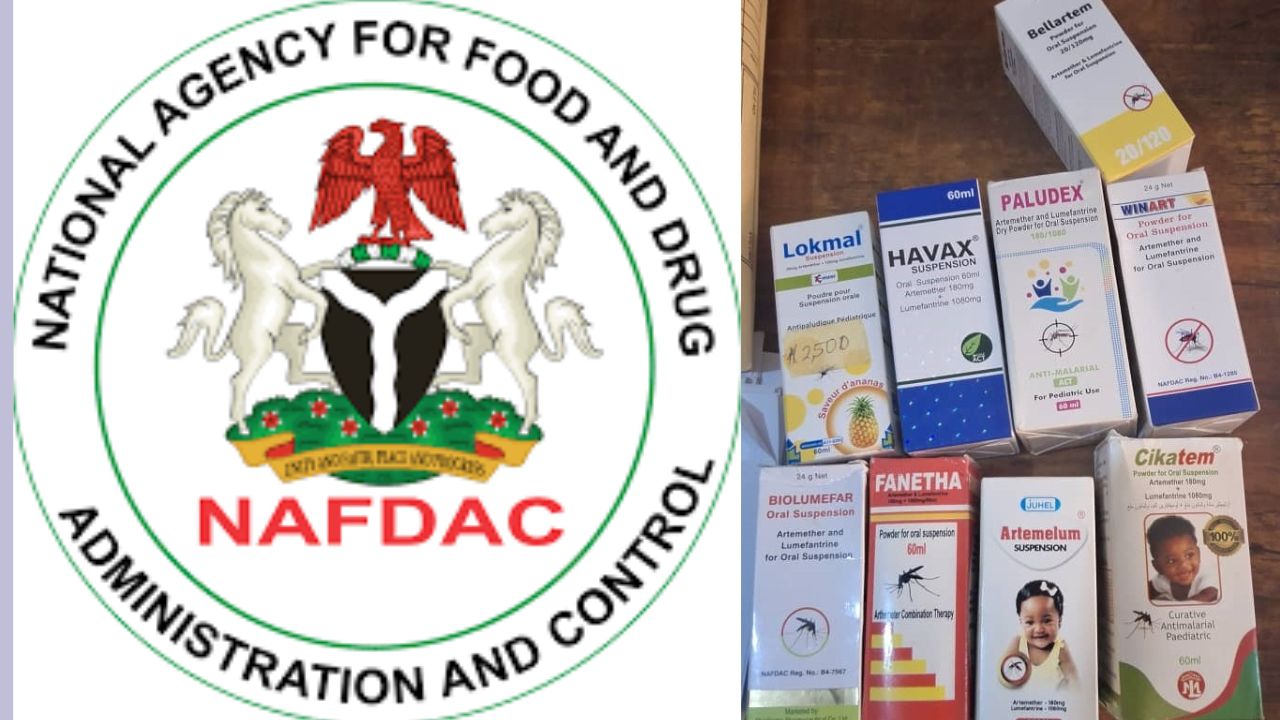
There is an uncomfortable lesson here for Nigeria, particularly in the struggle against fake, adulterated and substandard medicines and the responsibility of the National Agency for Food and Drug Administration and Control (NAFDAC) to protect public health.
The question is not whether NAFDAC has conducted raids, seized counterfeit products or prosecuted offenders. It has. The more important question is whether these interventions are making medicines available in Nigeria safer and more trustworthy.
When medicine becomes a gamble
NAFDAC’s mandate is to protect Nigerians by ensuring regulated products meet appropriate standards of quality and safety. This is a solemn responsibility for millions who depend on medicines to treat infections, manage chronic illnesses and recover from disease.
Yet, regulations on paper do not automatically translate into effective enforcement. A falsified medicine may carry a copied registration number, while a genuine product may deteriorate because of improper storage. Other products may contain incorrect ingredients or inadequate quantities of active pharmaceutical substances.
The World Health Organisation (WHO) warns that substandard and falsified medical products can cause treatment failure, contribute to antimicrobial resistance, waste household resources and undermine confidence in healthcare. It estimates that more than one in ten medicines in low- and middle-income countries may be substandard or falsified. This is a broad international estimate, not a measurement of Nigeria’s current prevalence.
Consider a father who spends his last money on antibiotics for his sick child. He follows the instructions, but the child does not recover because the medicine is ineffective or falsified. The family must endure further suffering and possibly incur additional medical expenses.
For the patient, the deception may remain invisible. A counterfeit tablet can look identical to the genuine product, with convincing packaging and an apparently legitimate registration number. The danger becomes apparent only when treatment fails.
Fake medicines are therefore not merely a commercial nuisance. They can turn the desperation of the sick into an opportunity for criminal profit.
Consequently, success in combating them cannot be measured by occasional raids or public destruction of confiscated products alone. The real test is whether dangerous medicines are prevented from entering the supply chain, detected quickly, withdrawn effectively and traced to those responsible.
NAFDAC and the burden of leadership
Under Professor Mojisola Christianah Adeyeye, NAFDAC has announced enforcement operations, seizures and criminal prosecutions. In September 2026, reports cited the agency’s claim that it had secured 64 convictions for counterfeiting over a year.
These efforts deserve acknowledgement. It would be inaccurate to suggest that the agency has done nothing or that every counterfeit product discovered in circulation proves individual official misconduct.
Nevertheless, enforcement figures should prompt further questions rather than end the discussion.
How many dangerous products remain available after major operations? How quickly are affected batches traced and withdrawn? What proportion of investigated cases result in convictions? Are repeat offenders prevented from returning to the trade? What happens to the networks supplying counterfeit medicines to retailers? And what independent evidence shows that the problem is declining?
These are legitimate questions about an institution whose performance can determine whether patients receive effective treatment or suffer avoidable harm.
NAFDAC’s 2024–2027 strategic plan recognises the importance of inspections, surveillance, follow-up compliance checks and action against pharmaceutical products sold in open drug markets. The challenge is to demonstrate measurable, sustained improvements in medicine safety.
A regulator should be judged not merely by the number of warehouses raided or the quantity of goods seized, but by the effectiveness of the systems it establishes to prevent dangerous products from reaching consumers.
That requires intelligence-led enforcement, reliable laboratory testing, traceable supply chains, transparent reporting and coordination among NAFDAC, the police, customs authorities, pharmacists, manufacturers and other relevant institutions.
Accountability beyond the regulator
One of Orwell’s most disturbing observations was how the new rulers acquired the habits of those they had overthrown. Those who once demanded accountability gradually became insulated from scrutiny.
Nigeria must guard against a similar institutional danger: public agencies treating criticism as hostility and official achievements as sufficient proof of success.
This analogy is not an allegation that NAFDAC’s leadership is corrupt. It is a warning about the importance of institutional accountability.
When citizens question the availability of fake medicines, they deserve more than a list of previous seizures. They need evidence of what has changed, what remains unresolved and what is being done to address persistent weaknesses.
Public confidence cannot be commanded; it must be earned. Where shortcomings exist, the response should be introspection and corrective action, not defensiveness.
The crisis, however, cannot be blamed on NAFDAC alone. Falsified medicines are part of a criminal enterprise that exploits weaknesses in regulation, logistics and consumer awareness. Products may enter through illicit import channels, be manufactured locally, diverted from legitimate supply chains or repackaged and stored under conditions that compromise their quality.
Law enforcement agencies must investigate and prosecute those responsible. Border authorities must strengthen controls, while manufacturers, distributors and retailers must protect products, maintain reliable records and source medicines from legitimate suppliers. Healthcare professionals should report suspected treatment failures and adverse reactions.
Nigeria must also improve medicine traceability from manufacturer or importer through distributors and pharmacies to the final consumer. Secure packaging, authentication technologies, risk-based inspections and effective post-market surveillance can help close loopholes exploited by counterfeiters.
The cost of failure is paid by the poor
The fake-drug crisis is also a question of social justice. Wealthier patients may afford alternative treatments, additional tests or medicines from more tightly controlled sources. Poorer Nigerians often struggle to pay for even the first consultation.
For these families, a counterfeit medicine can mean losing money they cannot replace, suffering an avoidable deterioration in health or losing a loved one.
Ineffective treatment also places additional pressure on hospitals, wastes household and public resources, reduces productivity and can contribute to drug-resistant infections.
A country already struggling with healthcare infrastructure and access to affordable essential medicines cannot afford to measure regulatory success principally by activity rather than public-health outcomes.
The question is not simply whether NAFDAC is busy. It is whether Nigerians are becoming safer.
What must change?
First, NAFDAC should publish an accessible performance dashboard covering confirmed counterfeit incidents, laboratory-tested substandard products, recalls, public-alert response times, prosecutions, repeat offenders and follow-up inspections. Data should distinguish allegations from verified findings and be open to independent scrutiny.
Second, the agency should strengthen medicine authentication and traceability, enabling healthcare professionals and consumers to verify products and report suspicious medicines. Digital systems must complement laboratory testing and physical inspections.
Third, enforcement must target entire criminal networks, including financiers, manufacturers, importers, warehouse operators and distributors, rather than focusing mainly on retail outlets.
Fourth, the government must invest in modern laboratories, trained personnel, intelligence sharing and transparent oversight. Serious violations should attract appropriate legal consequences, with due process maintained.
Finally, illegal pharmaceutical trading channels must be closed without making legitimate medicines less accessible or affordable. NAFDAC’s leadership should also treat constructive criticism as an opportunity to identify and correct weaknesses.
The public should not have to choose between acknowledging legitimate achievements and demanding better results. Both are necessary.
The final lesson of Animal Farm
At the end of Orwell’s novel, the animals can no longer distinguish their new rulers from the former oppressors. The warning is clear: institutions betray their purpose when power becomes detached from the interests of those they exist to serve.
For Nigeria, the lesson is not that every regulator is corrupt or every enforcement effort futile. It is that institutions must never become so preoccupied with defending themselves that they lose sight of the people they are meant to protect.
NAFDAC must answer a fundamental question: are its policies, enforcement operations and regulatory systems delivering the protection Nigerians deserve?
If the answer is yes, the evidence should be published and independently examined. If not, the deficiencies must be identified and corrected without delay.
A raid is an intervention. A seizure is an enforcement outcome. A conviction is a measure of accountability. But the ultimate objective is a pharmaceutical marketplace where the sick can obtain genuine, effective and safe medicines without gambling with their lives.
The sick do not need reassuring slogans. They need medicines that work. Nigeria must therefore examine not only the criminals profiting from fake drugs, but also the effectiveness of the systems established to stop them.
I come in Peace!!