
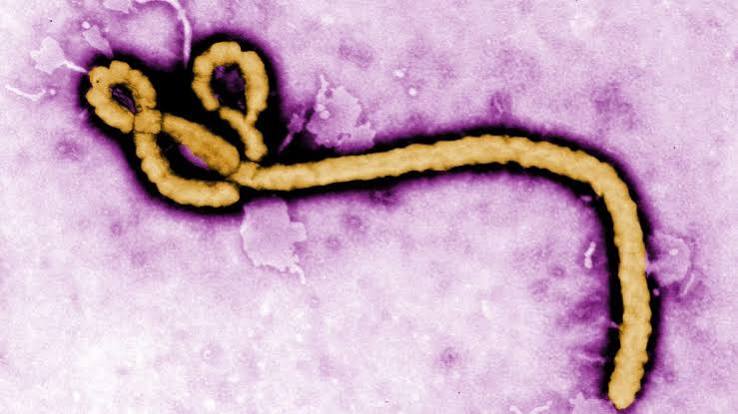
The Federal Government has confirmed a case of Ebola virus disease in Abuja, bringing Nigeria into a regional outbreak that has infected more than 9,500 people in Central and East Africa since May. The Minister of Health and Social Welfare, Prof. Ali Pate, said on Tuesday that the patient, a woman who had recently travelled through Uganda, is in isolation and receiving care. Health officials have so far identified 44 people who may have been exposed to her.
According to the minister, the woman developed symptoms on October 7 and went to a private hospital in Abuja on October 11. Her condition worsened, and further tests confirmed Ebola on October 20. That means 13 days passed between the onset of symptoms and confirmation, nine of them after she first sought care at the facility.
“Contact tracing has been conducted, and it’s underway as we speak, with 44 contacts already identified,” Pate said. He listed health workers, other patients, caregivers and fellow travellers among those under watch. The minister said the private hospital was receiving support to strengthen infection prevention and control, and urged health facilities nationwide to isolate and report suspected cases promptly.
Where the woman was infected is not yet settled. Uganda’s Ministry of Health has said she only transited through the country after a business trip to eastern Congo, insisting that Uganda has no confirmed active Ebola case. Nigerian authorities have not disclosed her nationality or full travel history. Uganda recorded 20 confirmed cases and two deaths earlier in the outbreak, and its last patient was discharged on July 16.
The outbreak is caused by the Bundibugyo virus, one of the less common species of Ebola. The Democratic Republic of the Congo declared it on May 15 after cases emerged in Ituri Province. By October 19, the DRC had recorded 9,552 confirmed cases and 4,602 deaths, according to the European Centre for Disease Prevention and Control, a fatality rate of about 48 per cent.
The pace of spread is what alarms health agencies most. In mid-July, the World Health Organisation counted 2,124 confirmed cases and 828 deaths in the DRC, meaning infections have multiplied about four and a half times in three months. The United States Centers for Disease Control and Prevention says the outbreak passed 1,000 confirmed cases within 40 days, against about 235 days in the 2018 DRC epidemic, and now ranks as the second largest Ebola outbreak ever recorded.
There is also a gap in medical tools. The WHO has said there are no approved vaccines or specific treatments for Bundibugyo virus disease, unlike the Zaire strain behind the 2014 West African epidemic and later outbreaks. Patients rely on supportive care, which places heavy pressure on early detection and isolation.
Nigeria is the latest country to record an imported case. Kenya confirmed its first on October 6, a traveller who journeyed by road to Kampala before flying to Nairobi and died a day before diagnosis. Official tallies now put Kenya’s cases at eight to nine, with one death.
The Africa Centres for Disease Control and Prevention has called for urgent global help. Its Director-General, Dr Jean Kaseya, described the Bundibugyo outbreak as the most geographically widespread in Ebola’s history, covering three regions of Africa. “My appeal to the international community is urgent: Act Now,” he said, calling for flexible funding, diagnostics, medical supplies and trained responders. “Africa’s health security is global health security,” Kaseya added.
Nigeria has faced this threat before. In July 2014, a Liberian American traveller, Patrick Sawyer, collapsed in Lagos and introduced the virus into the country. The outbreak that followed infected 20 people and killed eight, among them Dr Ameyo Adadevoh, the physician credited with helping to contain it. Health teams followed up nearly 900 contacts, and the WHO declared Nigeria free of Ebola on October 20, 2014, exactly 12 years before this week’s confirmation.
Pate cited that experience as evidence that the country has the expertise to contain the new case. He said a Presidential Task Force on Ebola Virus Disease was constituted in May as part of preparedness efforts. The Nigeria Centre for Disease Control and Prevention, the FCT Health Secretariat, the WHO and Africa CDC are working together on the response.
Ebola spreads through direct contact with the blood or body fluids of a person who has symptoms or has died of the disease, and through contaminated materials. Symptoms appear between two and 21 days after exposure and include fever, severe headache, weakness, vomiting and diarrhoea, which can be mistaken for malaria. An infected person is not generally contagious before symptoms begin.
The 21-day window means the 44 contacts will remain under monitoring into November. The minister urged Nigerians to stay calm, avoid spreading unverified information and cooperate with tracing teams. Suspected cases can be reported through the NCDC’s toll-free line, 6232, which operates 24 hours a day.