
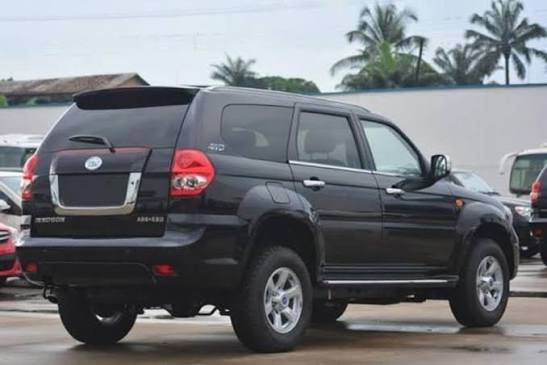
The Nigeria Democratic Congress has accused the ruling All Progressives Congress of wasteful spending after the party’s national youth leader, Dayo Israel, announced that brand-new 2026 Toyota Land Cruiser Prado SUVs had been presented to selected youth leaders for election mobilisation. Israel posted a video of seven of the vehicles on his X account on Sunday, then deleted the post about three hours later as criticism mounted.
The NDC put the cost of the seven vehicles at about ₦1.015 billion, based on an estimated ₦145 million per unit. Toyota’s authorised distributor in Nigeria, CFAO Mobility, lists the 2.4-litre turbo-petrol Adventure version of the Prado at ₦160 million and the Premium version at ₦190 million. At those prices, seven Adventure models would cost roughly ₦1.12 billion, and seven Premium models about ₦1.33 billion. The actual purchase price, the specifications of the vehicles and the source of funding have not been disclosed, so the figures remain estimates rather than confirmed invoices.
Israel said the vehicles were meant to support the beneficiaries’ mobilisation activities ahead of the 2027 general elections. He thanked First Lady Oluremi Tinubu for what he called her continuous support to the party structure under his leadership, and said the APC would deliver “polling unit by polling unit.” The post drew immediate backlash from Nigerians who questioned the timing and the cost, with several users contrasting the gift with the financial difficulties facing public hospitals, universities and households.
The NDC’s response was blunt. The party said the presentation reflected a government asking Nigerians to endure hardship while politicians enjoyed expensive benefits, and it urged voters to remove the ruling party in 2027. It also used the controversy to restate its presidential candidate Peter Obi’s commitment to cutting the cost of governance, a theme he has pressed in several public appearances since securing the NDC ticket.
The exchange lands in a campaign season already shaped by spending and transparency questions. Under the Electoral Act 2026, presidential candidates face a maximum campaign expenditure limit of ₦10 billion, up from ₦5 billion under the 2022 law. Governorship candidates are capped at ₦3 billion, senatorial candidates at ₦500 million, House of Representatives candidates at ₦250 million and state assembly candidates at ₦100 million. The Independent National Electoral Commission has said it will track campaign financing and work with anti-corruption agencies to enforce the limits, but it has also acknowledged that parties and candidates have often observed such ceilings in the breach.
The presidential and National Assembly elections are scheduled for January 16, 2027, with governorship and state assembly polls on February 6. Campaigns opened in August 2026, and the parties are now in the most expensive phase of the cycle, when visibility, logistics and mobilisation costs rise sharply.
The cost-of-governance argument is not new. The Social Democratic Party’s presidential candidate, Adebayo, has promised to scrap bulletproof SUVs and charter jets for officials, citing civil society estimates that put the cost of political opulence in the trillions of naira annually. Obi has made similar pledges, saying he would cut the presidential fleet and reduce the size of government if elected. The APC has not responded directly to the NDC’s latest statement, and there is no public accounting yet of how the Prado vehicles were acquired.
What the episode has done is sharpen a question that will follow both parties into the campaign: whether public money, party money or private donations are being used to fund the machinery of politics, and whether voters are entitled to know the difference. The NDC says the answer is clear enough to warrant a change of government. The APC has said nothing publicly about the funding, and Israel’s deleted post has left the record incomplete.