
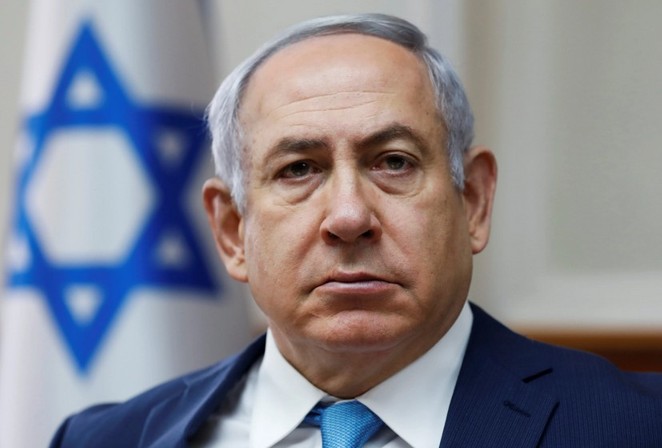
Israeli electoral authorities and senior judicial officers affirmed on 2 November 2026 that national election results stand firm despite unevidenced claims of vote theft by Prime Minister Benjamin Netanyahu. The Central Elections Committee rejected assertions from Netanyahu’s Likud party alleging that Arab-led political groups stole the parliamentary vote. Final ballot tallies show Netanyahu’s right-wing bloc securing 53 seats in the 120-seat Knesset, leaving him well short of a governing majority.
The dispute centres on police arrests of political activists in the days surrounding the 27 October vote over alleged cash-for-votes schemes in Arab-majority towns. Law enforcement officers detained several suspects linked to the Islamist Ra’am party on suspicion of voter bribery. However, Israeli judges questioned police evidence on Sunday, releasing key suspects to house arrest or setting aside stringent detention requests. Ra’am leader Mansour Abbas denounced the police operation as a politically motivated attempt to delegitimise his party’s eight parliamentary seats.
Netanyahu seeks to block opposition leaders from forming a coalition government with Arab-led parties. Gadi Eisenkot’s centrist coalition captured 48 seats, while Arab parties hold 19 seats, creating a viable path to oust the long-serving prime minister. Electoral administrators insist that isolated fraud allegations do not alter the broader integrity or outcome of the national vote. Deep political divisions leave coalition negotiations highly volatile.
Casting doubt on certified electoral outcomes mirrors rhetoric used by populist leaders facing defeat in foreign capitals. Legal experts warn that attacking independent electoral bodies undermines public trust in democratic institutions. Israeli security agencies now monitor rising tensions as partisan groups organise public rallies across major urban centres.
The political stalemate leaves Israel without a stable parliamentary majority during an ongoing regional security crisis. Foreign diplomats fear prolonged domestic instability will complicate fragile ceasefire talks and strategic alliances across the Middle East. President Isaac Herzog must soon mandate a party leader to attempt coalition formation under strict constitutional deadlines.
Democracy demands respect for certified ballot counts. Netanyahu faces a choice between accepting parliamentary realities or forcing a costly sixth election cycle. Israel’s judicial and electoral safeguards have held firm against executive pressure.