
The push to unite Nigeria’s opposition behind one presidential candidate against President Bola Tinubu in 2027 has effectively collapsed, a chieftain of the G-100 pressure group, Umanu Elijah, has said, as rival ambitions harden less than three months to the poll.
Elijah said in an interview that opposition politicians were unwilling to make the concessions a united front would demand. He described the single-candidate proposal championed by the group’s convener, Salihu Lukman, as “dead and buried,” pointing to parties that have pressed on with full campaigns, their candidates and running mates already in place.
The G-100, a coalition of about 100 politicians and civic figures convened by Lukman, a former National Vice Chairman of the ruling All Progressives Congress, was formed to stop the opposition vote from splintering as it did in 2023. Its case has been blunt and largely arithmetical: no single opposition party can match the APC’s structures and incumbency, but their combined followings can. The group set out that argument in its August document, “The Doctrine of a Necessary Democratic Opposition,” building on the Ibadan Declaration of April 2026, which first committed opposition leaders to a consensus candidate.
The numbers behind the case come from the last election. Going by results declared by the Independent National Electoral Commission, Tinubu won in 2023 with about 8.8 million votes, ahead of Atiku Abubakar’s 6.98 million and Peter Obi’s 6.1 million, while Rabiu Kwankwaso polled roughly 1.5 million. Added together, the three main challengers drew far more than the winner, on a record-low turnout of about 27 per cent. That spread is the evidence the coalition has leaned on to argue that unity, not fresh candidates, is the opposition’s clearest route back to power.
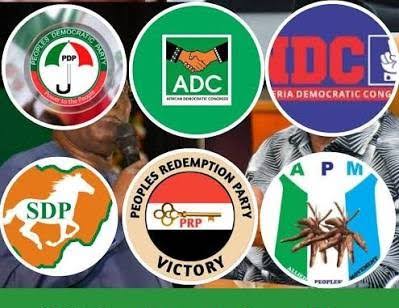
The field, however, has moved the other way. The ADC named Atiku its candidate in May, with former Rivers State governor Rotimi Amaechi as running mate. Within days, the Nigeria Democratic Congress unveiled Obi, who had left the Labour Party, alongside former Kano governor Kwankwaso. The Social Democratic Party’s Adewale Adebayo and Oyo State governor Seyi Makinde have stayed in the frame, and the Allied Peoples Movement has continued its own campaign. Each of those moves locked in an ambition the consensus plan needed its owners to surrender.
At its Abuja summit on 31 August, the G-100 drew representatives of six opposition parties and proposed a Government of National Competence built around a single four-year transition term and managed through five working groups, one of them tasked specifically with negotiating a consensus candidate. As recently as October, Lukman maintained that the alliance could still name that candidate, possibly only days before the January 2027 vote, framing the delay as strategy rather than failure.
Working against that timetable is turmoil inside the very platform meant to anchor the coalition. The ADC, adopted last year by an Atiku-led bloc, has been split between a faction led by former Senate President David Mark and rival camps, with competing claims to the leadership running through INEC and the courts. The infighting has drained time and trust the consensus effort can ill afford.
For now, the opposition is heading towards 2027 as separate parties rather than a single bloc. Supporters still hold that a late agreement is possible, since candidates can legally withdraw and back an agreed flagbearer before the ballot. Whether any leading contender will accept that role, after months of building a rival campaign, is the question the coming weeks will answer.