
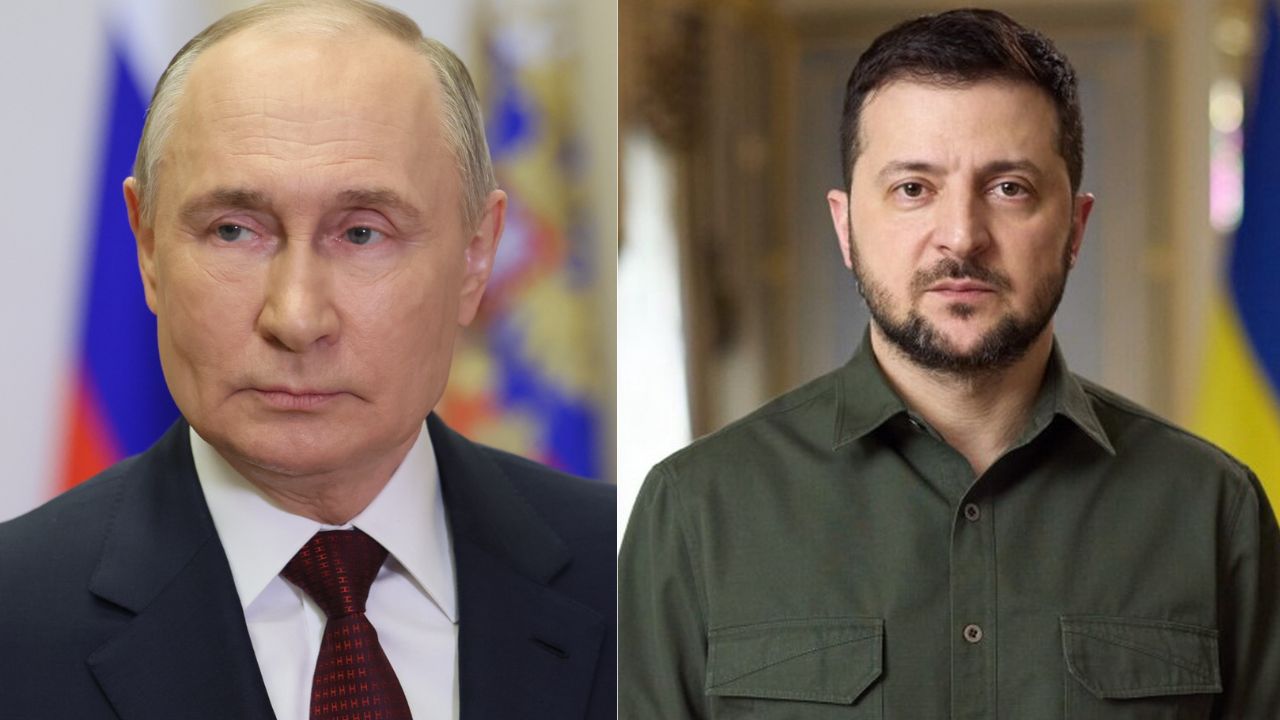
Russian forces launched a massive overnight barrage against Ukrainian defence plants and power grids on Thursday, 12 November 2026, just hours before senior American peace envoys touched down in Moscow. Moscow’s defence ministry confirmed that long-range missiles and drones struck aerospace and drone assembly facilities across Kyiv, Brovary, and Yagotin, alongside electrical substations in Zhytomyr and Rivne. Ukrainian air defences answered with drone waves aimed at the Russian capital, though Moscow Mayor Sergei Sobyanin reported that air defence batteries downed five incoming aircraft before they reached the city.
Both belligerents clearly intend to negotiate from a position of destructive strength rather than diplomatic goodwill. American negotiators Jared Kushner and Steve Witkoff arrived in Moscow on Thursday morning straight from two days of inconclusive peace talks in Abu Dhabi. The envoys hope to finalise a new prisoner swap with President Vladimir Putin and push for European partners to join future sessions, yet burning industrial hubs suggest neither warring party expects an imminent truce.
Russia’s target list reveals a calculated effort to cripple Ukraine’s domestic weapons production before winter freezes the front lines. Precision strikes hit the Generator rocket plant in Kyiv, solid-fuel booster factories in Yagotin, and an Odesa-bound cargo vessel allegedly carrying military hardware. By knocking out high-voltage substations in Zhytomyr, Russian commanders seek to starve surviving arms workshops of the electricity they need to operate.
Diplomacy currently trails far behind the lethal realities on the ground. While Abu Dhabi delegates managed to agree on swapping captives, deep divisions over occupied territory continue to stall any wider settlement. Kushner and Witkoff plan to fly straight from the Kremlin to Dublin to brief Ukrainian President Volodymyr Zelenskyy ahead of an informal European Union summit on Friday.
European leaders remain wary of bilateral deals struck over their heads, which explains why Kushner publicly insisted on bringing them to the table. Moscow has consistently resisted European involvement, preferring to bargain directly with Washington while grinding down Ukrainian infrastructure. This diplomatic tug-of-war leaves Kyiv fighting for both battlefield survival and seat allocation in talks that will decide its borders.
Until missile salvos stop accompanying every diplomatic flight, peace talks will look more like tactical pauses than genuine settlements. Warring capitals rarely trade overnight explosions if they truly expect to sign a treaty by the weekend. American mediators now face the unenviable task of selling compromise to leaders who still prefer the language of high explosives.