
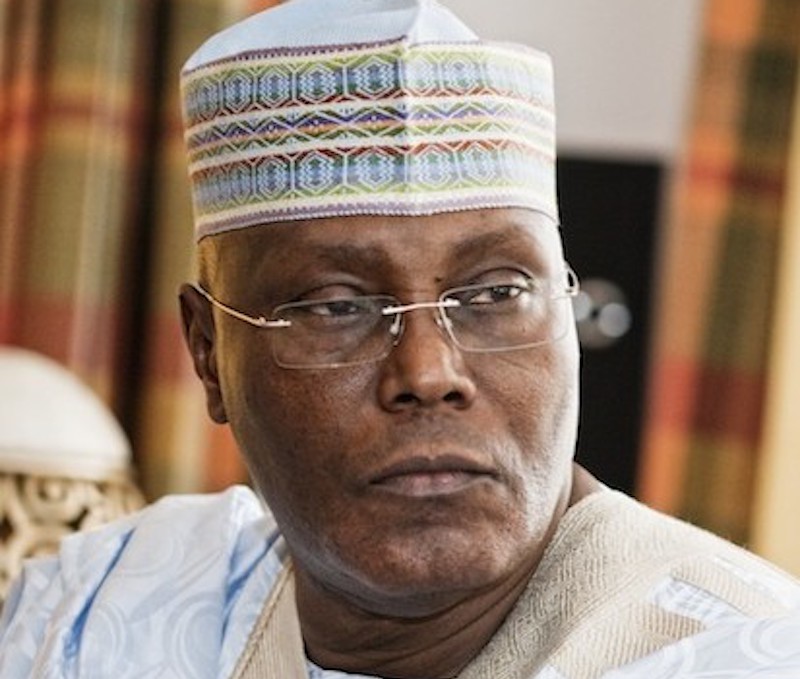
Former vice-president Atiku Abubakar took aim at the Federal Government on Friday, 9 October, dismissing President Bola Tinubu’s temporary thirty-day petrol discount as an insincere political stunt designed to hoodwink voters before the 2027 general election. Speaking in Abuja during the inauguration of the African Democratic Congress presidential campaign council, Mr Abubakar demanded to know what ordinary citizens will face on day thirty-one once this brief pricing window closes. Artificial price pauses solve nothing. Families will simply wake up on the thirty-first morning to the same punishing transport fares, high food prices, and costly pump rates that have ruined household finances for over three years.
The former vice-president observed that the sudden price cut amounts to a clumsy official confession that unmanaged market deregulation has brought widespread ruin to the country. Mr Abubakar noted that ministers previously mocked his own proposals for budgeted, domestic refinery support as unworkable, only to copy the idea badly through a hasty discount limited to retail outlets run by the state oil company. Panic breeds bad policy choices. State forecourts represent a tiny fraction of the retail petroleum network, ensuring that millions of motorists who buy from independent marketers will continue to pay exorbitant open-market rates.
Downstream operators and economic analysts share the opposition leader’s scepticism about the financial mechanics behind this temporary relief measure. Energy economists warn that forcing distributors to absorb artificially depressed margins will push fuel marketers into high-interest bank debt and trigger product hoarding across the federation. Cheap fuel invites cross-border smuggling. Widening the price gap between Nigeria and adjacent West African states will merely reward black-market syndicates, which routinely divert cheap coastal supplies to neighbouring countries for immediate hard currency.
The clash exposes the fundamental weakness of using short-term retail hand-outs to hide structural macroeconomic failure. Mr Abubakar stressed that farmers moving crops, market traders restocking shelves, and small enterprises running diesel generators bear the crushing cost of expensive energy every single day, whether they own cars or not. Token gifts never cure inflation. Until the state addresses collapsed domestic refining, secure trade routes, and declining real incomes, thirty days of cheaper petrol will look like a desperate electoral bribe rather than serious economic management.