
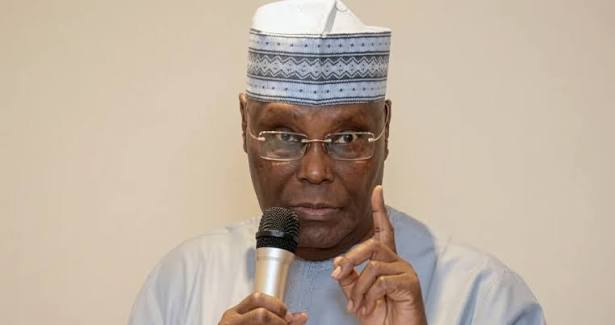
Former Vice President Atiku Abubakar has expressed concern over reports that some young Nigerians are selling their kidneys to raise money in the face of rising living costs.
In a post on X on Friday, the African Democratic Congress presidential candidate said he had heard “disturbing stories” of young people driven to desperate measures simply to survive.
“I have heard disturbing stories about the extent to which young Nigerians are being driven simply to survive. Perhaps the most horrifying are the growing reports of young people selling parts of their bodies: kidneys in particular, in desperate attempts to raise money,” Atiku wrote. “Young people should be selling dreams, ideas and innovation, not their body organs.”
He linked the reports to the cost-of-living crisis, arguing that when hardship becomes unbearable, desperation can make the unthinkable appear like an option. Atiku claimed that young Nigerians were reportedly selling kidneys for as little as N1.7 million.
“In Tinubu’s Nigeria, almost everything required to live with dignity is becoming more expensive by the day: food, transport, rent, school fees, medicine and electricity,” he said. “Yet young Nigerians are reportedly being driven to sell their kidneys for as little as N1.7 million. That should break the heart of a nation.”
Atiku acknowledged that Nigeria has laws prohibiting commercial organ sales and organ trafficking under the National Health Act, but argued that legislation alone cannot address the poverty and desperation that make vulnerable people easy targets for criminal networks.
He called for economic reforms with “a human face,” including affordable food, cheaper transport, accessible healthcare, decent jobs and renewed hope for young people.
The remarks come amid recent investigations into alleged organ harvesting. In late August 2026, the Nigeria Police Force arrested four suspects, including two doctors, in connection with an alleged kidney harvesting and human trafficking syndicate operating in Nasarawa State and Abuja. Police said one victim was allegedly paid $1,250 (approximately N1.7 million) after his kidney was removed at a hospital in Life Camp, Abuja. The hospital involved has denied wrongdoing and suspended related services pending investigations.
The Federal Government has also set up a nine-member investigative committee to examine illegal organ harvesting following reports of black-market kidney trade in the Federal Capital Territory.
Organ trafficking is a recognised global problem. Experts have previously estimated that hundreds of kidneys have been illegally harvested in Nigeria over several years, often involving poor and desperate individuals. The World Health Organization notes that organ trafficking occurs in multiple countries and is frequently under-reported.
On the economic front, Nigeria’s headline inflation stood at 15.43 per cent in July 2026, according to the National Bureau of Statistics, down from higher levels in previous years but still elevated. Food inflation rose to 20.31 per cent year-on-year in the same month, placing continued pressure on household budgets. Poverty and food insecurity remain significant challenges, according to international assessments.
Atiku’s statement forms part of ongoing political debate over the impact of economic reforms introduced since 2023, including the removal of fuel subsidy and exchange-rate adjustments. The government has maintained that the reforms are necessary for long-term stability, while critics argue that the short-term human cost has been severe.
No official data currently quantifies the scale of voluntary or coerced kidney sales across the country. Police and health authorities continue to investigate specific cases.