
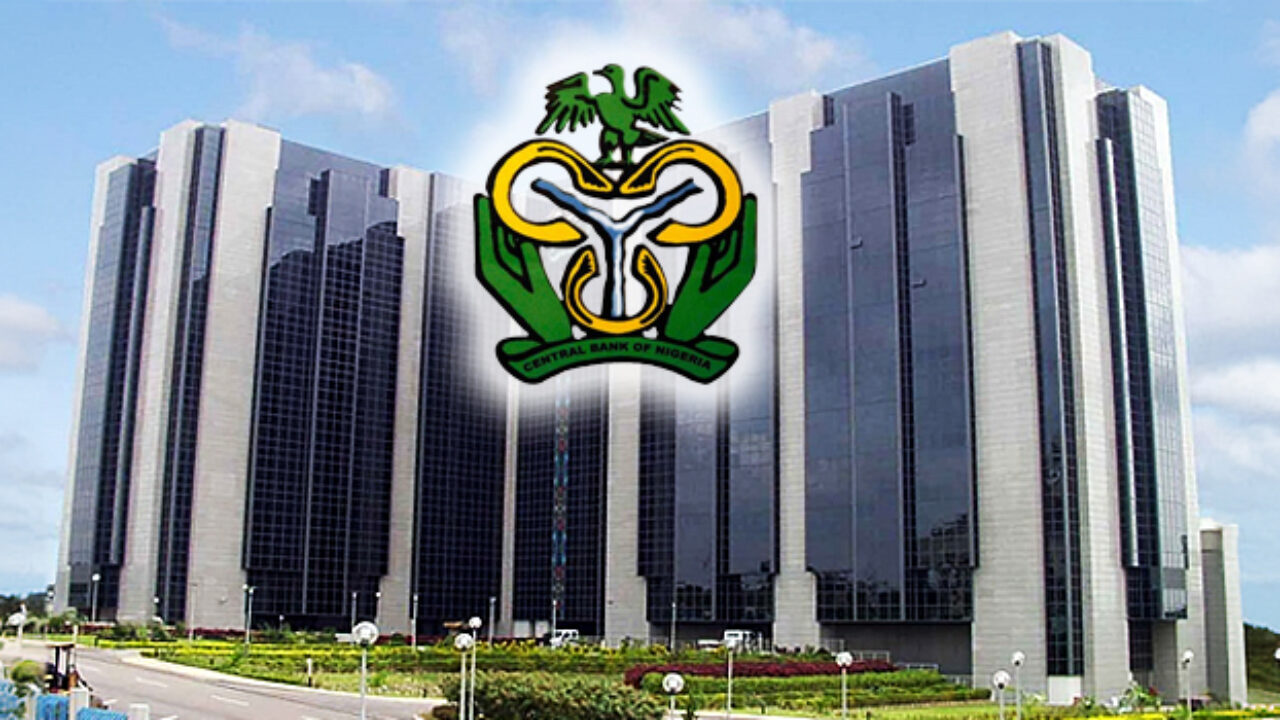
Nigerian lenders are pulling back from the central bank’s safety net. Banks and merchant banks slashed their deposits with the Central Bank of Nigeria (CBN) by 28 per cent in April 2026. This retreat follows a decision by the Monetary Policy Committee to cut the headline interest rate to 26.5 per cent. Total deposits dropped to N92.32 trillion from a staggering N128.9 trillion in March. The math is simple for bank treasurers. As the regulator lowers the return on risk-free cash, the appeal of leaving money idle at the centre begins to fade.
The shift marks a change in how banks handle their excess liquidity. For months, lenders used the Standing Deposit Facility to earn easy interest on overnight cash. This window became a crowded refuge for banks wary of the risks found in the broader economy. By widening the gap between the main rate and what it pays on deposits, the CBN has made it more expensive for banks to stay lazy. The goal is to nudge this capital toward the private sector. It is a carrot-and-stick approach to lending.
Despite the recent dip, the scale of cash parked at the CBN this year is still immense. Banks deposited N334.95 trillion in the first four months of 2026 alone. This is a massive jump compared to the previous year. It shows that while interest rates are falling, banks still harbour a deep fear of bad loans. Lending to a business in a tough economy is risky. Lending to the central bank is not. This caution has kept the real sector starved of the credit it needs to grow.
While deposits surged over the year, borrowing from the regulator has collapsed. Banks took just N2.2 trillion from the central bank’s lending window in the first four months of 2026. This represents a 95 per cent drop from the same period in 2025. Lenders are flush with their own cash and no longer need to beg the regulator for overnight help. A bank that does not need to borrow is usually a healthy one. However, a bank that refuses to lend is a problem for the government.
Analysts suggest that global tensions are keeping Nigerian bankers on edge. Conflict in the Middle East and energy price swings make for an unstable backyard. When the future looks murky, banks prefer the certainty of short-term placements over long-term capital projects. This flight to safety protects bank balance sheets but hurts the average Nigerian firm. High interest rates are likely to stay as the regulator tries to keep foreign investors interested in the naira. Inflation remains the primary enemy in this high-stakes game.
Economic growth will struggle as long as banks keep their vaults shut to most borrowers. The central bank hopes that by making it less profitable to hoard cash, lenders will finally seek out viable businesses. Households are already feeling the pinch of a rising cost of living. If credit does not flow to producers, prices will stay high. The regulator is walking a tightrope between curbing inflation and sparking a recession. For now, the banks seem content to wait and watch from the sidelines.