
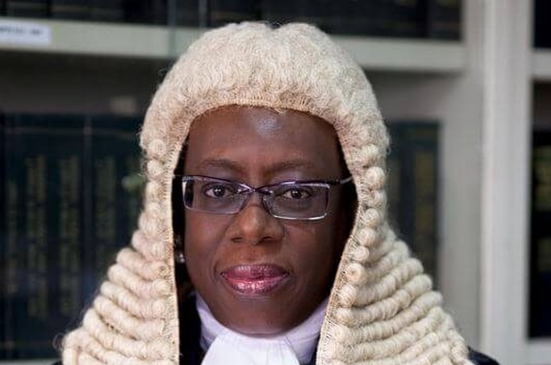
Chief Justice of Nigeria Kudirat Kekere-Ekun inducted 68 legal practitioners into the Inner Bar in Abuja on Monday, 12 October, marking the official opening of the 2026/2027 legal year with the traditional conferment of the rank of Senior Advocate of Nigeria. The cohort comprises 67 court advocates and a single academic, Professor Nnamdi Onyeka Obiaraeri, following selection by the Legal Practitioners’ Privileges Committee at its 174th plenary session. Elite titles multiply each legal season. Mrs Kekere-Ekun used the ceremonial bench to warn that senior silks must protect public faith in a justice system that many ordinary citizens view with deep cynicism.
The annual ritual arrives as federal appellate and trial dockets groan under crushing backlogs of commercial, criminal, and political litigation that stretch disputes across decades. Senior advocates command enormous fees from corporate titans and politicians, yet their presence inside packed courtrooms rarely accelerates the pace of justice. Privilege demands professional duty. Rather than streamlining technical procedures, senior lawyers often exploit procedural technicalities, endless interlocutory appeals, and tactical adjournments to shield wealthy clients from swift judicial reckoning.
The heavy tilt toward courtroom advocates highlights the continued marginalisation of legal scholarship in Nigeria’s judicial development. University law faculties produce the doctrinal research that anchors statutory interpretation, yet selection committees persistently treat academic jurists as an afterthought when handing out silk robes. Practical litigation always trumps scholarly rigour. Legal reform stalls when those who interrogate the philosophy of law remain shut out from its most influential professional guild.
Mrs Kekere-Ekun’s leadership of the Supreme Court faces severe institutional hurdles, ranging from dilapidated physical infrastructure and low judicial pay to widespread accusations of corrupt influence during high-stakes election appeals. Gilded ceremonies and silk robes cannot conceal crumbling court registries where clerks still record witness depositions by hand in dusty paper ledgers. Pomp shields deep administrative decay. The bench cannot command genuine respect across the country while primary court registries lack reliable electricity and basic digital filing systems.
The new silks now step into an exclusive cartel that exercises immense sway over the appointment of judges, the discipline of errant lawyers, and the broad direction of Nigerian jurisprudence. Rank brings immense commercial leverage. Unless these senior advocates deploy their immense standing to purge corrupt middlemen from court corridors, clean up election petitions, and defend the rights of penniless defendants in squalid remand prisons, Monday’s ceremony will remain an exercise in professional self-congratulation while the rule of law languishes.