


Elumelu Rebuff Sparks Corporate Etiquette Debate
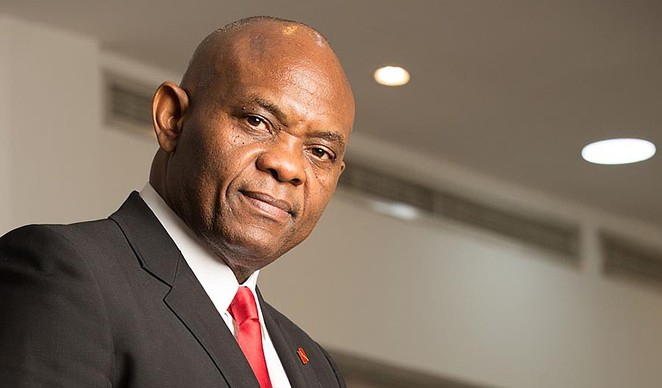
Tony Elumelu drew a sharp line under corporate informality during a graduate trainee event in Lagos on Thursday. A young participant stood up and greeted the billionaire banker with a casual “Good morning, Tony”. The chairman of United Bank for Africa promptly rejected the greeting, telling her to use “Mr Elumelu” or his corporate initials, “TOE”. He explained that he does not subscribe to foreign social affectations in African boardrooms. The brief public exchange went viral across Nigerian social media within hours. Corporate titles still matter in Lagos.
The clash exposes a widening generational fault line across Nigeria’s modern services sector. Multinationals and tech start-ups actively push Western flat hierarchies where interns address chief executives on first-name terms. Traditional African business houses view that unearned familiarity as outright disrespect toward seniority. Nigerian corporate culture remains deeply rooted in age-based deference and statutory rank. Younger workers often mistake digital work culture for universal social permission. Context dictates boardroom manners every single day.
Public opinion showed a split between cultural traditionalists and modern corporate professionals. Supporters argued that basic social intelligence requires junior staff to show deference in formal public settings. They noted that even Western corporate giants expect young staff to establish professional rapport before dropping formal titles. Presidential aides quickly cited historical parallels of literary figures rebuking students over casual address. Cultural heritage resists wholesale Western mimicry. Etiquette protects professional boundaries from erosion.
Critics countered that rigid corporate hierarchies stifle open communication and slow down operational feedback loops in modern firms. Many knowledge-based industries deliberately dismantle formal titles to encourage candid dissent from junior analysts. They argue that fear of offending senior managers often conceals operational blunders and poor strategic decisions. Forcing young hires to navigate feudal deference codes creates unnecessary workplace anxiety. Yet Elumelu offered a pragmatic compromise by accepting his corporate moniker, TOE. Initials bridge formal respect and modern branding.
The incident highlights the tricky social navigation required of Nigerian professionals working in globalised industries. Local employees absorb foreign management literature that preaches radical informality and casual executive access. They then apply those Silicon Valley habits directly to conservative domestic conglomerates with predictable friction. Navigating local cultural norms remains as vital as technical competence. While social agility makes or breaks corporate careers, smart operators read the room quickly.
Western management fads will continue to collide with African corporate realities as younger cohorts enter the workforce. Nigerian executives happily import American technology, capital structures, and audit standards into their firms. They firmly reject the casual social mores that accompany those corporate imports from California or London. True African capitalism insists on blending global commercial rigour with indigenous cultural respect. Elumelu simply reminded his new cohort of that unwritten boardroom rule. Power commands its own terms.