
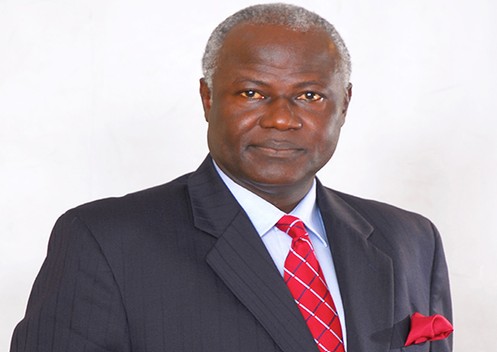
Former Sierra Leonean President Ernest Bai Koroma returned to Freetown on Sunday, 6 September 2026, after spending more than two years living in Nigeria. His flight home brings a quiet close to a bitter political standoff that once threatened to tear his country apart. Former Nigerian President Goodluck Jonathan saw his old friend off in Abuja, praising the quiet talks that paved the way for his return. Nigeria’s Foreign Minister, Bianca Odumegwu-Ojukwu, and former President Olusegun Obasanjo flew with Koroma to ensure his safe arrival in the capital. President Bola Tinubu ordered the high-level escort to show Nigeria’s firm commitment to regional order. The Economic Community of West African States helped broker the compromise over many months of difficult private talks. Koroma returns home as a free citizen rather than an exile. Regional diplomacy works best when leaders keep discussions behind closed doors. African elder statesmen still hold considerable sway across the region.
The roots of the crisis go back to November 2023, when armed men launched a bloody assault on Freetown. The attackers stormed an army armoury, two military barracks, two major prisons, and two police stations in a bid to seize power. At least twenty-one people died in the street battles before loyalist troops managed to regain control of the city. Hundreds of convicted inmates broke out of prison cells during the confusion. President Julius Maada Bio’s government branded the uprising a planned coup attempt and pointed an accusing finger at his predecessor. Prosecutors soon charged Koroma with treason and several related security offences. A military court later handed heavy prison terms of up to one hundred years to twenty-four soldiers and Koroma’s former bodyguard. Bitter political rivalries often turn violent in young democracies. Accusing an ex-president of treason raises the political stakes dangerously high.
Nigeria intervened in January 2024 to pull the neighbouring country back from the brink of civil conflict. Abuja offered Koroma temporary medical asylum to give all parties room to calm tensions. That tactical retreat allowed President Bio to consolidate domestic control without triggering an armed uprising among Koroma’s northern supporters. During his two years in Nigeria, Koroma kept a low profile and avoided public political rows. He lived quietly as a guest of the state while regional envoys shuttled between capitals. Nigerian authorities provided security, housing, and diplomatic cover to keep the former leader safe. Jonathan served as a discreet backchannel between Freetown and Abuja throughout the long exile. Safe havens give fiery politicians time to think clearly. Cooler heads eventually prevailed in both capitals.
The breakthrough came in July 2026, when Sierra Leone’s Ministry of Justice dropped all treason charges against Koroma. The state gave no formal public explanation for ending the criminal case. Discontinuing the trial removed the legal threat of life imprisonment or the death penalty. Vice-President Mohamed Jalloh travelled to Koroma’s home town of Makeni on Friday to prepare residents for the homecoming. Jalloh told local chiefs that the state welcomed the former president back in the spirit of national peace. Dropping the charges showed that political pragmatism had finally beaten legal retribution. Bio recognised that putting a popular former president in the dock carried terrible security risks. Forgiving an opponent is often cheaper than prosecuting him. Political settlements trump legal purism every single time.
The timing of Koroma’s return reflects shifting political math ahead of Sierra Leone’s 2028 general elections. Bio approaches the end of his final constitutional term and wants to secure a peaceful legacy. The ruling Sierra Leone People’s Party faces mounting voter anger over food inflation and currency weakness. Koroma still holds immense sway inside the opposition All People’s Congress, especially across northern and western districts. Bringing him home under controlled terms helps neutralise opposition claims of state persecution. A bitter opposition locked outside the country presents a far greater security risk than a rival sleeping at home. Bio wants to show foreign donors that his government can manage peaceful political transitions. Incumbents often build bridges when their own terms near an end. Managed peace serves the interests of both major parties.
Nigeria’s hands-on role in the return underlines Abuja’s desire to reassert its leadership in West Africa. Recent military coups in Mali, Burkina Faso, and Niger dealt heavy blows to Nigerian regional prestige. The military juntas walked out of ECOWAS, leaving the regional bloc weak and divided. By resolving the Sierra Leonean deadlock through patient talks, Abuja proves that civilian diplomacy can still deliver results. Flying Obasanjo and Odumegwu-Ojukwu into Freetown sent an unmistakable signal of Nigerian power. Small West African states still look to Nigeria to guarantee constitutional stability. Tinubu’s government used this mission to repair diplomatic standing damaged by regional security crises. Strong nations project stability beyond their own borders. Soft power matters when armed soldiers challenge ballot boxes.
Yet Koroma returns to a nation that remains deeply suspicious of elite bargains. Ordinary citizens wonder why rank-and-file soldiers received century-long prison sentences while the man accused of inspiring them walks free. The families of the twenty-one people killed in the November attacks have received little real justice. Elite impunity remains a toxic poison in West African politics. Powerful men cut quiet deals in foreign capitals while poor foot soldiers rot in prison yards. The deal keeps the peace today but chips away at public trust in the rule of law. National reconciliation rings hollow when justice applies only to the weak. Peace purchased through elite compromise always carries a hidden moral cost.
The true test of this diplomatic pact begins now that the aeroplanes have left Freetown. Koroma must decide whether to stay out of frontline politics or run the opposition machine once again. If he uses his freedom to stoke regional divisions ahead of the 2028 elections, the old enmity will flare up quickly. Bio’s security chiefs will watch his every visitor and public speech with deep suspicion. Nigeria cannot babysit Sierra Leone’s political leaders forever. The two old rivals must find a way to live in the same country without reaching for weapons. Real reconciliation requires mutual restraint rather than just fine words at airports. Koroma has returned to his ancestral home at last. Keeping the peace is now up to him.