
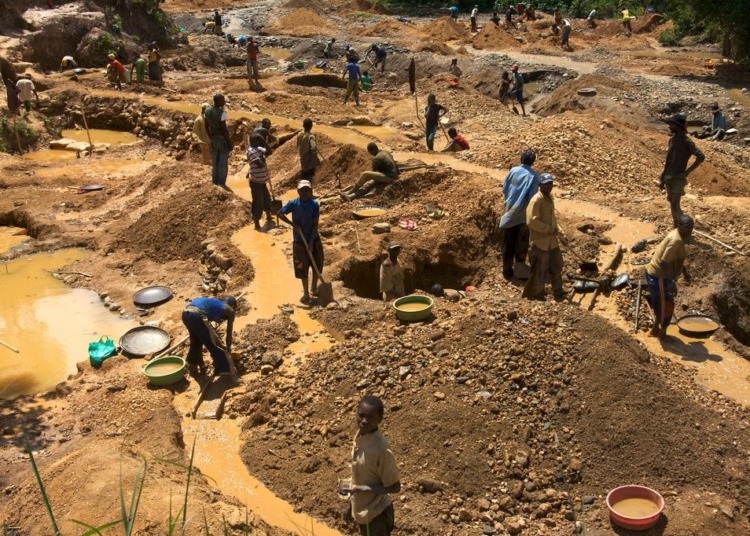
Four informal miners, including three women and a man named Mallam Fahad Aliyu, died on Tuesday afternoon when an unstable tin excavation pit collapsed on them in the Bokkos Local Government Area of Plateau State. The accident occurred around twenty past two along a riverbank in the Tangur community, trapping the workers beneath several tonnes of wet soil before nearby labourers could clear the debris. Soldiers from Operation Enduring Peace arrived at the scene shortly after distress calls went out, but recovered only corpses from the trench. Relatives collected the remains for immediate Islamic burial before civil authorities could launch formal forensic inquiries. Poverty pushes rural labourers underground.
The immediate administrative response revealed the institutional blindness that governs informal mining across central Nigeria. The local village head told army investigators that he had no knowledge of any mining ventures operating along the riverbank in his domain. That implausible claim reflects a familiar survival strategy among traditional leaders who routinely protect lucrative, untaxed extractive syndicates from federal inspectors. Meanwhile, Plateau State police spokesman Alfred Alabo admitted that the command had received no formal briefing on the deaths. The local council chairman also ignored repeated telephone calls from reporters seeking comment.
Informal tin extraction remains an unregulated trade that thrives on administrative neglect and rural desperation. Subsistence farmers abandon dry fields to claw cassiterite from open trenches with crude pickaxes and plastic buckets. These makeshift sites ignore basic engineering standards, lacking soil shoring, drainage pumps, or hard hats. When seasonal rains soften the steep walls of the pits, catastrophic cave-ins follow with dreary regularity. Safety rules exist only on paper.
The Plateau tragedy follows a string of industrial disasters that mock federal promises to overhaul solid minerals regulation. Just four days earlier, five informal miners perished inside a collapsed pit in Bali, Taraba State, while thirty-seven detainees died under murky circumstances in Niger State following an anti-mining sweep by civil defence paramilitaries. Solid Minerals Minister Dele Alake has spent months talking about sanitising mining corridors with specialised marshals and commercial licensing schemes. Yet federal power barely registers in remote riverbeds where private middlemen buy raw ores for a fraction of global market prices.
Abuja cannot formalise rural mining while treating artisanal diggers as shadowy outlaws rather than vulnerable workers. When the state relies on sporadic military raids rather than technical field extension and cooperative formation, it simply drives dangerous practices deeper into the bush. Hundreds of thousands of rural citizens depend on these deadly holes to feed their households amid record food inflation. Those miners will continue to risk live burial until the state offers secure gear, proper technical oversight, and legal paths to market. Regulatory silence carries a mortal price.