
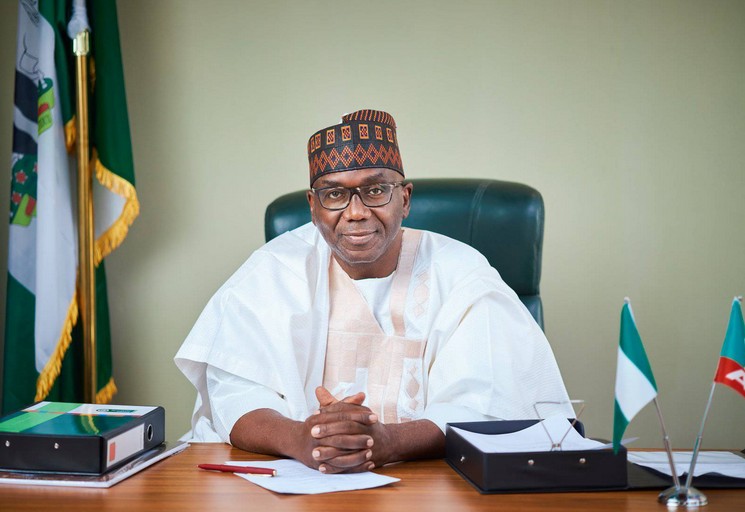
The Nigeria Governors’ Forum has asked President Bola Tinubu to consider raising the national minimum wage to 100,000 naira. Kwara State Governor AbdulRahman AbdulRazaq, who chairs the forum, proposed a weekend meeting at the presidential residence in Lagos. The governors cite relentless inflation and the soaring cost of living as major reasons for the upward review. The request comes two years after the federal government set the statutory minimum wage at 70,000 naira. This intervention signals a growing recognition among state executives that current worker pay is entirely inadequate.
State leaders are currently negotiating with organized labour and the federal government to find a sustainable wage model. Many state governments acknowledge that their employees face severe financial misery under the current economic climate. However, the governors remain anxious about their underlying fiscal capacity to fund a higher wage regime consistently. Subnational governments must balance better pay against their primary duties to build infrastructure and maintain public services. Most states already struggle to find any significant capital left after meeting their monthly payroll obligations.
The proposal represents a dramatic shift in how the governors view the country’s precarious economic state. Interestingly, AbdulRazaq revealed that state executives fully expected massive public riots following the removal of the petrol subsidy. Governors even deployed emergency security forces across the country to suppress anticipated citizen anger. The feared chaos never materialized, which state officials interpret as public tolerance for tough economic medicine. Yet, the persistent erosion of worker purchasing power has forced the political class to reconsider its conservative fiscal stance.
Sustaining a higher national wage floor will require permanent improvements in state revenues. While the subsidy removal increased federal allocations to states, inflation quickly consumed those financial gains. The governors argue that they are no longer taking commercial loans or issuing bonds just to pay salaries. This improved fiscal position gives them some room to discuss better remuneration for the public workforce. Still, critics worry that a wage increase might trigger another round of domestic price hikes.
The federal administration now faces the delicate task of managing these rising economic demands. Organized labour continues to complain that any wage increase means very little without structural stability for the local currency. Trade unions rightly argue that a weak naira erodes the real value of any concession the government makes. Tinubu must decide whether the treasury can absorb this latest proposal without worsening the national deficit. Finding a balance between political survival and fiscal reality remains the defining challenge for Abuja.