
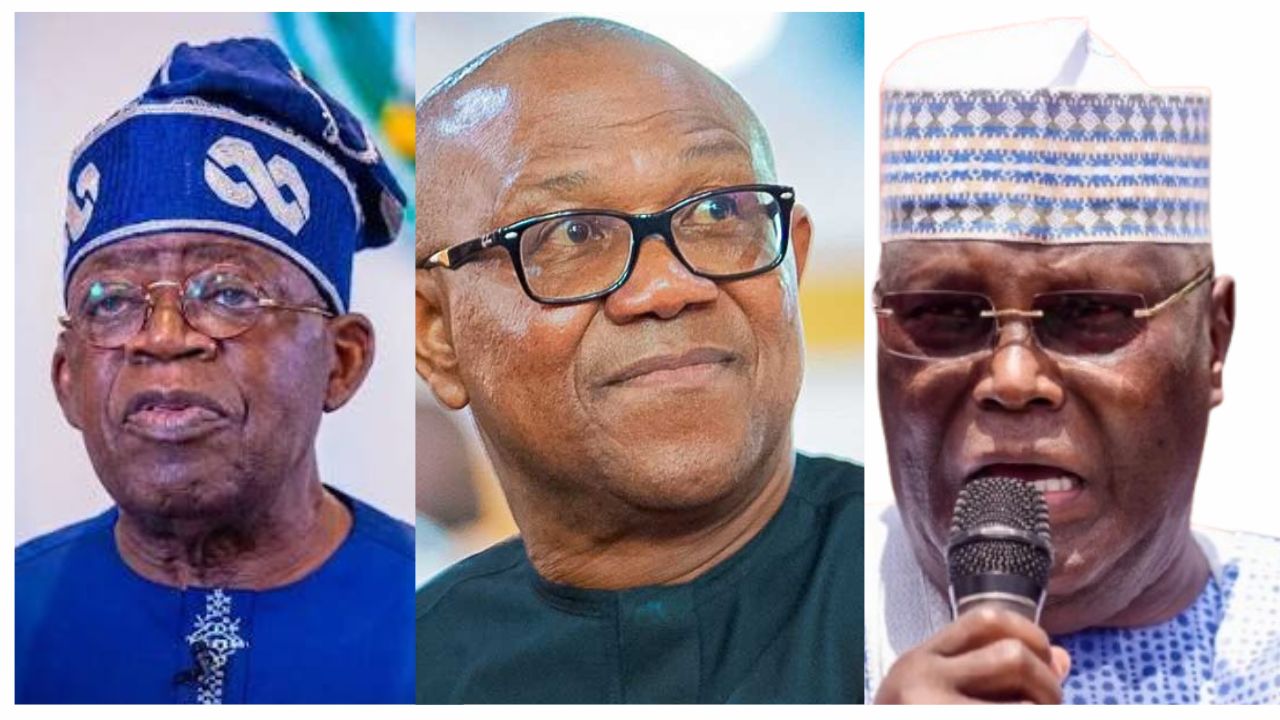
Reports of consultative gatherings between prominent opposition figures, Atiku Abubakar, Peter Obi, Rabiu Kwankwaso, and Seyi Makinde, have once again reignited talk of a grand political coalition ahead of the 2027 general election. The underlying logic is simple arithmetic: aggregate the votes of the People’s Democratic Party (PDP), the Labour Party (LP), and the New Nigeria People’s Party (NNPP) to unseat the ruling All Progressives Congress (APC).
Yet, this mathematical approach to power ignores the basic lesson of Nigeria’s recent political history. Numbers on paper do not automatically translate into cohesive governance or sustained electoral power. Without a unified economic policy and a shared structural philosophy, any hurriedly assembled front remains vulnerable to internal collapse long before ballots are cast.
Tactical Mergers vs Ideological Clarity
The current opposition narrative relies almost entirely on public frustration with ongoing economic reforms, currency devaluation, and rising living costs. Anti-incumbency is an effective rally cry during campaigns, but it is a weak foundation for a political party.
The structural flaw of Nigerian opposition politics is its tendency to prioritise tactical mergers over ideological clarity. The ruling APC itself was birthed in 2013 through a similar merger of regional blocs united primarily by their desire to remove an incumbent president. While that strategy achieved its immediate electoral objective in 2015, the resulting administration struggled for years with internal factional rivalries, conflicting economic doctrines, and policy paralysis.
Today’s opposition figureheads are repeating those same errors. By focusing discussions on ticket sharing, zoning arrangements, and candidate selection, they overlook the core conflict: what specific, alternative policy framework are they offering the electorate? A merger driven solely by personal ambitions and opposition sentiment creates fragile alliances that break apart under the strain of office.
The Failure of Previous Mergers and the Strategic Trap
Previous coalition efforts in Nigeria failed because they treated political parties as mere vehicles for election day rather than institutions for policy formulation. In 2023, the inability of Atiku, Obi, and Kwankwaso to find common ground split the opposition vote three ways, giving the ruling party a clear path to victory with a minority mandate.
The current dialogue shows little sign that these leaders have changed their approach. Instead of building a durable platform grounded in clear principles, the conversation remains stuck on who will lead the ticket. This approach plays directly into the hands of the incumbent administration, which commands vast patronage networks and the institutional weight of the federal state. A coalition built on arithmetic rather than substance is easily disrupted by targeted political horse-trading and regional patronage.
Fiscal Alternatives over Public Discontent
To offer a genuine alternative, the opposition must move beyond criticising executive decisions and present concrete fiscal solutions. It is not enough to denounce subsidy removals or exchange rate unifications; the opposition must articulate how it intends to manage public finance, industrial expansion, and national debt.
A credible alternative framework requires a clear stance on sub-national economic development. Nigeria’s fiscal architecture remains over-centralised, leaving state governments reliant on monthly allocation handouts from Abuja. The opposition should propose a decentralised economic model that transfers greater revenue-generating authority and regulatory power to states and regional economic blocs.
By detailing specific policies on agriculture, energy grid devolution, and regional infrastructure funds, the opposition can transform itself from a collective of aggrieved politicians into a government-in-waiting. Voters need to see how a new administration would handle inflation and fiscal deficits differently, rather than just hearing complaints about current conditions.
Patronage, Zoning, and Electoral Mechanics
The feasibility of a multi-party coalition is continually tested by Nigeria’s deep-rooted patronage systems and informal zoning conventions. Political power in Nigeria is organised around regional representation and elite consensus.
When a coalition operates without a clear ideological commitment, regional zoning disputes inevitably turn toxic. Leaders feel compelled to demand the top spot on the ticket to satisfy their regional bases, treating any compromise as a total defeat.
Overcoming this requires shifting the political debate away from individual candidate origins and toward structural reform. If a coalition commits to constitutional amendments that permanently decentralise power and resources, the identity of the presidential candidate becomes less central to regional survival. Without this structural shift, regional patronage networks will continue to fragment the opposition whenever a presidential ticket is declared.
The Strategic Option?
The path to 2027 cannot simply be a rerun of 2015’s anti-incumbent coalition strategy. Nigeria’s socio-economic challenges are far too severe for a political alliance that lacks an economic roadmap.
If Atiku, Obi, Kwankwaso, and their allies wish to build a lasting political vehicle, they must abandon the obsession with coalition math and begin the hard work of policy development. They must offer a clear, coherent vision for restructuring the economy, strengthening sub-national governance, and repairing state institutions.
Until the opposition presents a distinct structural alternative, its meetings in Abuja will remain little more than strategic posturing. Elections are won by votes, but governments succeed on ideas. If the opposition cannot agree on how to govern before it takes power, it will remain unprepared to lead even if it manages to win.