
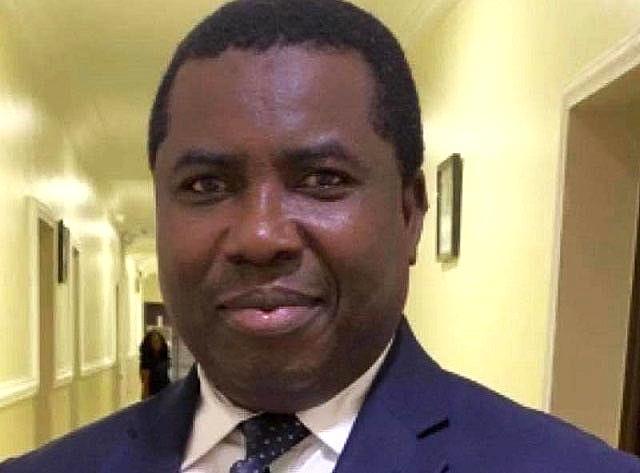
The Independent National Electoral Commission moved swiftly on Wednesday, 16 September 2026, to quell mounting opposition hysteria regarding the whereabouts of its chairman, Joash Amupitan. Official spokesmen confirmed that the electoral boss travelled outside Abuja on an approved international mission to represent Nigeria at an institutional conference. The clarification directly answers a barrage of questions from the Obidient Movement and allied opposition blocs. Critics raised immediate alarms earlier in the week when National Commissioner Rhoda Gumus appeared as Acting Chairman to receive continental delegates from the African Union. Commission insiders dismissed the political outcry as manufactured noise and reaffirmed that temporary administrative delegations remain routine inside the civil service. An electoral umpire cannot remain chained to a physical desk in the federal capital. Normal bureaucratic machinery must function uninterrupted.
The controversy started when the commission shared photographs of Mrs Gumus leading talks with an African Union Pre-Election and Needs Assessment Mission in Abuja on Tuesday. Opposition strategists noticed the acting designation and demanded an immediate public inventory of Mr Amupitan’s travel records, funding sources, and itinerary. Dr Yunusa Tanko, the National Coordinator of the Obidient Movement, openly questioned whether the substantive chairman held secret talks with leaders of the ruling party. Senior officials at the electoral body described that suspicion as hollow paranoia with zero foundation in fact. They confirmed that Mr Amupitan delivered a formal address at his conference and attended statutory working meetings in his professional capacity. Delegating interim operational authority during official travel conforms strictly to statutory civil service standards. Administrative continuity does not signal executive paralysis.
The fierce political skirmish highlights the extraordinary sensitivity surrounding the commission as the 2027 general elections approach. Opposition parties still nurse bitter grievances over procedural disputes, collation delays, and technical failures that marred previous national ballots. Every administrative hiccup or change in personnel now triggers rapid claims of political compromise. When Mrs Gumus sat in the chair, critics immediately recalled past controversies surrounding her initial confirmation in the Senate. They suspected a quiet palace coup or an unannounced political realignment inside the electoral commission’s headquarters on Zambezi Crescent. In a fractured polity, even routine professional travel invites dark partisan speculation. Suspicion remains the default currency in Abuja.
Internal staff at the commission voiced deep exasperation over the attempt to turn an everyday conference into a national constitutional emergency. Speaking on condition of anonymity, a senior director asked whether an agency head loses the legal right to travel on state business without igniting a political tempest. The official noted that senior public servants routinely pass temporary executive reins to colleagues whenever overseas engagements arise. Mr Amupitan assumed office in late 2025, promising structural audits, administrative discipline, and complete openness. His staff insist that his international schedule supports those institutional goals by engaging with global election networks. Electoral diplomacy forms a vital part of democratic management across the Commonwealth. Modern institutions run on shared protocols rather than the physical presence of one man.
While the chairman travels abroad, the commission continues to roll out major technical reforms to protect the integrity of the next national vote. During her meeting with African Union envoys, Mrs Gumus revealed that the commission is integrating National Identification Numbers into the central voter register. The joint project with the National Identity Management Commission aims to purge double entries, ghost voters, and underage registrants from the database. The commission expects the cleaned register to exceed one hundred million eligible citizens before balloting commences. Technicians will deploy that massive roll across 176,846 polling units nationwide. Building an unassailable identity database matters far more to electoral integrity than the whereabouts of a chairman on a given Tuesday. Logistics require relentless execution.
The political uproar exposes a deeper institutional problem that no public relations campaign can quickly mend. Trust between the electoral umpire and major political parties has collapsed almost entirely over the last three years. The opposition treats every quiet official step as an attempt to rig outcomes before voters reach the ballot box. By keeping silent during the initial handover, the commission gave its detractors ample room to spin sinister conspiracy theories. Better institutional communication could easily neutralise such political flare-ups before they dominate the news cycle. A transparent commission should announce leadership travels proactively through official press releases. Silence simply feeds the outrage industry.
The political fallout offers Mr Amupitan a sharp reminder of the tightrope he must walk over the next eighteen months. Every foreign trip, administrative shuffle, and procedural memorandum will face harsh public cross-examination. Opposition parties will challenge the umpire at every turn, watching for any sign of partisan bias or administrative drift. The chairman must return from his international assignment and demonstrate firm, visible control over election preparations. He cannot afford to let administrative opacity distract from crucial technical preparations like the biometric register audit. The electorate demands a steady, transparent arbiter who operates in plain sight. Credibility requires absolute clarity from start to finish.