
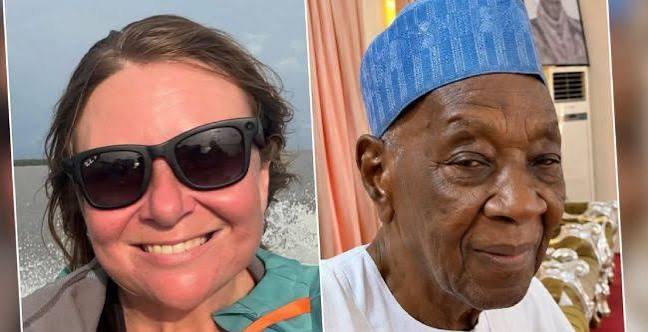
The Katsina State Government has constituted a nine-member committee to investigate allegations of sexual assault against the Emir of Daura, Alhaji Umar Faruk Umar, giving the panel four weeks from its inauguration to submit its findings and recommendations.
Governor Dikko Umaru Radda approved the committee following public concern over allegations made by a foreign tourist who visited the Emir’s palace. The investigation is expected to establish the circumstances surrounding the visit, examine available evidence and determine whether there are grounds for disciplinary action against the traditional ruler.
The Commissioner for Information and Culture, Dr Bala Salisu Zango, announced the development in a statement on Thursday, November 26, 2026, reaffirming the government’s commitment to ensuring justice based on the findings of the investigation.
Retired Justice Amiru Sanusi will chair the committee, while the Attorney General and Commissioner for Justice, Fadila Muhammad Dikko, will serve as secretary.
Other members are retired Justice Sadiq A. Mahuta, the Galadiman Katsina; Special Adviser to the Governor on Chieftaincy Affairs, Usman Abba; Commissioner for Religious Affairs, Isah Dabai; and Lawal Aliyu Daura.
Also appointed are Professor Halima Kabir of the Department of Languages and Cultures, Ahmadu Bello University, Zaria; Zango; and Khadija Abdulkadir, an economic diplomacy adviser to the Kingdom of Belgium.
The government outlined eight terms of reference for the committee, including examining documents, records and other evidence connected to the allegations, inviting relevant witnesses and establishing the original purpose of the tourist’s visit.
The panel is also expected to recommend appropriate disciplinary measures where wrongdoing is established and propose safeguards against similar incidents in the future.
The announcement comes two days after the state government suspended the Emir’s official engagements and travels pending an investigation. The restrictions do not amount to his removal from the throne, nor do they establish his guilt.
The controversy began after Polish tourist Mirka Czee alleged that the monarch sexually assaulted her during a visit to his palace on November 14, 2026. She subsequently published footage of the encounter on social media, saying she had recorded parts of the interaction using smart glasses.
Czee said the visit formed part of a 30-day tour of Nigeria. She maintained that the alleged incident was the only experience of sexual harassment she encountered during her travels across the country.
The Daura Emirate Council subsequently announced an internal review to determine the authenticity of the footage. Its spokesperson, Ibrahim Murtala Daura, indicated that the council would communicate its position following the review, while the allegations remain unproven.
Amnesty International Nigeria has called for an impartial investigation and condemned threats and online harassment directed at the tourist following the publication of her account.
The controversy has already prompted changes to the administration of traditional institutions in Katsina. On November 25, the government directed traditional rulers across the state to obtain official clearance before receiving foreign visitors at their palaces.
Under the directive, approval must be obtained through the relevant protocol and security departments under the Office of the Secretary to the State Government. The authorities explained that the measure was intended to strengthen security coordination and ensure compliance with official procedures.
Umar ascended the Daura throne in February 2007, making him one of the longstanding traditional rulers in northern Nigeria, with nearly 20 years on the throne.
The government’s investigation marks a significant development in a controversy that has raised questions about accountability within traditional institutions, the protection of visitors and the handling of misconduct allegations involving prominent public figures.
Although the committee includes retired judicial officers, its appointment does not constitute criminal proceedings against the Emir. Any criminal liability would have to be determined through the appropriate legal process, with the rights of both the complainant and the accused protected.
The government has urged members of the public to refrain from actions or statements capable of compromising the investigation or placing undue pressure on the committee.
For now, the Emir’s official activities remain suspended, with further administrative decisions expected to be guided by the committee’s findings.