
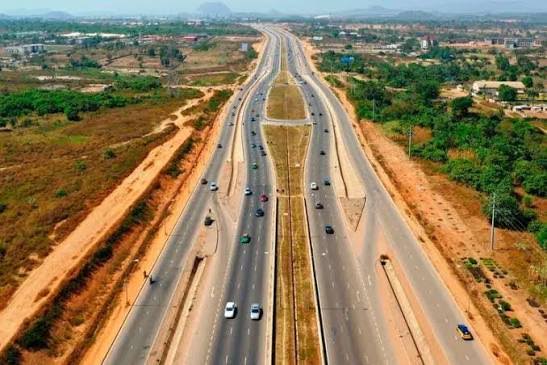
The construction of Nigeria’s Lagos-Calabar Coastal Highway is reshaping investment conversations across parts of the country’s southern coastline, with real estate developers, planners and investors watching closely for possible changes in land values, housing demand and commercial activity.
The highway, one of Nigeria’s major ongoing infrastructure projects, is expected to create a new transport corridor linking Lagos with Cross River through several coastal states. Beyond transportation, the project has triggered discussions about how improved connectivity could influence economic activities and property development along the route.
However, while investors are positioning for possible opportunities, experts caution that infrastructure-driven property growth depends on several factors, including planning regulations, land ownership security, economic activity and the actual pace of development along different sections of the corridor.
The renewed attention was highlighted during a real estate discussion organised by Ubosi Eleh & Co., where industry professionals examined the possible impact of the coastal highway on Nigeria’s property market.
The Lagos-Calabar Coastal Highway is planned as a major coastal transport route extending from Lagos to Cross River State. The project is designed to pass through nine states and improve movement along Nigeria’s Atlantic coastline.
Real estate professionals argue that large infrastructure projects often influence development patterns by improving accessibility, reducing travel barriers and encouraging businesses to consider locations previously viewed as less commercially attractive.
Speaking at the forum, Chudi Ubosi, a former president of the African chapter of the International Real Estate Federation (FIABCI) and principal partner at Ubosi Eleh & Co., said the highway could create opportunities in residential, industrial and hospitality real estate.
He identified emerging coastal locations as areas investors may watch for long-term development, particularly where improved transport links could support new economic activities.
According to him, investors exploring the corridor should focus on proper land verification and locations connected to future economic nodes rather than relying solely on speculation.
The possibility of rising land values has become one of the major discussions surrounding the highway.
Real estate consultant Olufemi Oyedele, Managing Director/CEO of Fame Oyster & Co., said some areas around the Lagos-Epe axis had recorded significant increases in property values in recent years.
He attributed the growth partly to infrastructure improvements and the presence of major developments, including the Lekki Deep Sea Port, Lekki Free Trade Zone and industrial projects in the area.
Oyedele stated that property values in Lakowe increased between 2024 and 2026, with reported growth ranging between 66 per cent and 133 per cent for some properties and plots. He also attributed part of the increase to existing economic activities around the area.
However, property experts note that such figures represent specific locations and transactions rather than a universal increase across the entire Lagos-Calabar corridor.
Land prices are influenced by multiple factors, including demand, title security, proximity to infrastructure, economic activity and government planning decisions.
While parts of Lagos have already experienced significant development pressure, experts believe attention could shift towards emerging areas along the wider corridor.
Locations in states such as Ondo, Edo, Delta, Akwa Ibom and Cross River have attracted interest from investors looking for early-stage opportunities.
The argument among some developers is that improved road connectivity could encourage the development of:
residential communities;
logistics centres;
industrial parks;
warehouses;
tourism and hospitality facilities.
Olusanjo Fawole, a partner at Ubosi Eleh & Co., advised investors interested in land banking to prioritise proper documentation, confirm ownership status and understand planned infrastructure routes before committing funds.
Despite expectations of economic benefits, urban planners have warned that infrastructure projects can also create challenges if development happens without proper coordination.
Experts at the discussion noted that uncontrolled development could lead to problems similar to those experienced in some rapidly expanding areas around Lagos, where infrastructure struggled to keep pace with population and commercial growth.
They argued that government planning frameworks would be important in determining whether new communities develop in an organised manner.
Issues such as zoning, environmental protection, drainage systems, transport planning and access roads could influence whether the corridor becomes a sustainable economic zone.
Dr Moses Ogunleye, former president of the Association of Town Planners Consultants of Nigeria, said major infrastructure projects naturally influence investment decisions because they open previously difficult-to-access areas.
He noted that the highway could support tourism, hospitality and commercial activities, particularly along coastal locations.
However, he also emphasised the importance of planning to ensure that development aligns with the infrastructure being created.
The Federal Government has described the Lagos-Calabar Coastal Highway as a strategic infrastructure project aimed at improving connectivity, supporting trade and expanding economic opportunities along Nigeria’s coastline.
The first phase of construction began from the Lagos section, with subsequent development planned across the wider corridor.
For the real estate sector, the highway represents a potential catalyst, but analysts say actual economic transformation will depend on successful completion, complementary infrastructure, investment flows and effective urban planning.
Infrastructure alone does not automatically create a property boom. Sustainable real estate growth usually follows when transport links combine with employment opportunities, commercial activity and reliable public services.
As construction progresses, investors and policymakers will continue to monitor whether the Lagos-Calabar Coastal Highway becomes a major driver of regional development or simply another infrastructure asset requiring further planning support.