
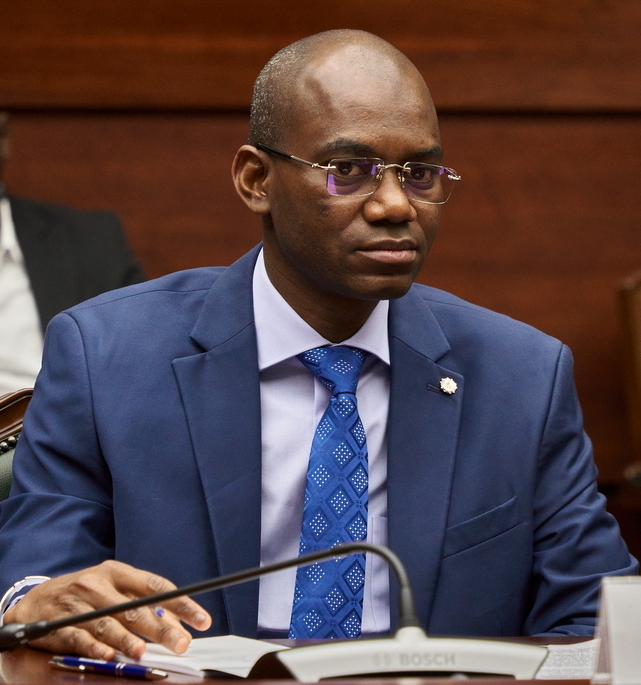
Mali’s Defence Minister, Colonel Sadio Camara, died alongside his wife and two grandchildren in a targeted car bomb attack on his residence in Kita on Saturday. The strike on the junta stronghold outside Bamako marks a critical escalation in the country’s deepening security crisis. The assassination occurred amidst a wave of synchronised, large-scale assaults by Tuareg rebels of the Azawad Liberation Front (FLA) and jihadist fighters from the Group for the Support of Islam and Muslims (JNIM). Violence now rages across multiple fronts, placing the junta under unprecedented pressure.
Fighting continued throughout Sunday in Kidal, Gao, and Sévaré. The situation in Kidal, a potent symbol of state authority retaken by the army only in late 2023, has collapsed. Tuareg rebels announced an agreement securing the withdrawal of Malian army units and their Russian Africa Corps allies from the city. Residents report that rebel forces now patrol the streets. While the government claims to have the situation under control, the scale of these attacks represents the most severe challenge to the junta since its 2020 seizure of power.
The coordinated nature of the strikes suggests a calculated shift in insurgent strategy. Security analysts observe that while rebels sought to reclaim symbolic territory like Kidal, the simultaneous attacks near the capital indicate a desire to stretch state forces to their breaking point. The intensity of the conflict has left dozens wounded and plunged urban centres into a state of acute fear. In Bamako, the military has erected barriers and blocked access to key facilities as jitters spread among the civilian population.
The international response has been swift but limited to condemnation. UN Secretary-General Antonio Guterres expressed deep concern and called for urgent international support to counter the rising tide of extremism in the Sahel. The European Union also denounced the violence. Meanwhile, the Russian Africa Corps, which officially replaced the Wagner Group to support Malian forces, finds its operational capacity in the region under intense scrutiny following the Kidal withdrawal.
Mali’s military leaders have pivoted sharply away from Western security partnerships in favour of closer ties with Russia. This transition, however, has failed to stem the tide of violence that has ravaged the country for over a decade. With the defence minister dead and significant outposts falling to rebel control, the junta’s survival strategy looks increasingly fragile. The loss of Kidal, in particular, exposes the limitations of relying on foreign paramilitary forces to manage a deeply entrenched insurgency.