
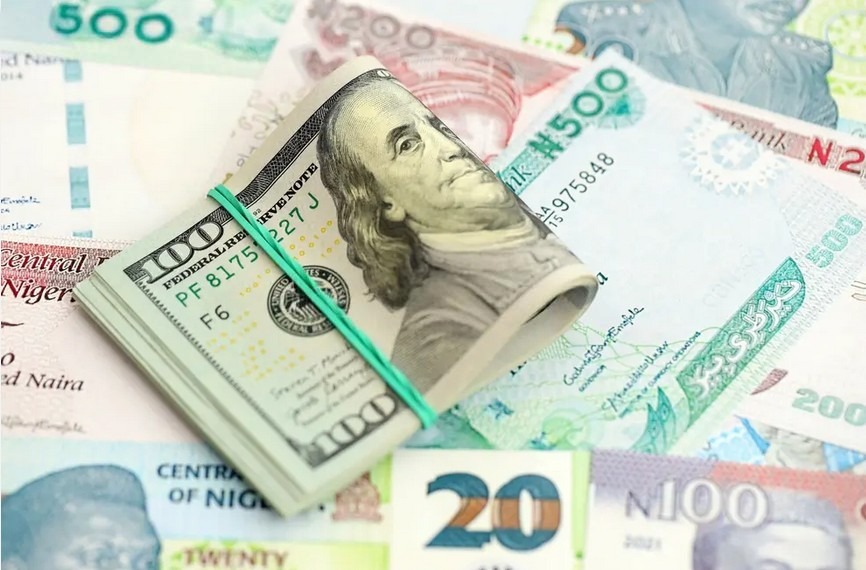
The Nigerian Naira held steady against the American Dollar on Thursday, reflecting a brief moment of calm in the country’s foreign exchange market. Data from the official trading portal showed the local currency traded at an average rate of 1,376.50 Naira to one Dollar. This minor gain followed Wednesday’s closing rate of 1,383.50 Naira at the official window. Market participants attribute the relative stability to improved Dollar supply from the central bank. It is a fragile peace for local businesses. The economy still groans under severe inflation.
Speculators are finding fewer opportunities to exploit the gap between the official and parallel markets. Black market dealers in Lagos and Abuja offered to buy the Dollar at 1,390 Naira while selling at 1,400 Naira. This narrow premium indicates that the central bank’s recent interventions are beginning to discourage currency hoarding. For months, the wide spread between the two markets encouraged arbitrage and distorted pricing. The government has tried to squeeze these illegal operators out of business. Many traders now look to formal channels.
Central Bank Governor Olayemi Cardoso continues to push aggressive monetary tightening to defend the currency. The bank recently raised the benchmark interest rate to 26.50 per cent to curb domestic price pressures. This high-interest-rate environment makes borrowing painful for local firms. However, it succeeds in drawing some foreign portfolio investors back into the domestic bond market. These investors seek high yields despite the country’s sovereign risk. Their capital inflows help prop up external reserves.
The foreign exchange reserves climbed slightly due to these measures and rising crude oil sales. Daily official turnover at the market window exceeded 121 million Dollars on Wednesday, indicating active trade. This represents a decent liquidity pool compared to the dry spells of last year. Local banks can now meet more manufacturing requests for import documentation. Yet, the systemic demand for Dollars remains unsatiated. Importers still face lengthy delays for large orders.
Scepticism remains high among citizens who feel little relief from the exchange rate stability. Food inflation sits above 30 per cent, driving millions of Nigerians deeper into poverty. The price of basic commodities continues to rise because distributors expect future currency devaluations. They do not trust the current government reforms to last. A sudden dip in oil production could easily erase these hard-won gains. The underlying structural weaknesses of the economy persist.
President Bola Tinubu’s administration must deliver structural reforms alongside monetary measures to sustain this recovery. Investors want to see concrete steps toward refining petroleum locally rather than exporting crude. Ending the reliance on imported fuel would significantly reduce the national demand for hard currency. Without these fundamental changes, the Naira remains vulnerable to external shocks. The current stability is merely a tactical victory. The long-term economic battle has barely started.