
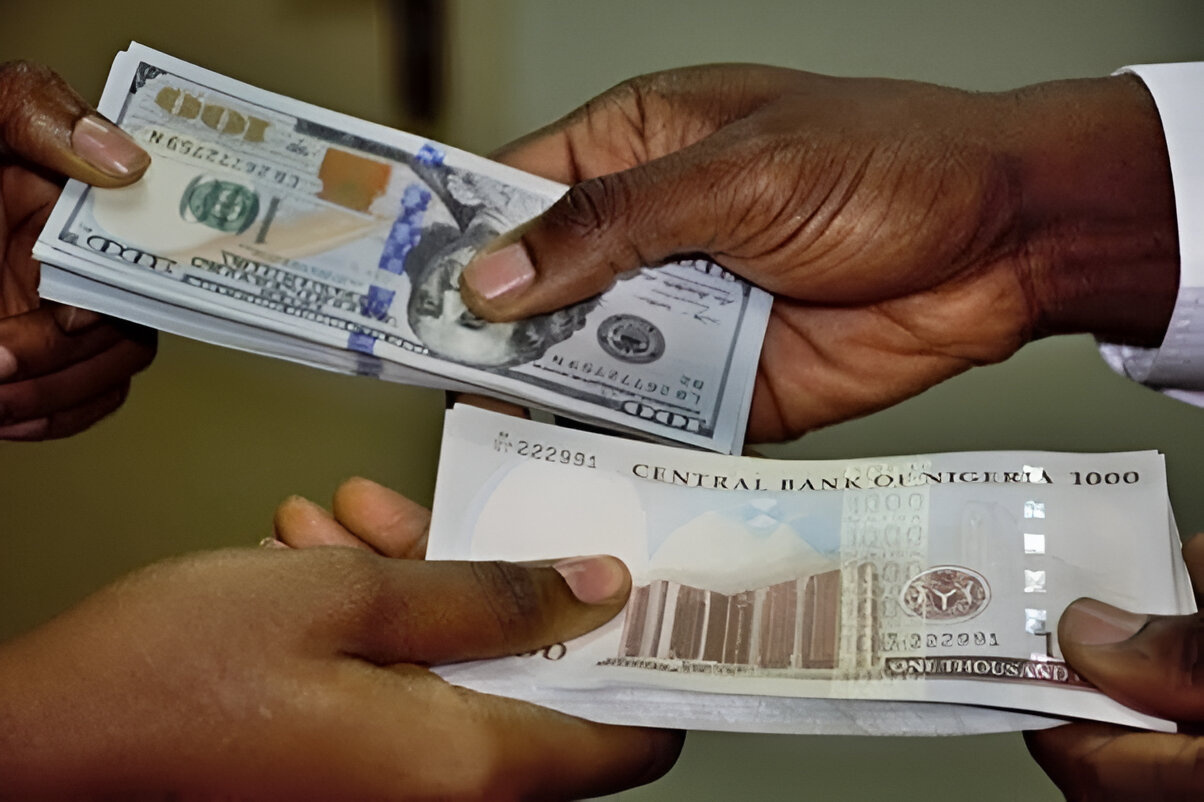
The Nigerian naira opened trading today, holding firm within its familiar N1,360 threshold at the official foreign exchange window. Latest transactional data shows the local currency hovering around N1,360.50 per US dollar at the official Nigerian Foreign Exchange Market. The parallel market mirrors this relative calm, with street traders quoting buying and selling rates between N1,390 and N1,400. This sustained stability follows months of intense regulatory pressure and improved dollar injections by the Central Bank of Nigeria. The sharp, erratic swings that previously defined the local currency market have temporarily abated.
Central bank officials attribute this steady performance to ongoing market-clearing interventions and tighter liquidity rules. By deriving the official benchmark from a strict volume-weighted average, regulators have successfully closed the manipulative spread that previously encouraged arbitrage. Consequently, large corporate buyers are returning to the official banking channels to process their international trade obligations. This structural shift has significantly deflated panic-induced demand within the unofficial parallel market. Yet, maintaining this equilibrium requires continuous dollar inflows that depend heavily on international oil receipts.
Local manufacturing executives remain cautiously optimistic about the current foreign exchange consolidation. A predictable exchange rate allows corporate treasuries to plan import cycles for raw inputs without fearing sudden cost escalations. However, beneath this calm surface lies a persistent undercurrent of domestic inflation that continues to squeeze household purchasing power. The currency’s stabilization at this level means that imported goods remain expensive for the standard consumer, even if prices have stopped climbing. True economic relief requires the local currency to strengthen significantly below current margins.
Speculative trading has dropped noticeably across major commercial hubs in Lagos, Kano, and Abuja. The central bank’s aggressive surveillance of digital fintech payment nodes has made illicit currency hoarding highly risky. Commercial banks are now processing routine invisible transactions, such as foreign school fees and personal travel allowances, with much shorter delays. This improved operational efficiency has restored basic retail confidence in the formal banking ecosystem. Whether public authorities can sustain this high level of liquidity without exhausting national foreign reserves remains a critical concern.
Ultimately, the naira’s current stability is a welcome intermission rather than a permanent cure for Nigeria’s structural fiscal woes. The economy remains dangerously vulnerable to external commodity shocks and shifting global capital flows. Lasting currency strength will arrive only when domestic production shifts from primary extraction to high-value manufacturing and agricultural exports. For now, the monetary authorities have secured a vital breathing space to execute deeper structural reforms. Investors will watch carefully to see if the government uses this stability to build a truly resilient, export-driven economy.