
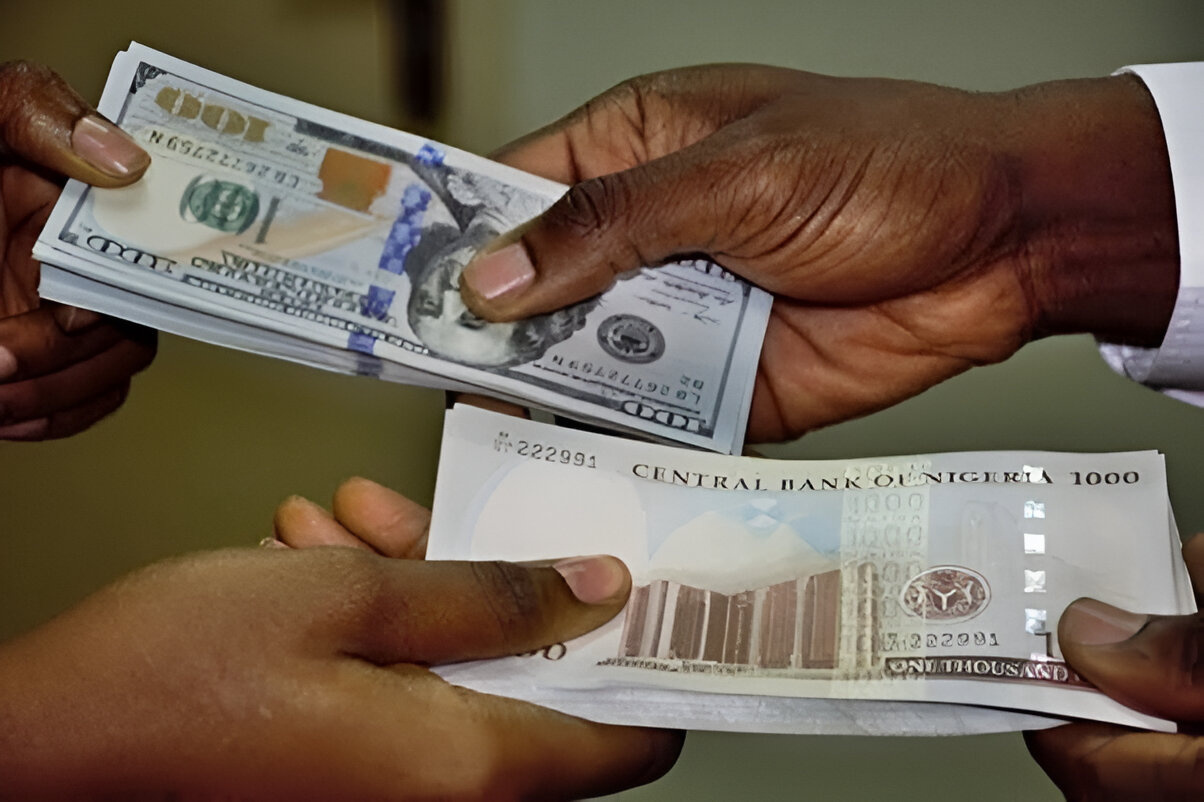
Nigeria’s naira gained ground against the United States dollar on Friday, closing at N1,345 per dollar across the official foreign exchange window. The Central Bank of Nigeria released market data on 30 October 2026 showing a modest five-naira gain from Wednesday’s closing rate of N1,349 per dollar. Tight monetary policy holds the currency steady.
Foreign exchange liquidity improved as daily transaction volumes exceeded 280 million dollars across authorised banking channels in Lagos. Commercial banks met standard import demands without drawing down special intervention reserves from the central bank. Parallel market operators in Abuja and Lagos quoted dollar sales between N1,355 and N1,365 per dollar.
Central Bank Governor Olayemi Cardoso continues to rely on elevated treasury yields to mop up excess domestic cash and defend currency stability. High interest rates attract domestic institutional funds into local government debt rather than speculative dollar hoarding. Foreign portfolio investors have maintained holdings in short-term treasury bills despite rising global interest rates in Western capitals.
High global crude oil prices near 115 dollars per barrel provide essential backing for Nigeria’s current account balance and foreign reserves. Consistent export revenues give monetary authorities sufficient foreign currency buffers to clear legitimate corporate dividends and commercial trade obligations. Domestic manufacturing firms report smoother access to foreign currency for critical raw material imports compared to previous fiscal quarters.
Narrowing spreads between official bank rates and street trading rates continue to curb illicit currency arbitrage across major commercial hubs. Importers now route international payments through formal banking portals rather than risking funds with unlicensed street dealers. Financial analysts expect the local currency to maintain its current trading corridor as seasonal import demands peak heading into December.
Sustaining this currency performance requires steady domestic crude production volumes and strict fiscal discipline from federal authorities. Any sudden drop in global oil prices will test state foreign exchange reserves and challenge current central bank policy settings. For now, high yields and steady export income keep the naira anchored against external headwinds.