
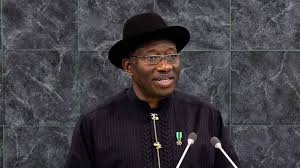
Political associates of former President Goodluck Jonathan have stressed that only the former leader can speak with authority on his political intentions ahead of the 2027 general election. They have warned against individuals or media reports that seek to define his position without clear authorisation.
The position was outlined in a statement by Sam Presto, coordinator of The Goodies Movement, a group that supports the former president. It follows recent media coverage quoting Jude Imagwe, a former presidential aide, who dismissed speculation about Jonathan returning to active electoral politics. The group questioned whether such comments reflected a personal view or an officially sanctioned stance.
Presto stated that supporters and stakeholders within the Jonathan political family deserve clarity. He said only statements issued directly by Jonathan, through designated representatives or recognised channels should be treated as definitive. The media, he added, carries responsibility to verify authority before presenting anyone as speaking for a former head of state. Every comment on his future, whether endorsement or denial, remains individual opinion unless backed by official mandate. Nigerians deserve facts over assumptions and authentic representation over guesswork.
This call comes amid ongoing public discussion about Jonathan’s role in the 2027 contest. In May 2026 supporters gathered at his Abuja residence urging him to contest. Jonathan acknowledged their appeal, noted that he had heard their cries and would consult widely, while emphasising patriotism, national unity and credible elections. No formal declaration followed.
A Federal High Court in Abuja had earlier dismissed a suit challenging his eligibility. The court ruled that Jonathan remains qualified under the 1999 Constitution as amended. It held that the 2018 provision limiting presidential terms does not apply retroactively to his service. Jonathan was born on 20 November 1957. He served as acting president from February to May 2010 after the death of Umaru Musa Yar’Adua and won a full term in the April 2011 election with approximately 59 percent of the votes. He left office in May 2015 after conceding defeat to Muhammadu Buhari, becoming the first sitting Nigerian president to hand over power peacefully to an opposition candidate.
Post presidency Jonathan has maintained an international profile as an election observer and advocate for democratic processes across Africa. Speculation about his return has surfaced in previous cycles, often driven by supporters within the Peoples Democratic Party and allied groups. Such patterns reflect a common feature in Nigerian politics where former leaders attract renewed interest as elections approach.
The Goodies Movement emphasised reliance on verified communications. It urged journalists to establish clear authorisation before attributing positions to political figures. The statement concluded that authentic representation strengthens public trust in the democratic process.