
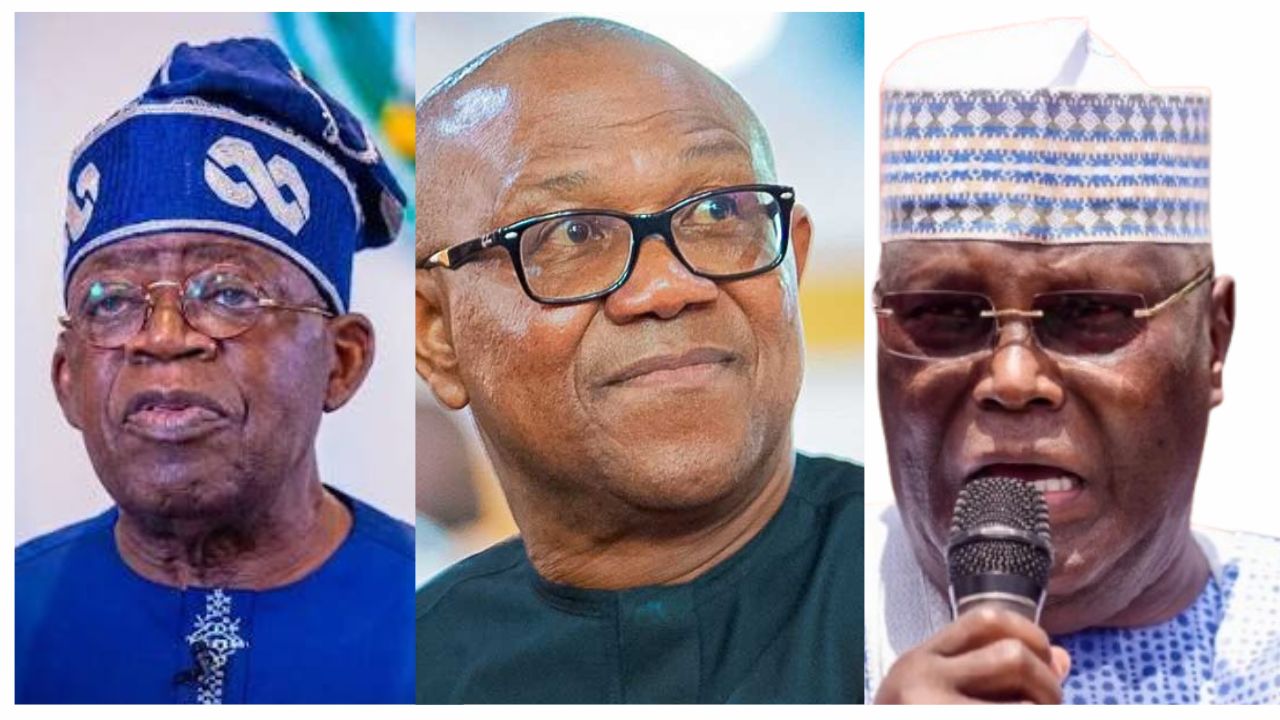
Nigeria’s fragmented opposition parties are tearing at each other ahead of a planned summit to pick a consensus presidential challenger. Factional leaders within the Peoples Democratic Party, the Labour Party, and the African Democratic Congress have publicly disowned the coalition talks. Oyo State Governor Seyi Makinde hosted preliminary parleys at the Government House in Ibadan to unite rival political machines against the governing All Progressives Congress. Yet the initiative triggered immediate resistance from entrenched party chieftains who refuse to surrender their personal ballot tickets. The National Working Committee of the main opposition party described the conveners as unauthorised actors chasing individual relevance. This internal revolt exposes the deep vanity that continues to paralyse the country’s anti-government alliance. Egos routinely trump collective strategy in Nigerian party politics.
The core dispute centres on the refusal of veteran contenders to surrender their individual presidential ambitions. Former vice-president Atiku Abubakar, former Anambra governor Peter Obi, and former Kano governor Rabiu Kwankwaso still command fiercely loyal regional voter blocs. None of these heavyweight figures wants to play second fiddle in a hastily arranged electoral marriage. Their junior lieutenants suspect that the summit serves as a covert vehicle to advance a specific southern governor’s regional ambitions. Factional spokesmen claim the conveners never secured formal approvals from the statutory organs of the participating parties. They view the joint summit as an ambush designed to strip them of leverage before primary season begins. Mistrust remains the defining currency of the entire opposition establishment.
Regional calculations further poison relations among the various factional coordinators across the geopolitical zones. Northern stalwarts within the alliance insist that power must remain in their region to counter the ruling party’s incumbency advantage. Conversely, southern delegates argue that equity demands backing a southern candidate who can win urban swing voters. This geographic tug-of-war mirrors the exact internal fissures that wrecked the opposition camp during the previous general election. Instead of building a coherent economic manifesto, the party managers spend their working days bickering over zoning quotas. Local party chapters in Kano, Kaduna, and Rivers have already issued conflicting communiqués threatening mass defections. When regional pride dictates strategy, political unity becomes a distant dream.
The ruling All Progressives Congress watches these public brawls with evident quiet satisfaction. Government strategists know that a divided opposition guarantees a painless cruise to executive retention. The presidency deliberately exploits these factional rivalries by offering administrative carrots and subtle backchannel overtures to select governors. Federal Capital Territory Minister Nyesom Wike and his loyalists continue to wage open warfare against rival factions within the former ruling party. Their relentless legal challenges and parallel meetings successfully freeze party machinery across key electoral states. The governing party barely needs to campaign when its rivals tear themselves apart in public view. Internal sabotage does the heavy lifting for the incumbents.
Grassroots supporters express mounting anger over their leaders’ failure to build a disciplined alternative front. Millions of young voters who backed third-party movements feel betrayed by these endless ego clashes among aging party bosses. Activists argue that ordinary citizens endure severe cost-of-living pressures while politicians trade insults over summit invitations. Civil society groups like the G100 have tried to force these stubborn contenders to the negotiating table without much luck. The party barons prefer holding press conferences in luxury hotel lobbies rather than organising ward-level voters. Their detachment from street-level hardship alienates the very voters they need to mobilise. A movement without grassroots discipline cannot dislodge an entrenched ruling party.
The technical mechanics of building a unified political platform present another massive legal obstacle. Nigerian electoral laws do not allow a loose coalition to field candidates without a formal, registered merger. Registering a fresh mega-party requires surrendering existing party identities, bank accounts, and executive committees. Most party bosses dread losing their lucrative regional fiefdoms to an unwieldy national collective. They also fear that sudden party mergers invite prolonged court battles from disgruntled party members. These procedural realities turn grandiose summit speeches into cheap public relations stunts. Without deep structural integration, a paper alliance collapses under the slightest legal pressure.
The coming summit in Ibadan will probably produce a hollow communiqué rather than a genuine, binding electoral pact. Prominent absentees will likely hold rival rallies in Abuja and Kano to assert their independent relevance. The opposition leaders will repeat familiar slogans about saving democracy while guarding their private campaign vehicles. Until these politicians accept that defeat is certain without real personal sacrifice, their summitry remains pure political theatre. The ruling party will exploit every crack to maintain its grip on the federal administration. Real political change demands structural unity, not empty photo opportunities. Nigerian voters will ultimately judge the opposition by its deeds, not its endless summit communiqués.