
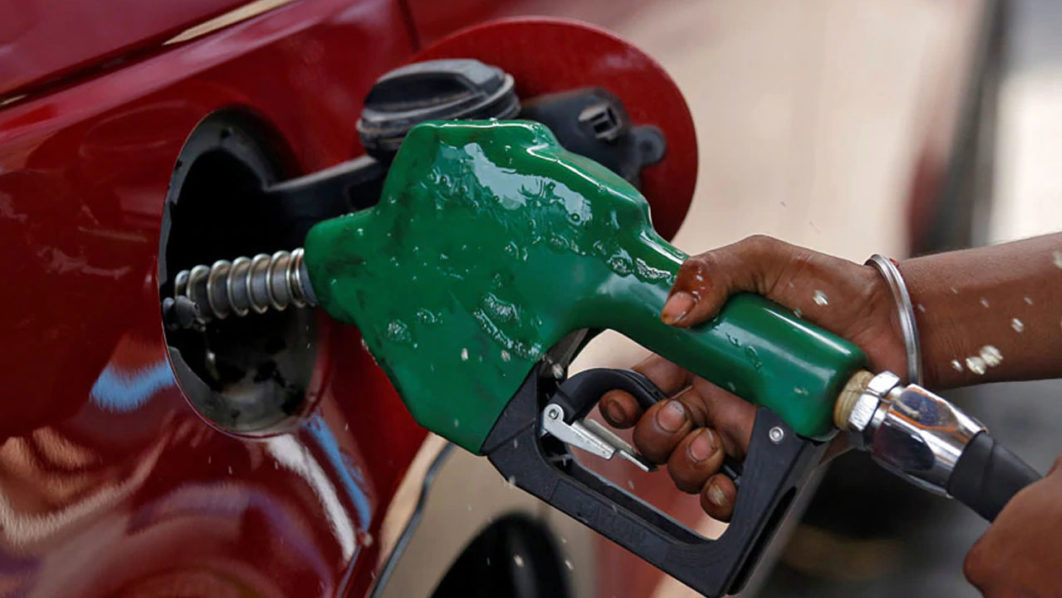
Nigerian motorists and commuters are facing a severe cost-of-living squeeze as retail petrol prices climbed to fourteen hundred naira per litre across major cities. The surge follows a sharp rally in global benchmark crude prices driven by escalating conflict in the Middle East. Rising international oil prices forced domestic refiners and private importers to hike ex-depot rates across coastal terminals. Dangote Petroleum Refinery raised its naira loading price to N1215/litre after ending a brief attempt at dollar-denominated sales. Filling stations nationwide swiftly passed those elevated wholesale costs directly onto retail consumers.
The sharp fuel price hike has triggered immediate fare increases across urban and interstate transport networks. In the Federal Capital Territory, commercial operators adjusted daily commuter tariffs by upwards of thirty per cent to cover soaring operational expenses. Borno transport operators increased intercity bus fares to Kano from twenty thousand to twenty-five thousand naira. Independent marketers across northern states adjusted pump prices to between thirteen hundred and thirteen hundred and ninety naira per litre. Even where transport fares held briefly stable, drivers warned that further fare reviews remain inevitable.
Energy analysts attribute the latest price shock directly to the realities of Nigeria’s fully deregulated downstream market. Under the Petroleum Industry Act, domestic fuel prices track international crude benchmarks and exchange rate movements without state subsidy buffers. Recent Houthi strikes on Red Sea oil tankers pushed Brent crude near one hundred dollars a barrel, inflating landing costs globally. Furthermore, ongoing operational constraints in the government’s naira-for-crude allocation scheme continue to restrict local refining throughput. Domestic refiners must still purchase crude feedstocks at high international market rates.
Commercial drivers and small business owners bear the heaviest burden of these continuous price adjustments. Many independent petrol stations have halted fresh product loading entirely due to extreme wholesale price volatility. Long queues are reappearing at state-owned retail outlets selling at slightly lower rates, forcing desperate motorists to waste hours waiting for cheaper fuel. Meanwhile, small enterprise owners relying on gasoline generators to stay afloat face daily operating losses. Household incomes continue to dissolve under the compounding pressures of transport fare inflation and basic food costs.
Economic experts warn that unmitigated energy cost spikes will continue to erode living standards across the country. Federal authorities face mounting calls from industry analysts to supply crude oil to local refineries in naira at discounted rates. Yet policy managers remain reluctant to reintroduce implicit market subsidies that distort fiscal accounting. Without targeted fiscal interventions or a rapid stabilization of global crude markets, domestic transport costs will remain elevated. Nigerian workers must navigate an increasingly expensive economic landscape with little near-term relief in sight.