
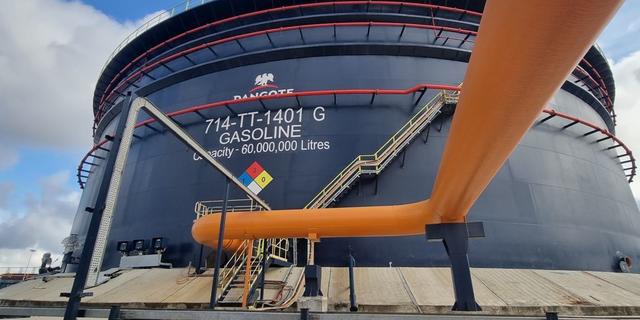
Dangote Petroleum Refinery has resumed gantry loading of petrol in local currency after a week-long suspension. The facility simultaneously increased its ex-depot price by N141 to N1215 per litre. The thirteen per cent price hike will immediately force filling stations to adjust pump rates upward across the country. Customer notices reveal that all outstanding, uncollected truck-loading volumes will adopt the new price immediately. The move ends brief supply disruptions caused by a short-lived attempt at dollar pricing. Yet motorists now face another wave of fuel inflation.
The refinery previously halted local truck sales to demand dollar settlements from domestic oil marketers. That abrupt policy shift forced desperate buyers toward private depots, pushing wholesale prices above one thousand three hundred naira. The temporary dollar regime created severe distribution bottlenecks across major urban centres. Coastal sales rates also climbed eleven per cent to over eleven hundred dollars per metric tonne. Reverting to naira transactions restores administrative clarity to local trade. However, the higher base price guarantees expensive fuel for everyday transport.
Reaction among distribution groups remains sharply split across the downstream sector. Independent Petroleum Marketers Association leaders welcomed the return to local currency transactions despite the higher entry cost. They noted that the new rate remains lower than the extortionate prices private depots demanded during the outage. Global crude price volatility following Middle East conflicts provided plausible cover for the pricing adjustment. Yet retail outlet owners warned that the increase exposes the dangerous market power of a single mega-supplier. Dominant refiners can shift pricing terms without real competitive resistance.
Market regulators continue to observe the situation from the sidelines. The Nigerian Midstream and Downstream Petroleum Regulatory Authority has failed to curb arbitrary pricing swings in the deregulated market. Antitrust officials have similarly done little to protect retail outlets from sudden corporate directives. Without real market competition or firm oversight, fuel buyers remain entirely subject to refinery choices. Distribution costs and transport markups will now push final pump prices even higher. Consumers will bear the full financial weight of this latest price shift.
Fuel costs directly drive food prices and general living expenses across Nigerian cities. Any increase at the refinery gate swiftly translates into higher transport fares within days. Commercial drivers will pass on their increased operational expenses straight to everyday commuters. Central bank targets for inflation control will face severe headwinds from these continuous energy price shocks. The government’s deregulated downstream vision offers little relief to citizens struggling with rising daily expenses. Industrial policy must balance private refinery profits against broader public economic stability.