
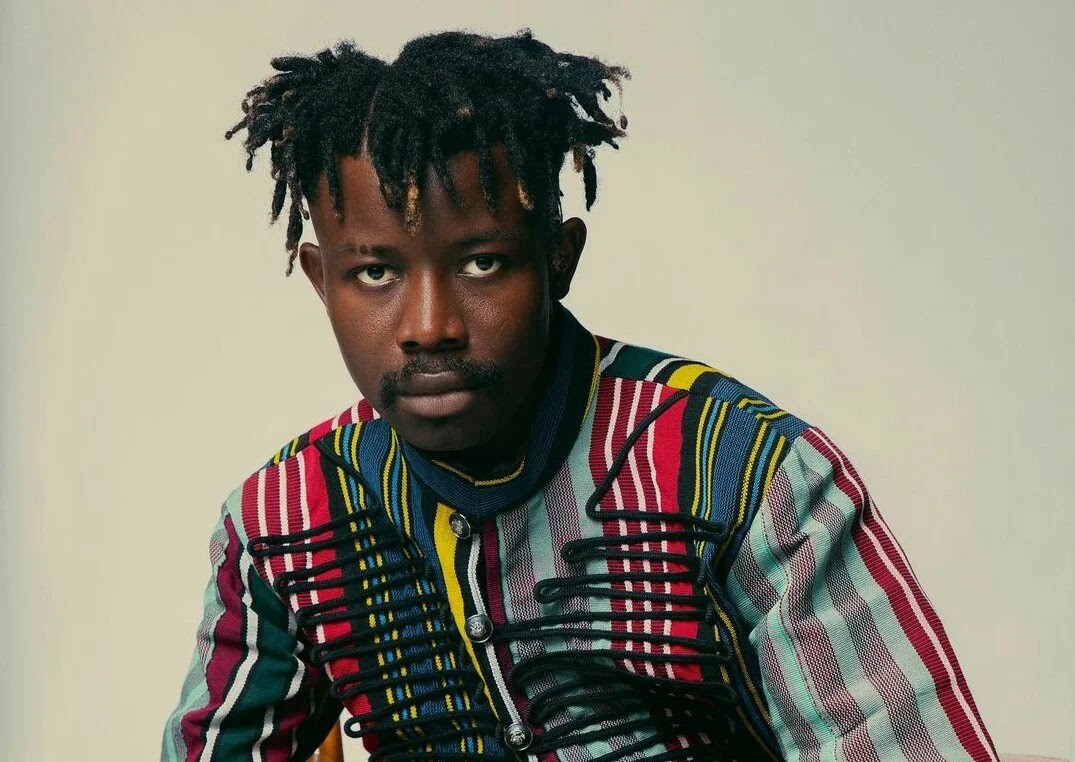
Music video director TG Omori has opened up about his battle with kidney failure, revealing the financial burden of dialysis and the failed kidney transplant that followed months of searching for a donor.
Nigerian music video director ThankGod Omori, popularly known as TG Omori, has opened up about his battle with kidney failure and the financial strain of managing the condition. Speaking on a podcast, Omori said he spent more than six months hospitalised at a facility in Ikoyi, Lagos, while undergoing treatment.
The director said only a small circle of colleagues, including Olamide, Fireboy DML, Asake, Rema, Young Jonn and Zlatan, knew about his condition at the time. According to Omori, finding a suitable kidney donor took about nine months. He said six people initially volunteered to donate, but compatibility issues prevented the procedure from going ahead with them.
He eventually received a kidney donation from his brother. However, Omori said his body rejected the transplanted organ. He added that doctors made another attempt, but the kidney still failed to function, leaving his brother with one kidney.
Speaking about the financial demands of treatment, Omori said dialysis at standard hospitals could cost between N50,000 and N70,000 per session, while treatment at the private facility where he received care cost between N150,000 and N200,000 per session.
With patients potentially requiring three dialysis sessions each week, he estimated that the weekly cost could reach between N500,000 and N600,000. “Money is actually important because I can’t lie to you, we’ve spent a lot of crazy money,” Omori said.
He estimated that maintaining dialysis treatment while waiting for a transplant for a year could cost about N31 million, excluding other expenses such as medication, tests and possible complications. Omori said his experience had changed his understanding of money and survival, arguing that financial resources can determine how long a person is able to continue receiving treatment.
“You have to actually have money — not just money, you have to have people that have money to also support you,” he said. Reflecting on the experience, the director added, “Even though money can’t buy happiness, money can still buy some time.”
Omori’s comments come after he previously spoke publicly about his health struggles and the challenges he faced during his period of treatment. He has also recently raised concerns about the cost of producing music videos in Lagos, including alleged extortion by groups of youths at filming locations.