
Reps Order DISCOs to Refund N55bn Metering Loan
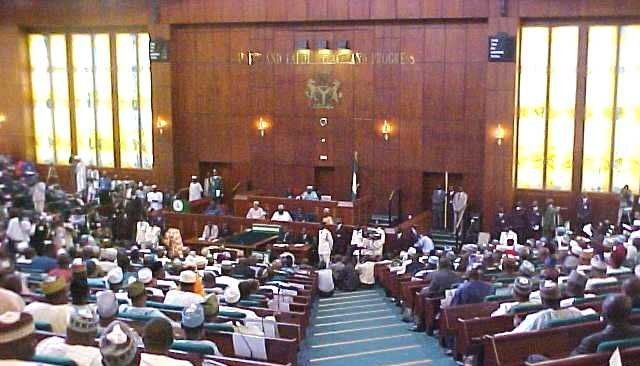
Nigeria’s House of Representatives has lost patience with the country’s electricity distribution companies. Lawmakers directed eleven DISCOs on Thursday to refund ₦55.42 billion to the Central Bank of Nigeria. The money was originally a loan under the National Mass Metering Programme to fix a broken billing system. That programme began in 2020 but has failed to meet its basic targets. Most Nigerians still suffer under the guesswork of estimated billing. The House wants the full sum returned within seven months.
The failed scheme intended to bridge the vast gap in household metering. It aimed to support local manufacturers and cut the heavy technical losses plaguing the grid. The Central Bank earmarked ₦59.28 billion for the project at a nine per cent interest rate. While the DISCOs took the bulk of the cash, ₦3.85 billion remains entirely unaccounted for. This missing sum highlights the poor oversight that defines the power sector. Abuja, Eko, Enugu, and several other regional distributors now face a frantic repayment schedule.
Uchenna Okonkwo, who chaired the investigative committee, found the programme’s execution deeply flawed. He noted that the three-phase plan stalled before it could provide any real relief to consumers. His report suggests the DISCOs took the liquidity but failed to deliver the hardware. The House now demands a special recovery committee to claw back the funds. This joint body will include officials from the Central Bank and the electricity regulator. They must finish their work before the start of 2026.
Questions also hang over the middlemen involved in the transaction. Meristem Wealth Management secured a deal to take 0.5 per cent of all DISCO collections until 2030. The firm has already pocketed ₦450 million for its role in the scheme. Lawmakers expressed sharp criticism of this arrangement and demanded to see the company’s profile. They want a detailed report on exactly what work justifies such a long-term claim on power revenues. Such opaque consultancy fees often drain the life out of public-private partnerships.
The power sector remains the weakest link in the Nigerian economy. Despite various interventions and billions in bailouts, the lights rarely stay on. Metering is the only way to ensure customers pay for what they actually use. Without meters, DISCOs rely on arbitrary charges that frustrate the public and discourage payment. This latest failure shows that throwing cheap credit at the problem does not work. Capital without accountability simply disappears into the balance sheets of failing utilities.
Government regulators must now prove they have teeth. Setting a seven-month deadline is an ambitious move for a legislature that usually moves slowly. If the DISCOs cannot pay, the sector faces yet another liquidity crisis. The Central Bank cannot afford to let such a large sum sit on the books as a bad debt. Recovering this money is about more than just the treasury. It is about whether the state can force private monopolies to keep their promises.