
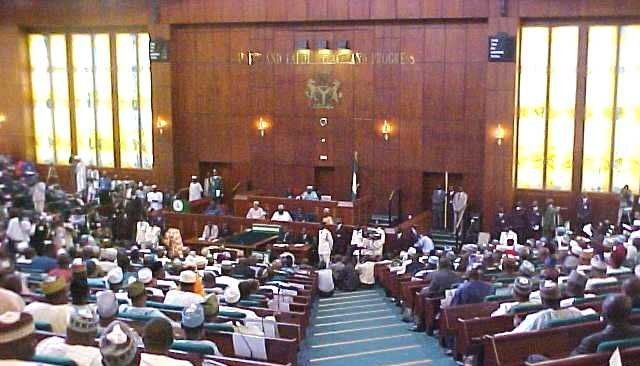
The House of Representatives has launched an investigation into the persistent casualties and property losses suffered by Nigerians living in South Africa. Lawmakers resolved on Wednesday to audit the assets abandoned by over 3,500 citizens evacuated during recent and past xenophobic attacks. Motion sponsor Babajimi Benson warned that lawful Nigerian residents have faced targeted violence in South Africa for nearly two decades. The legislative probe seeks to quantify the total financial ruin inflicted on the diaspora. Federal lawmakers finally lost their patience with Pretoria.
The House instructed its foreign affairs and diaspora committees to formulate concrete diplomatic and legal countermeasures against the South African government. Lawmakers want state administrators to demand strict judicial sanctions for foreign perpetrators of anti-Nigerian hate crimes. The legislative mandate also demands stronger bilateral mechanisms to guarantee the physical protection of citizens remaining in the country. Nigerian parliamentarians insist Pretoria must honour its binding international human rights obligations. Federal patience has worn entirely thin.
The parliamentary initiative highlights deep historical ironies in the troubled diplomatic relationship between both African nations. Nigeria served as a primary architect of South African liberation, committing vast state financial and political capital to dismantle Apartheid. Despite this immense historic sacrifice, South African locals regularly target Nigerian immigrants and small business owners with impunity. Foreign trade ventures and domestic shops owned by Nigerians face constant arson, looting, and mob destruction. Decades of diplomatic solidarity yielded very little gratitude.
Successive administrations in Abuja have struggled to convert past moral authority into tangible diplomatic leverage over Pretoria. Bilateral accords and solemn pledges by South African police chiefs have repeatedly failed to halt sporadic violence in township communities. The ongoing operational failure of South African law enforcement leaves thousands of foreign nationals permanently vulnerable to mob justice. Federal evacuations offer temporary emergency relief but fail to secure long-term reparations for destroyed commercial livelihoods. Evacuations merely cover up policy failure.
The legislative audit aims to create an official legal ledger of destroyed property to support institutional compensation claims against Pretoria. Parliamentary leaders intend to present the final financial inventory directly to international human rights bodies if bilateral talks stall. The House also expects federal diplomats to pressure South African authorities into overhauling their domestic border and policing strategies. Nigerian officials can no longer accept passive assurances while their citizens suffer systematic economic displacement. Words will no longer substitute for state action.
The mounting diplomatic friction threatens broader economic cooperation between the two largest economies on the continent. Major South African corporate entities continue to generate massive untroubled profits within the vast Nigerian consumer market. Federal lawmakers hinted that future bilateral trade privileges could depend on how effectively Pretoria protects Nigerian lives and investments. The state possesses substantial economic levers if it chooses to deploy them assertively. Passive foreign policy has officially reached its expiration date.