
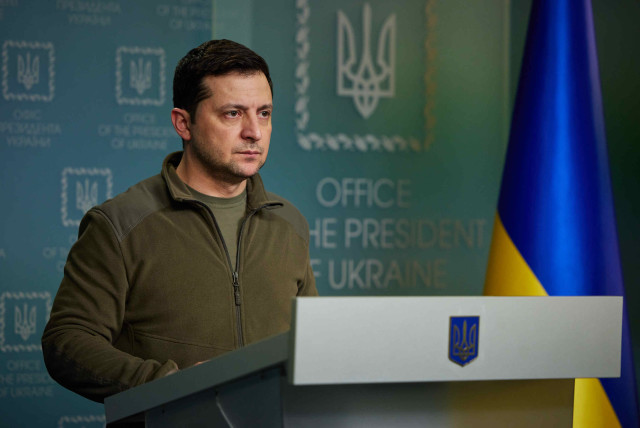
Russian missiles and jet-powered drones struck a Ukrainian gas production site, a petrol station, and residential districts in Kharkiv overnight into Monday, 12 October, killing several civilians and wounding dozens more. The deadly bombardment instantly shredded an energy ceasefire that United States President Donald Trump had unilaterally declared days earlier to curb surging global fuel prices ahead of American midterm elections. Paper truces stop no drones. Ukrainian President Volodymyr Zelensky told a diplomatic forum in Warsaw that his forces held back attacks on Russian refineries overnight in good faith, only for Moscow to bombard Ukrainian power assets within hours of the American announcement.
Mr Trump blindsided Kyiv and European allies by proclaiming this mutual halt to infrastructure attacks while simultaneously cutting a deal to buy Russian diesel and urging Ukrainian voters to unseat Mr Zelensky. The White House cares more about domestic pump prices than European security. To enforce this lopsided arrangement, Washington threatened to halt intelligence sharing and block European purchases of American arms for Kyiv if Ukrainian units continue striking Russian oil hubs.
European leaders rejected Mr Trump’s unilateral diplomacy by approving the bloc’s largest sanctions package against Moscow since the 2022 invasion. European Union foreign policy chief Kaja Kallas dismissed narrow energy arrangements that ignore the daily slaughter of Ukrainian families, while German Chancellor Friedrich Merz insisted that Western allies must tighten penalties until the Kremlin feels genuine economic pain. Real pressure requires shared sacrifice. While European foreign ministers met in Luxembourg to shut off trade with Moscow, Washington moved in the opposite direction by buying Russian fuel to ease its own transport costs.
The Kremlin treated the White House’s sudden declarations with icy condescension, refusing to endorse the ceasefire while pursuing its primary military objectives. Kremlin spokesman Dmitry Peskov confirmed ongoing discussions but rejected Mr Zelensky’s offer of a sixty-day truce to hold national elections, asserting that Moscow demands comprehensive political surrender rather than temporary tactical pauses. Conquerors never accept partial terms. By launching deadly strikes across Kharkiv and Ivano-Frankivsk while talking about peace, Vladimir Putin demonstrated that he views American diplomatic intervention as a sign of Western weakness rather than a reason to halt his war.
The rapid collapse of Mr Trump’s informal truce reveals the danger of managing foreign wars through hurried press releases and electoral panic. Washington handed Moscow fresh leverage by trying to freeze battlefield strikes without creating verification systems or providing air defence guarantees for vulnerable Ukrainian cities. Hasty political fixes always backfire. Until the White House aligns its diplomacy with its allies on the ground, Russian missiles will continue to wreck civilian infrastructure and leave millions of freezing Ukrainians to pay the bill for foreign political ambition.