
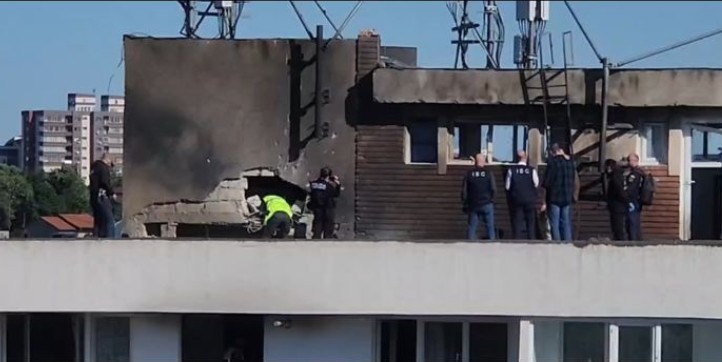
Russian aerial strikes obliterated a humanitarian distribution hub in southern Ukraine on 2 November 2026, killing at least 26 civilians and destroying hopes for a wider regional truce. Nine guided aerial bombs slammed into a former school used as an aid delivery centre in the village of Komyshuvakha in Zaporizhzhia. Russian forces launched a second strike on a shelter where residents fled for cover, crushing dozens beneath the rubble.
The attack ended a six-day localised truce in neighbouring Kherson that allowed humanitarian evacuations from occupied territory. Ukrainian officials stated Moscow refused requests to extend the ceasefire. President Volodymyr Zelensky condemned the bombardment, stating the Kremlin intentionally targeted civilians collecting food supplies.
Russian forces launched additional drone and missile strikes overnight against energy facilities and regional hospitals. Ukrainian authorities reported 73 wounded in Kharkiv after Russian munitions hit a cardiology ward. Emergency teams in Zaporizhzhia continue search operations for 27 missing residents trapped under collapsed concrete.
The military escalation occurred days before scheduled trilateral peace negotiations mediated by the United States. Representatives from Kyiv, Moscow, and Washington prepare to meet in Abu Dhabi on 10 November. Diplomatic sources express concern that fresh Russian offensives aim to secure battlefield advantage before talks begin.
European military leaders responded by announcing joint training exercises in Poland involving 2,800 troops. British and French commanders will coordinate multinational operations to strengthen NATO eastern flank defences. The United States separately approved a 2.1 billion-dollar Patriot missile transfer to reinforce Ukrainian air defence networks.
Airstrikes on civilian infrastructure undermine peace efforts and worsen the humanitarian crisis across southern Ukraine. Moscow continues to rely on heavy bombardment despite international calls for de-escalation. Durable peace remains distant while military forces strike non-combatants collecting basic aid.