
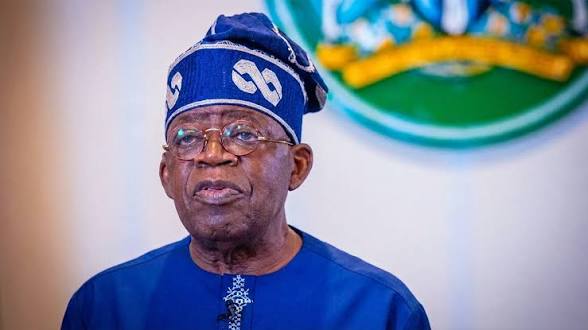
President Bola Tinubu has congratulated the armed forces following a breakthrough in the domestic security campaign. Military operatives have killed a notorious bandit leader responsible for terrorising communities across north-central Nigeria. The successful strike team also secured the release of a high-profile kidnap victim during the same operational push. This dual breakthrough offers a rare moment of tactical triumph for an administration facing intense pressure over persistent insecurity.
Troops eliminated the armed syndicate leader, Kachalla Bastuji, during a targeted offensive in Kogi State. The neutralized kingpin had long directed violent raids and mass abductions across the region. Security analysts view his removal as a severe blow to the operational capacity of regional terror networks. The presidency described the outcome as a decisive milestone in reclaiming state territory from criminal cartels.
The military operation also yielded the safe rescue of Hajiya Amina Rabe Abubakar. The rescued victim is the widow of the late General Rabe Abubakar, a former Chief of Defence Information. Armed men had held her captive following a targeted abduction that triggered widespread outrage within military circles. Her successful recovery without harm highlights a significant improvement in tactical intelligence coordination.
A formal statement from the presidency praised the courage and precision of the combat deployment. Presidential spokesman Bayo Onanuga conveyed the commander-in-chief’s gratitude to the field officers on Tuesday. The administration insists that criminals will find no permanent hiding place within the country. This official rhetoric aims to reassure a skeptical public weary of constant security promises.
The presidency promised sustained material support to maintain this offensive momentum. The federal government pledges to supply the armed forces with superior weaponry and modern tracking technology. Increased funding alone, however, cannot completely fix deep-seated structural issues within the wider security architecture. True territorial control requires permanent military presence in rural border areas, not just sporadic raids.
The executive continues to urge closer cooperation between rural communities and state intelligence agencies. Local information remains vital for tracking mobile criminal gangs operating along state boundaries. Security officials hope this latest victory will encourage citizens to report suspicious movements to the police. For now, the administration enjoys a reprieve from its relentless security critics.