
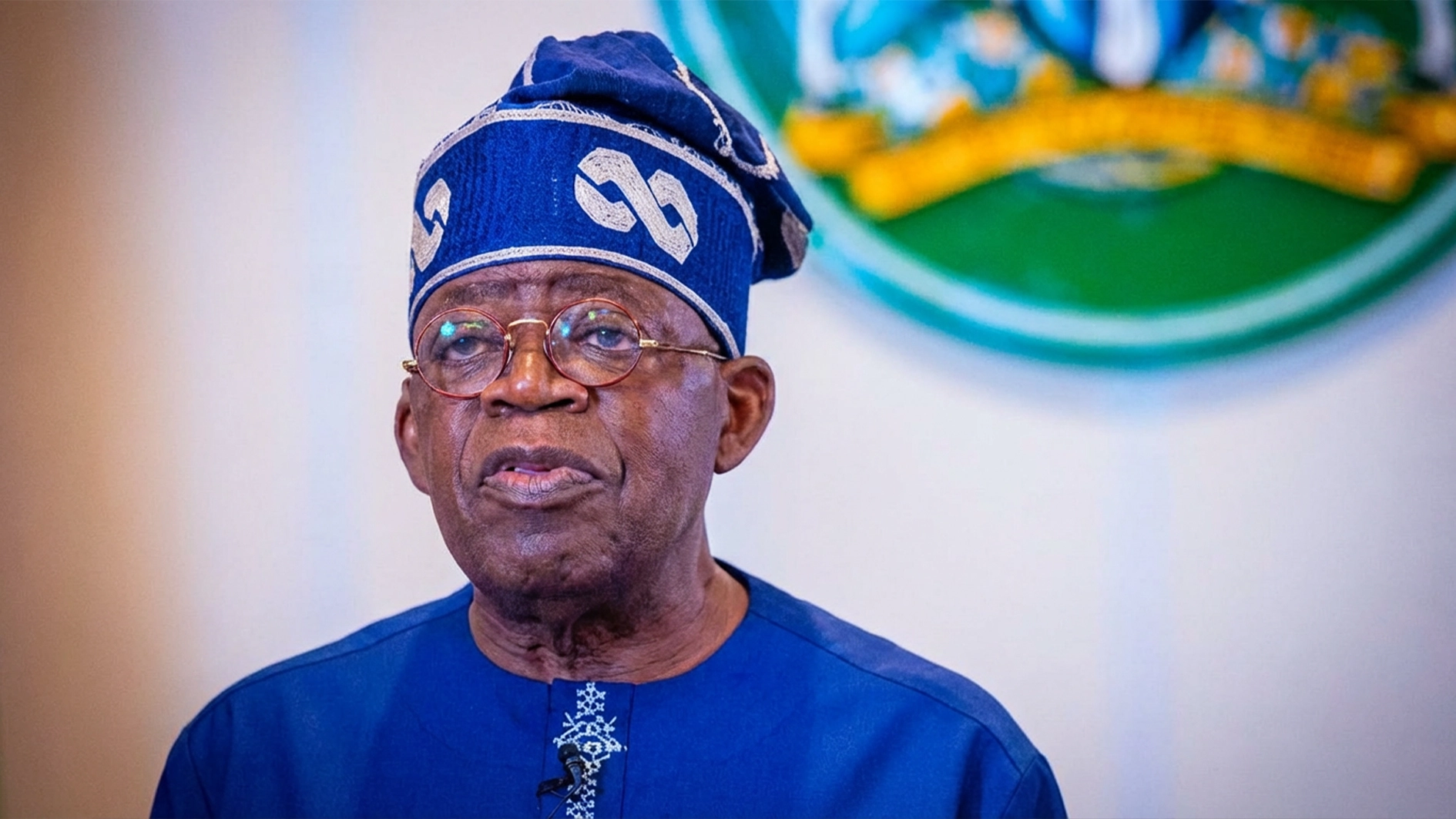
President Bola Tinubu will take the rostrum at the United Nations General Assembly in New York on Wednesday, 23 September 2026, marking his return to the world body’s principal diplomatic theatre. The Nigerian head of state will speak as the tenth speaker during the morning session on the second day of the high-level General Debate. The annual gathering, running from 22 to 28 September at the UN headquarters, draws over 150 heads of state and government alongside dozens of ministerial delegations. Brazil’s President Luiz Inácio Lula da Silva will open proceedings on 22 September in line with long-standing assembly custom. United States President Donald Trump will follow immediately as the host nation leader. Bangladeshi diplomat Khalilur Rahman will preside over the 81st session under the theme of restoring trust and managing global transformation. World leaders gather while international institutions buckle under severe geopolitical friction. Big multilateral speeches rarely resolve domestic economic strain.
The New York appearance gives the administration a prominent stage to pitch its painful domestic economic policies to international lenders. Presidential advisers intend to present Nigeria as an open, competitive destination for foreign direct capital. The pitch follows the controversial removal of fuel subsidies and the floating of the local currency. Foreign investment boards want evidence of stable domestic markets before committing capital to long-term projects. Inflationary pressures continue to squeeze urban consumers across Lagos and Abuja. Tinubu will urge Western development financiers to swap crippling debt burdens for productive capital investments. Grand diplomatic appeals face cold scrutiny from private bondholders. High sovereign yields reveal investor wariness abroad.
Regional insecurity will dominate Tinubu’s meetings with foreign heads of state in Manhattan. Nigeria’s Permanent Representative to the UN, Jimoh Ibrahim, confirmed that the president will lead high-level discussions on West African border policing. Porous desert borders across the Sahel allow armed bands to move firearms, stolen goods, and narcotics with ease. The ambush of an electoral convoy in Borno this week showed that insurgent cells still hold striking power along northern frontier corridors. The Economic Community of West African States remains fractured following the military walkouts in Niger, Mali, and Burkina Faso. Tinubu needs concrete logistical support from international partners rather than vague declarations of solidarity. Broken regional treaties cannot police unguarded bush trails. Western governments rarely fund African border patrols without political strings attached.
The Nigerian president will also attend major climate action summits and environmental side panels during the assembly week. Developing nations face rising coastal tides, desertification, and deadly flash floods without adequate international adaptation grants. The Nigerian delegation plans to press wealthy industrial economies to honour their historical climate finance pledges. The Nigerian Exchange Group began baseline corporate carbon audits this week to unlock European green financing. Africa produces a tiny fraction of global emissions while suffering severe climatic shocks. Demanding carbon cuts from emerging economies without cheap green technology transfers creates deep economic resentment. Green pledges sound noble in Manhattan conference rooms. Clean energy requires massive physical investments in dirt and steel.
The bilateral calendar in New York features pivotal farewell discussions with the top leadership of the United Nations secretariat. Tinubu will hold formal talks with outgoing UN Secretary-General António Guterres, who concludes his second five-year tenure on 31 December 2026. The president will also meet Deputy Secretary-General Amina Mohammed, the highest-ranking African official at the world body since 2017. Nigerian diplomats want to preserve the country’s strategic standing inside the UN bureaucracy as senior personnel transitions take shape. The delegation will push for permanent African representation on the UN Security Council, backed by the recent General Assembly vote adopting the Equal Earth map projection. Changing institutional power dynamics requires votes rather than visual map corrections. Permanent seats on the council remain an exclusive club for post-war powers.
Diplomatic desks in Abuja are working to arrange a high-stakes bilateral meeting between Tinubu and Donald Trump on the sidelines of the assembly. Relations between Washington and African capitals remain testy amid escalating American military strikes in the Middle East. The White House pursues a transactional foreign policy that questions foreign aid and international development subsidies. Tinubu must explain how Nigeria’s market reforms align with American trade interests across the Atlantic basin. Securing trade concessions and security hardware deals will require direct, tough bargaining with the American administration. The meeting will test Tinubu’s capacity to win real economic benefits from an unpredictable American partner. Personal diplomacy carries high risks when national interests clash. Cold transactions define modern statecraft.
The General Assembly provides a brief respite from the harsh economic realities confronting the presidency at home. Nigerian manufacturers face borrowing costs above thirty-five per cent, while the national fuel bill crossed eleven trillion naira in seven months. Citizens care far more about the retail price of rice and petrol than applause lines in a UN debate. The administration must convert its foreign policy visibility into real, tangible trade inflows that create local jobs. If the New York summit yields only communiqués and photo sessions, the domestic public will dismiss the trip as an expensive political junket. Eloquent speeches in Manhattan cannot feed hungry families in Ibadan. The ultimate test of foreign diplomacy lies in domestic prosperity. Real power begins at home.